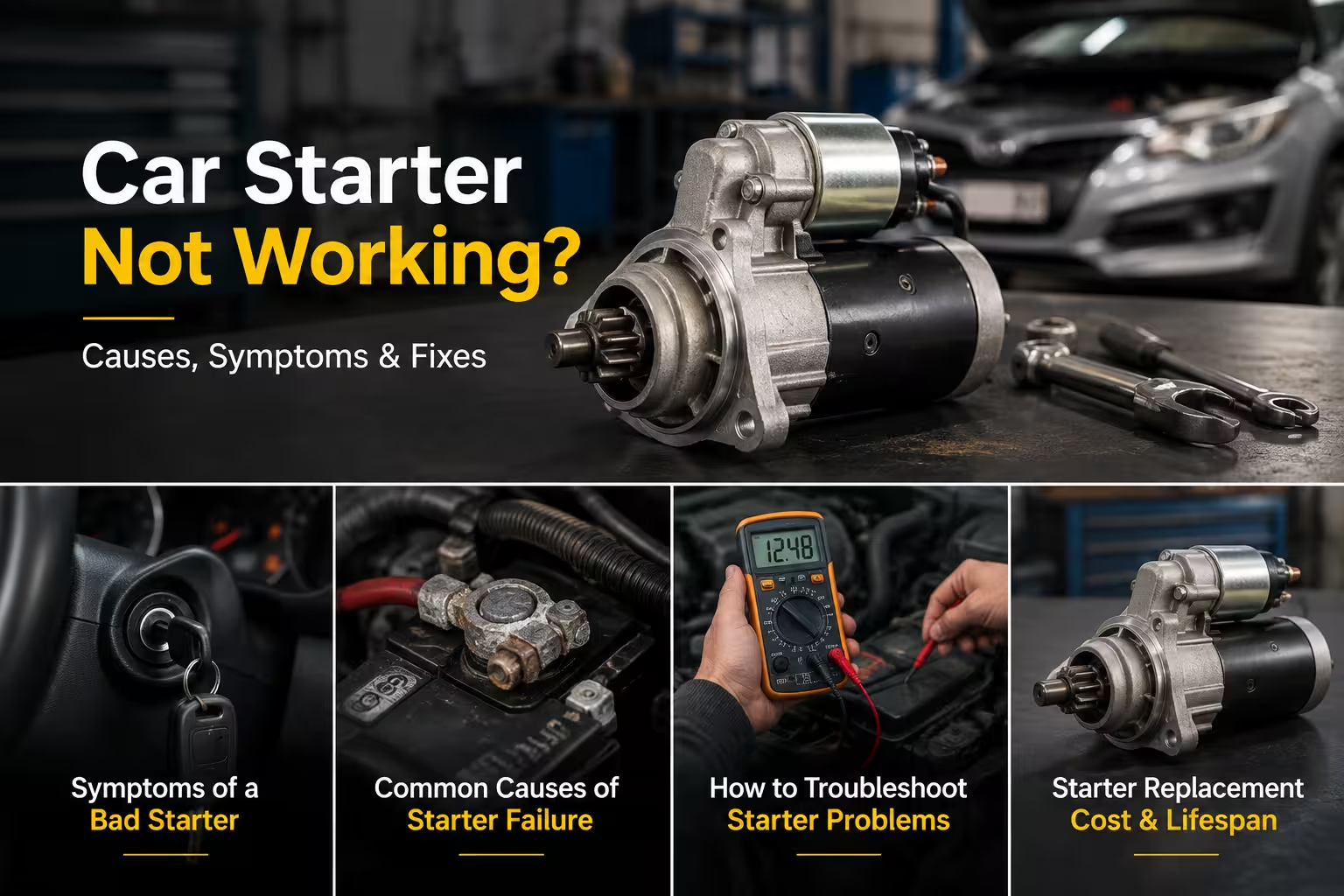
What Causes a Car Starter to Fail? Common Causes, Signs, and Fixes

If your car will not start, the starter is one possible cause, but it is not the only one. A weak battery, corroded cable, bad relay, or ignition fault can create the same complaint. This guide explains what causes a car starter to fail, how to separate starter trouble from battery trouble, and which checks you can safely do before paying for repairs.
Quick Summary
A starter usually fails because its motor, solenoid, wiring, or gears wear out, overheat, or lose a clean electrical connection. Clicking, grinding, slow cranking, or silence can point to a bad starter, but battery voltage and cable condition must be checked first. A correct diagnosis prevents replacing a good part.
Vehicle fit: These checks apply to most 12-volt gasoline and diesel cars, trucks, and SUVs with a conventional starter motor. Start-stop systems, hybrids, and luxury vehicles may use different controls, so follow the vehicle service manual before testing a starter circuit.
What Does the Starter Motor Do?
The starter motor turns the engine until combustion can keep it running on its own. When you turn the key or press the start button, the ignition circuit sends current through a relay or control module to the starter solenoid. The solenoid connects battery power and moves the starter pinion toward the flywheel.
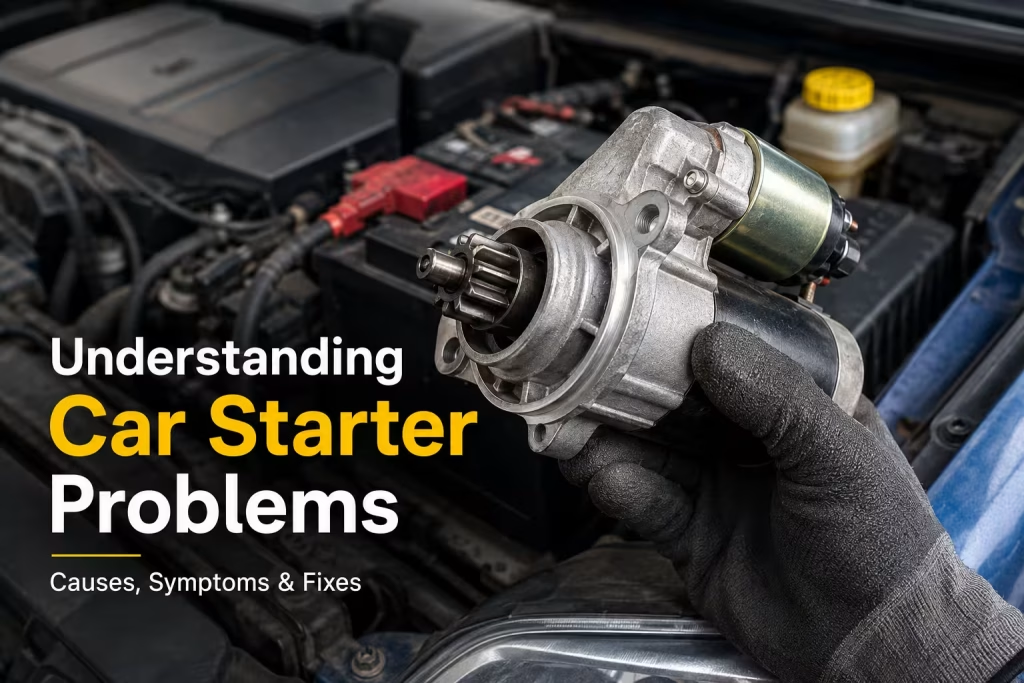
The assembly contains a high-current electric motor, solenoid, drive gear, and internal brushes or contacts. If any part loses power or wears out, the engine may not crank. That is why a car can have working lights and accessories yet still refuse to start.
What Are the Common Causes of a Car Starter Failing?
The common causes of starter failure are worn internal contacts, a weak electrical connection, heat, oil contamination, and gear damage. A faulty starter solenoid can stop current from reaching the motor, while corroded terminals or a bad relay can mimic the same fault. The repair depends on which part failed.
| Cause | What happens | Typical clue |
|---|---|---|
| Worn brushes or contacts | The motor receives power intermittently or not at all. | Intermittent starting or one click |
| Faulty starter solenoid | The plunger does not connect battery power or engage the gear. | Click with no crank |
| Loose or corroded wiring | Electrical current cannot travel from the battery to the starter. | Random no-start condition |
| Weak battery | There is not enough current to turn the starter motor. | Rapid clicking or dim lights |
| Heat or oil exposure | Internal parts overheat, bind, or become contaminated. | Failure after a hot drive |
| Damaged drive gear | The starter pinion cannot mesh smoothly with the flywheel. | Grinding noise |
A battery problem is often blamed on the starter because both faults appear when you turn the key. Check the battery and connections before condemning the starter. If the engine runs poorly after a weak battery event, review this guide to weak battery symptoms for useful context.
What Are the Symptoms of a Bad Car Starter?
Common bad starter symptoms include a single click, no crank with bright dashboard lights, slow or uneven cranking, a grinding noise, or an intermittent start. Repair guidance notes that a single click with bright dashboard lights can indicate a starter problem. The sound and timing of the symptom help narrow the fault.
- One solid click: The solenoid may engage, but the motor may not turn.
- Rapid clicking: A weak battery or poor battery connection is more likely.
- Grinding: The pinion gear may not engage the flywheel correctly. Stop repeated attempts to avoid more damage.
- Whirring without cranking: The starter motor spins, but its drive gear may not connect with the flywheel.
- No sound: The fault may be the starter relay, ignition switch, neutral safety switch, wiring, or the starter itself.
- Intermittent starting: Worn contacts or a loose connection can work one time and fail the next.
For a sound-focused comparison, see what a bad starter can sound like. Do not keep turning the key when you hear grinding or burning smells.
What Can Be Mistaken for a Bad Starter?
A weak battery, corroded battery terminals, damaged battery cables, bad starter relay, ignition switch fault, or neutral safety switch can look like a bad starter. The engine may not crank even though the starter is healthy. Testing voltage, connections, and control signals first is the fastest way to avoid a wrong replacement.
| Possible fault | Clue that separates it from a starter |
|---|---|
| Weak or dead battery | Lights dim, rapid clicking, or the car starts with a proper jump. |
| Corroded terminals | White or green buildup, loose clamps, or heat at a cable end. |
| Bad starter relay or fuse | No power reaches the solenoid control side. |
| Ignition switch | The start signal is missing when you turn the key. |
| Neutral safety switch | The car may start in Neutral but not Park, or the reverse lights may act oddly. |
| Fuel or ignition fault | The engine cranks at normal speed but does not fire. |
Remember the difference between crank and start. If the engine turns but does not run, the starter is doing its main job and another system needs attention. If the engine does not turn at all, focus on the battery, cables, control circuit, and starter system. A related guide on battery failure while driving can help separate charging problems from starting problems.
How Do You Troubleshoot Starter Problems?
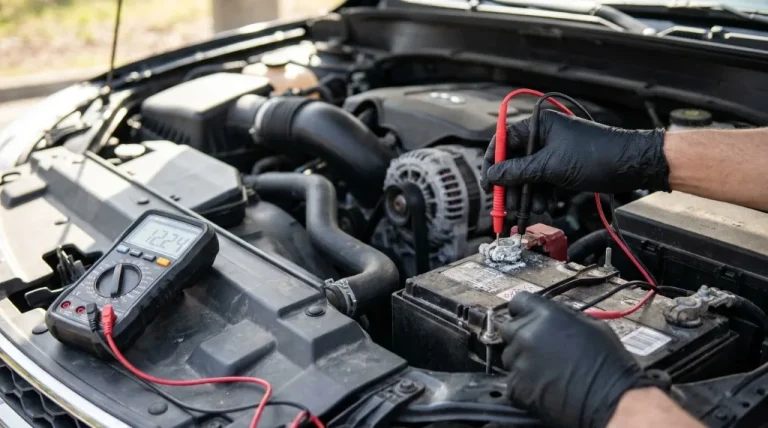
You can troubleshoot a starter problem with a flashlight, safety glasses, a multimeter, and basic hand tools. Begin with the battery and cable connections, then check for a start signal at the solenoid. Only test the starter circuit with the transmission secured in Park or Neutral and the parking brake applied.
- Inspect the battery terminals and ground cable for corrosion, looseness, or damage.
- Turn on the headlights and observe whether they become very dim when you try to start the car.
- Measure battery voltage with the vehicle off, then compare the reading with the service manual specification.
- Listen for a click, rapid clicks, grinding, or complete silence.
- Check the starter fuse and relay if the solenoid receives no control signal.
- Test voltage at the starter during a start request only if you can do so safely.
- Stop if a cable becomes hot, smoke appears, or the starter stays engaged.
A professional can perform a voltage-drop test and bench-test the starter assembly. These tests show whether power is lost in the wiring or inside the motor. Avoid shorting terminals with a tool unless the service manual gives a safe procedure for your exact vehicle.
Can You Jumpstart a Car With a Bad Starter?
A jumpstart can help only when a weak battery or poor battery charge is the real cause. It usually cannot repair a failed starter motor, seized gear, or broken solenoid. If the car still will not crank after a correct jump attempt and the lights stay bright, stop repeating the attempt and arrange a diagnosis.
If the engine cranks normally after the jump but the vehicle soon dies, the charging system may be involved. A jumpstart can also hide a loose connection for a short time. Treat it as a test, not a repair, and keep the vehicle away from traffic while checking it.
Can You Still Drive a Car With a Bad Starter?
You normally cannot drive a car with a bad starter because the starter is needed before the engine can run. If the engine is already running, the vehicle may move normally until you switch it off, but restarting may fail. That can leave you stranded at a shop, fuel station, or unsafe roadside location.
Do not turn off a vehicle in a risky place just to test whether it will restart. If it is running safely, go directly to a repair facility or call for roadside help. A car that keeps running does not prove the starter is healthy.
What Does Starter Replacement Cost?
Starter replacement commonly costs about $300 to $800, including parts and labor, although the actual bill depends on the vehicle, starter design, access, and local labor rate. AAA lists this broad range for many vehicles. A diagnosis may cost less than replacing the starter, so confirm the failed part before approving work.
| Repair choice | When it makes sense | Cost direction |
|---|---|---|
| Clean or repair a connection | The starter tests good but a cable or terminal is faulty. | Lowest |
| Replace a relay or fuse | The control circuit has a failed switching part. | Low to moderate |
| Replace the starter | The motor, solenoid, or drive gear fails testing. | Moderate to high |
| Repair related damage | Grinding has damaged the flywheel or mounting area. | Highest |
Ask the mechanic whether the quote includes a new or remanufactured starter, labor, a warranty, taxes, and a battery or charging-system test. Some vehicles place the starter under the intake or near hot exhaust parts, which increases labor time.
How Often Does a Car Starter Need to Be Replaced?
A car starter does not have a fixed replacement schedule because use, heat, electrical condition, and vehicle design affect its life. A starter may last 100,000 to 150,000 miles, but an older unit can fail sooner. Replace it when testing confirms a fault, not simply because the odometer reaches a number.
Frequent short trips, repeated start attempts, weak battery voltage, oil leaks, and poor grounds can increase stress. Keep repair records and pay attention to intermittent starting. A starter that works after several attempts is still a starting issue that deserves attention.
How Can You Prevent Starter Motor Issues?
You can reduce starter motor issues by keeping the battery charged, cleaning terminals, repairing weak grounds, fixing oil leaks, and avoiding long periods of cranking. Good battery maintenance protects the high-current starter circuit. Check the charging system when battery problems repeat, because low charging output can create more starting failures.
- Clean corrosion from battery terminals and tighten the clamps.
- Inspect the engine ground strap and positive cable for damage.
- Do not hold the key in the start position after the engine fires.
- Pause between start attempts so the motor can cool.
- Repair oil or coolant leaks near the starter.
- Test the battery before cold weather or a long trip.
If electrical accessories are draining the battery while parked, read about how long a battery lasts with the radio on. You can also review whether a vehicle can run without a battery to understand why charging-system faults matter. The goal is to find the drain before it repeatedly weakens the starter system.
When Should You Call a Mechanic?
Call a mechanic when the car gives repeated no-crank symptoms, the starter grinds, a cable becomes hot, smoke appears, or the vehicle fails after battery and connection checks. Professional testing is also the safer choice when access is tight or the starter sits near exhaust parts. Do not risk an accidental short or unexpected movement.
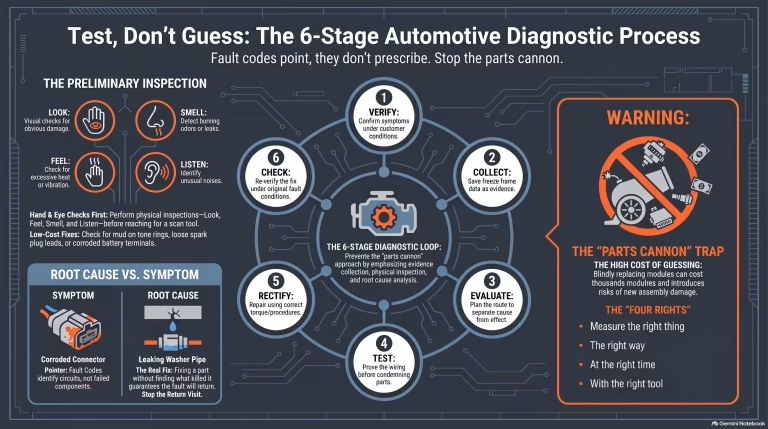
Bring the mechanic a clear symptom report. Note whether the engine cranks, which sound you hear, whether the lights dim, and whether the problem changes in Park or Neutral. This information can shorten diagnosis and prevent a parts-swapping repair.
Frequently Asked Questions
Most starter questions come down to three checks: does the engine crank, does the battery supply enough current, and does the starter receive the start signal? The answers separate a bad starter from a battery, relay, wiring, fuel, or ignition problem. Use the symptoms below as a guide, not as a substitute for testing.
How much will it cost to fix a car starter?
Many starter replacements fall within the $300 to $800 range, but your vehicle and labor rate control the final price. A cable, relay, or terminal repair can cost much less. Request a written diagnosis that names the failed part and confirms whether the quote includes the starter, labor, and warranty.
What can be mistaken for a bad starter?
A weak battery, corroded terminal, damaged ground, bad relay, blown fuse, ignition switch, or neutral safety switch can cause a no-crank condition. If the engine cranks at normal speed but will not run, investigate fuel or ignition instead. Test the battery and connections before replacing the starter.
Can you still drive a car with a bad starter?
Not normally. The engine may keep running after it starts, but the vehicle may not restart after you turn it off. Drive only to a safe repair location if the car is already running reliably, and avoid shutting it down in traffic or another unsafe area.
Can a bad starter cause slow cranking?
Yes, a worn starter motor, internal drag, or poor high-current connection can cause slow cranking. A weak battery can create the same symptom, especially in cold weather. Compare battery condition, cable voltage drop, and starter current draw before deciding which part needs replacement.
What happens if you do not repair a failing starter?
The problem can become an intermittent no-start, leaving you stranded without warning. Grinding can also damage the flywheel, and repeated start attempts can overheat cables or the starter. Repair the cause early when symptoms are repeatable, especially if the vehicle is used for work or long trips.
Conclusion
What causes a car starter to fail is usually wear, heat, contamination, gear damage, or lost electrical power. The best diagnosis starts with the battery, terminals, cables, relay, and start signal before testing the starter motor. If you hear grinding, smell burning, or face repeated no-starts, stop guessing and get a safe professional check.