
Automotive Mechanical Database
Factory Brake Pad Size & Rotor Torque Directory
Instant OEM FMSI brake pad shapes, rotor minimum discard limits, caliper slide pin & bracket bolt torque specs, and EPB service procedures across 393 vehicle platforms (2000 to 2026).
Featured Vehicle Brake Specifications Quick Lookup
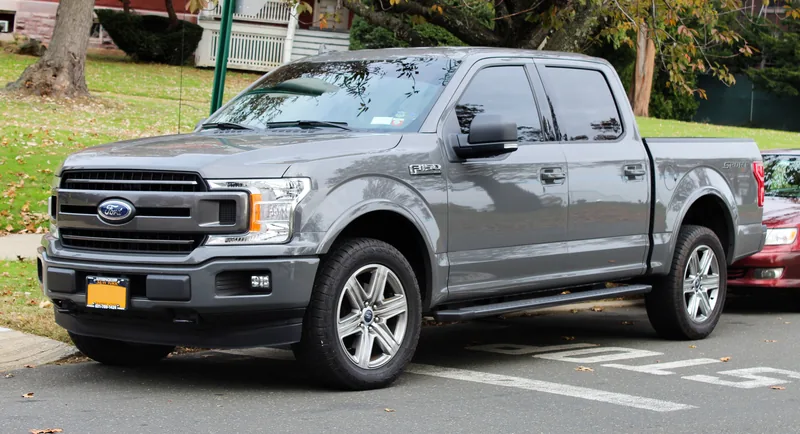 Full-Size Truck Leader
2024 Ford F-150
Front Pad: D1414
Rotor Discard: 30 mm
Slide Pin: 27 ft-lb
Bracket: 136 ft-lb
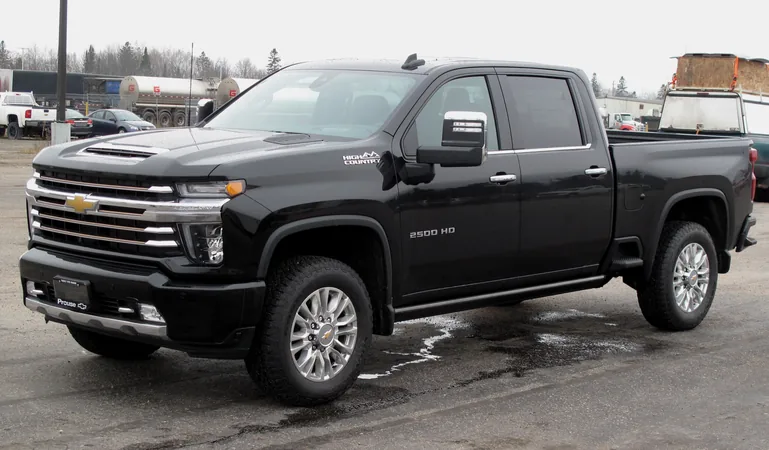 Heavy-Duty Workhorse
2024 Chevrolet Silverado 1500
Front Pad: D1084
Rotor Discard: 30 mm
Slide Pin: 30 ft-lb
Bracket: 105 ft-lb
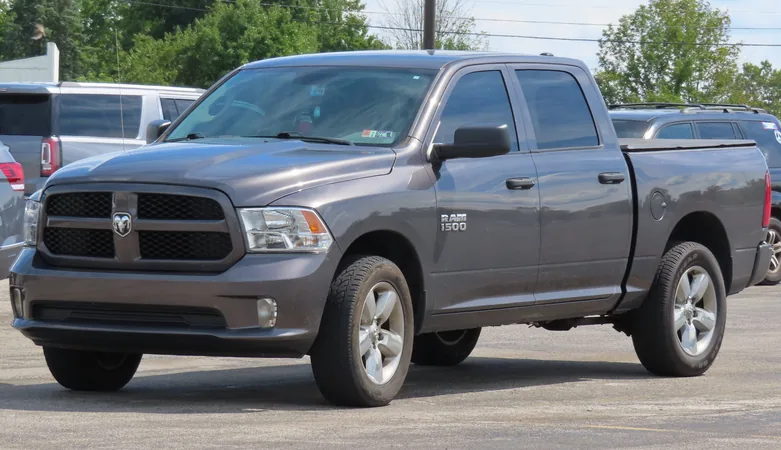 High-Tow Half-Ton
2024 RAM 1500
Front Pad: D1084
Rotor Discard: 30 mm
Slide Pin: 30 ft-lb
Bracket: 130 ft-lb
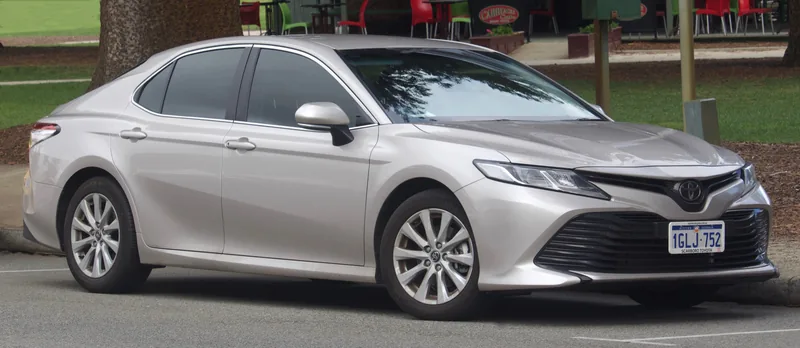 Daily Commuter Icon
2024 Toyota Camry
Front Pad: D1080
Rotor Discard: 26 mm
Slide Pin: 25 ft-lb
Bracket: 78 ft-lb
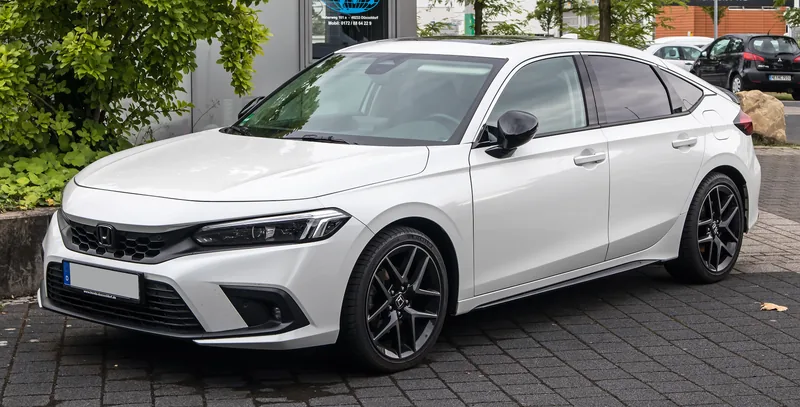 Compact Efficiency
2024 Honda Civic
Front Pad: D1578
Rotor Discard: 26 mm
Slide Pin: 25 ft-lb
Bracket: 80 ft-lb
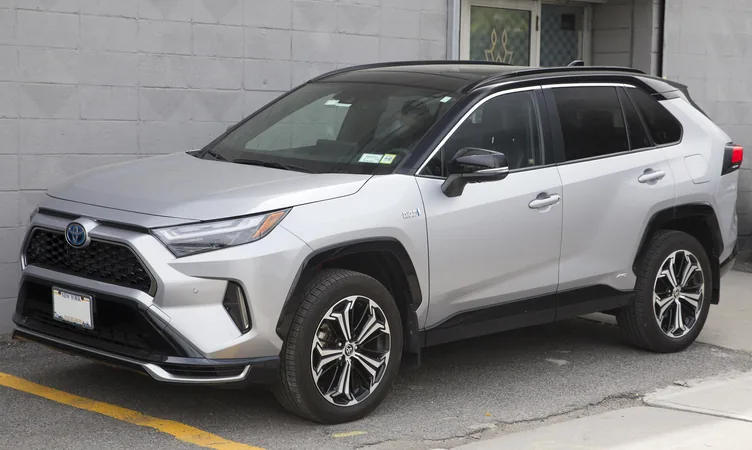 Compact SUV Bestseller
2024 Toyota RAV4
Front Pad: D1080
Rotor Discard: 26 mm
Slide Pin: 25 ft-lb
Bracket: 78 ft-lb
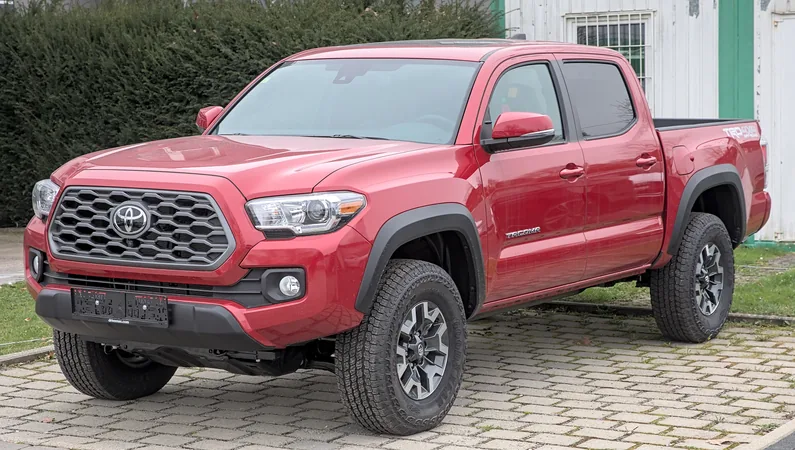 Off-Road Trail Legend
2024 Toyota Tacoma
Front Pad: D1084
Rotor Discard: 30 mm
Slide Pin: 30 ft-lb
Bracket: 105 ft-lb
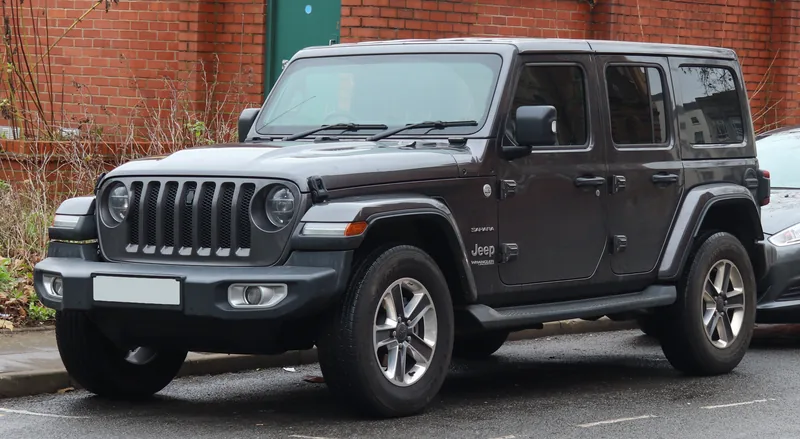 Trail-Rated 4x4
2024 Jeep Wrangler
Front Pad: D1611
Rotor Discard: 26 mm
Slide Pin: 25 ft-lb
Bracket: 100 ft-lb
Brake Friction Compounds Engineering Comparison
Daily Commuting King
Ceramic Friction Compounds
Formulated with dense ceramic matrices embedded with copper and bronze flakes. Delivers whisper-quiet stopping, smooth initial cold pedal bite, and light non-abrasive gray dust that will not stain wheels.
Heavy Towing & Hauling
Semi-Metallic Compounds
Composed of 30% to 65% steel wool, sintered iron, and graphite binders. Offers superior thermal conductivity and zero fade under severe thermal loads exceeding 1,000°F.
City Comfort
Non-Asbestos Organic (NAO)
Blended from aramid fibers, glass, and carbon resins. Exceptionally gentle on cast iron rotor discs but wears quickly and generates moderate black soot.
Ultra High Performance
Carbon-Ceramic Matrix (CCM)
High-strength silicon carbide and carbon fiber discs used on supercars. Provides virtually zero thermal degradation at 1,800°F with lifespan exceeding 100,000 miles.
Top 15 Popular US Vehicles Brake Specifications Reference
| Vehicle Model | Front Pad (FMSI) | Rear Pad (FMSI) | Front Discard | Slide Torque | Bracket Torque | Specs Link |
|---|---|---|---|---|---|---|
|
2024 Ford F-150 | D1414 | D1602 | 30 mm | 27 ft-lb (37 Nm) | 136 ft-lb (184 Nm) | View » |
|
2024 Chevrolet Silverado 1500 | D1084 | D1085 | 30 mm | 30 ft-lb (41 Nm) | 105 ft-lb (142 Nm) | View » |
|
2024 RAM 1500 | D1084 | D1085 | 30 mm | 30 ft-lb (41 Nm) | 130 ft-lb (176 Nm) | View » |
|
2024 Toyota Camry | D1080 | D1391 | 26 mm | 25 ft-lb (34 Nm) | 78 ft-lb (106 Nm) | View » |
|
2024 Honda Civic | D1578 | D1579 | 26 mm | 25 ft-lb (34 Nm) | 80 ft-lb (108 Nm) | View » |
|
2024 Toyota RAV4 | D1080 | D1391 | 26 mm | 25 ft-lb (34 Nm) | 78 ft-lb (106 Nm) | View » |
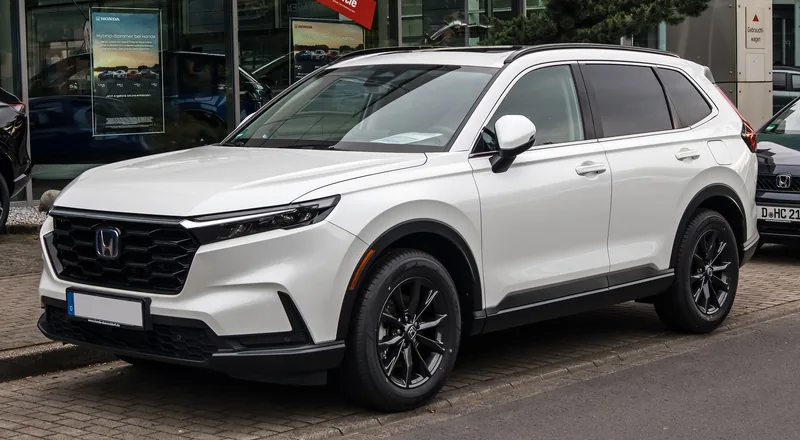 2024 Honda CR-V
 | D1578 | D1579 | 26 mm | 25 ft-lb (34 Nm) | 80 ft-lb (108 Nm) | View » |
|
2024 Toyota Tacoma | D1084 | D1085 | 30 mm | 30 ft-lb (41 Nm) | 105 ft-lb (142 Nm) | View » |
|
2024 Jeep Wrangler | D1611 | D1612 | 26 mm | 25 ft-lb (34 Nm) | 100 ft-lb (136 Nm) | View » |
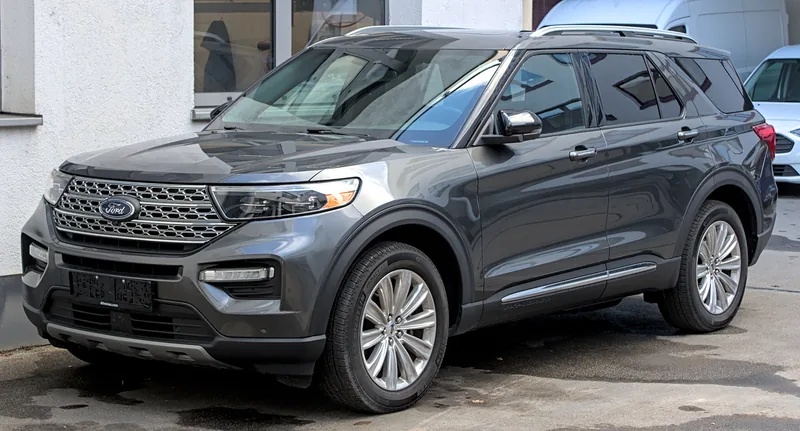 2024 Ford Explorer
 | D1611 | D1612 | 26 mm | 25 ft-lb (34 Nm) | 100 ft-lb (136 Nm) | View » |
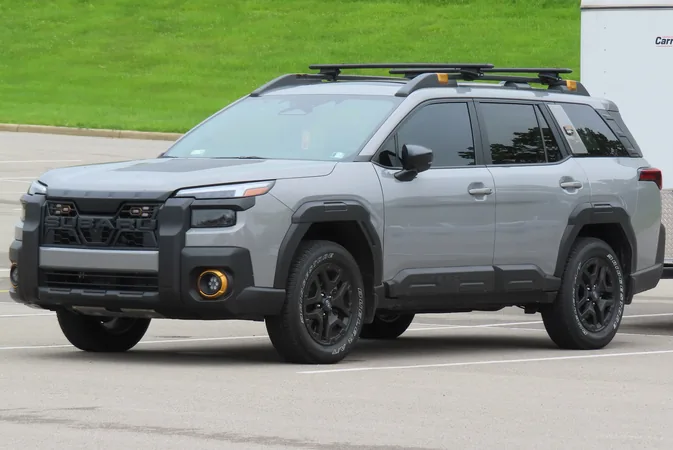 2024 Subaru Outback
 | D1210 | D1211 | 26 mm | 28 ft-lb (38 Nm) | 85 ft-lb (115 Nm) | View » |
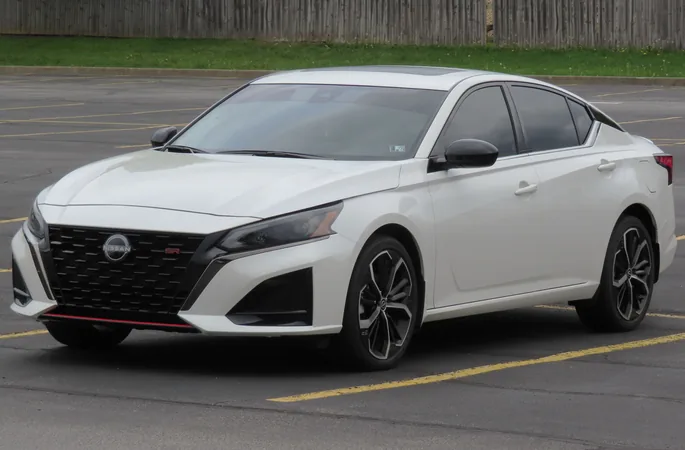 2024 Nissan Altima
 | D1210 | D1211 | 26 mm | 28 ft-lb (38 Nm) | 85 ft-lb (115 Nm) | View » |
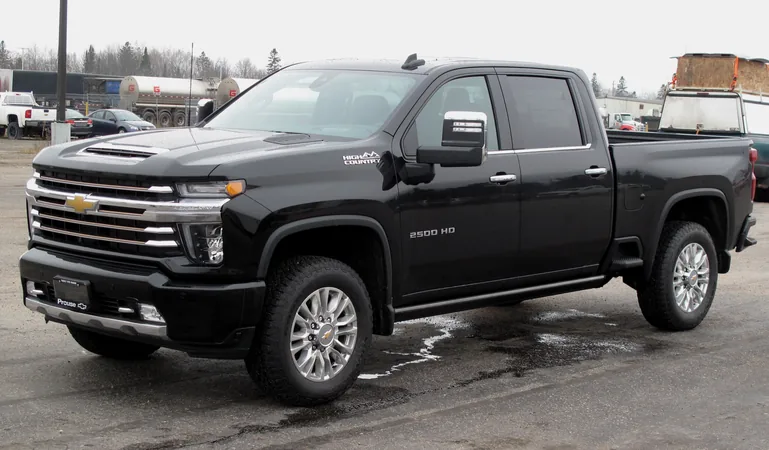 2024 GMC Sierra 1500
 | D1363 | D1367 | 30 mm | 32 ft-lb (43 Nm) | 129 ft-lb (175 Nm) | View » |
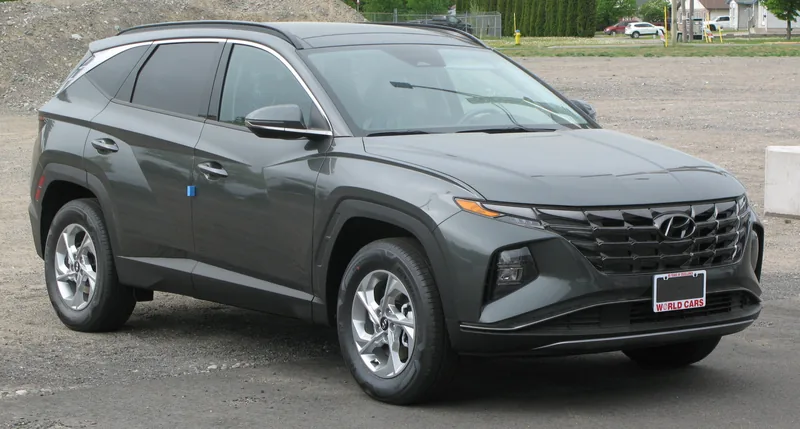 2024 Hyundai Tucson
 | D1210 | D1211 | 26 mm | 28 ft-lb (38 Nm) | 85 ft-lb (115 Nm) | View » |
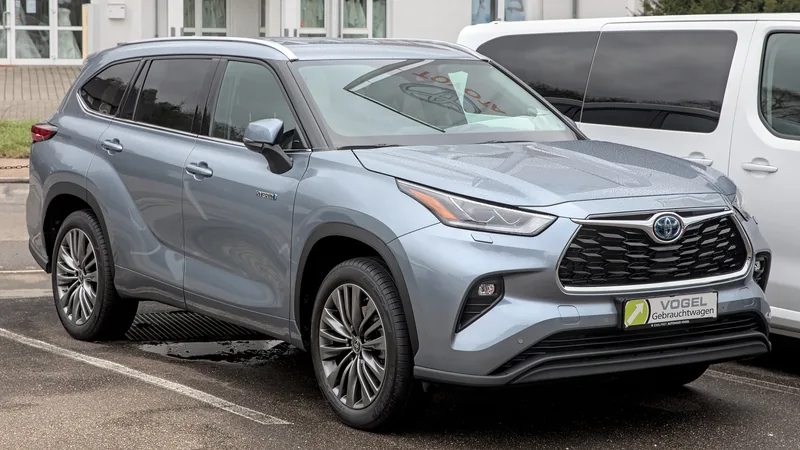 2024 Toyota Highlander
 | D1324 | D1325 | 26 mm | 25 ft-lb (34 Nm) | 85 ft-lb (115 Nm) | View » |
Automotive Brake Service Engineering Standards
Electronic Parking Brake (EPB) Safe Retraction Workflow
Rear brake calipers on modern vehicles feature integrated electric stepper servo motors that drive an internal worm gear spindle against the hydraulic piston. Attempting to compress the piston with a traditional mechanical clamp will shear the miniature planetary gears inside the motor housing. Technicians must electronically retract the spindle by entering Service Mode through the vehicle dashboard menu or an OBD-II diagnostic scan tool before compressing the piston.
The Fatal Caliper Torque Error: Slide Pins vs Carrier Mounting Bolts
DIY mechanics frequently confuse floating guide slide pins with structural caliper carrier bracket bolts. Caliper slide pins require light torque (22 to 35 ft-lbs). Excessive torque snaps the hollow slide pin threads. Conversely, carrier bracket mounting bolts hold the caliper assembly against rotational braking torque and demand 75 to 140 ft-lbs. Clean the bolt threads and apply medium-strength blue threadlocker prior to torquing.
Measuring Rotor Discard Thickness Past the Outer Lip
Standard flat-jaw vernier calipers bridge across the unworn outer rust ridge of a used rotor, producing a falsely thick reading. Always measure cast iron disc thickness with a pointed-anvil rotor micrometer directly on the center friction path. If measurements reach the factory minimum discard specification stamped on the rotor hat, the disc must be replaced immediately.
Hub Flange Corrosion & Disc Thickness Variation (DTV)
Brake pedal shudder under moderate deceleration is rarely caused by thermally warped metal discs. In over 95% of cases, it results from Disc Thickness Variation (DTV) caused by lateral runout exceeding 0.002 inches. Mounting a brand-new rotor over an uncleaned wheel hub with rust scale causes the disc to wobble as it rotates, creating thin spots across the disc faces within 2,500 miles. Always wire-brush the hub flange clean to bare metal.
Browse Brake Specifications by Vehicle Make (42 Brands)
Acura
2 Vehicle ModelsAlfa Romeo
2 Vehicle ModelsAudi
4 Vehicle ModelsBMW
4 Vehicle ModelsBuick
1 Vehicle ModelsCadillac
1 Vehicle ModelsChevrolet
8 Vehicle ModelsChrysler
1 Vehicle ModelsDodge
4 Vehicle ModelsFiat
2 Vehicle ModelsFord
12 Vehicle ModelsGMC
4 Vehicle ModelsGenesis
4 Vehicle ModelsHonda
7 Vehicle ModelsHyundai
5 Vehicle ModelsInfiniti
5 Vehicle ModelsJaguar
3 Vehicle ModelsJeep
10 Vehicle ModelsKia
7 Vehicle ModelsLand Rover
4 Vehicle ModelsLexus
4 Vehicle ModelsLincoln
6 Vehicle ModelsLucid
1 Vehicle ModelsMaserati
2 Vehicle ModelsMazda
5 Vehicle ModelsMercedes-Benz
5 Vehicle ModelsMercury
1 Vehicle ModelsMini
2 Vehicle ModelsMitsubishi
5 Vehicle ModelsNissan
6 Vehicle ModelsPolestar
2 Vehicle ModelsPontiac
3 Vehicle ModelsPorsche
4 Vehicle ModelsRAM
2 Vehicle ModelsRivian
2 Vehicle ModelsSaturn
2 Vehicle ModelsScion
2 Vehicle ModelsSubaru
4 Vehicle ModelsTesla
5 Vehicle ModelsToyota
9 Vehicle ModelsVolkswagen
5 Vehicle ModelsVolvo
2 Vehicle ModelsFrequently Asked Questions About Automotive Brake Systems
What is an FMSI brake pad standard number?
FMSI (Friction Materials Standards Institute) is the universal automotive numbering system that assigns standardized D-numbers (e.g. D1066, D1611, D1377) to distinct physical brake pad backing plate profiles. Regardless of brand, any pad bearing that FMSI shape will physically seat into the OEM caliper bracket.
What is the difference between caliper slide pin torque and bracket mounting torque?
Caliper guide slide pins secure the floating caliper body and require light torque (typically 22 to 35 ft-lbs). Caliper carrier bracket bolts mount the entire structural assembly directly to the vehicle steering knuckle or axle housing, carrying the entire stopping torque leverage (typically 75 to 140 ft-lbs). Confusing the two causes snapped pins or loose calipers.
Why do rear calipers on modern vehicles require Electronic Parking Brake (EPB) Service Mode?
Modern rear disc calipers incorporate an integrated electric servo motor and internal screw spindle that clamps the parking brake. Forcing this piston back with a mechanical C-clamp or spreader without electronically unwinding the internal spindle strips the miniature plastic planetary gears, destroying the caliper assembly.
What causes brake pedal vibration after installing new rotors?
Pedal pulsation is almost always caused by Disc Thickness Variation (DTV) resulting from excessive lateral runout (over 0.002 inches or 0.05 mm). When a new rotor is mounted over an uncleaned wheel hub with rust scale or debris, the rotor sits slightly crooked, wobbling between the pads and wearing uneven thin spots within 2,000 miles.
How can I measure brake rotor thickness past the outer rust lip?
Standard flat digital calipers bridge across the unworn outer lip of the disc, yielding a falsely thick measurement. Professional automotive technicians use a specialized pointed-anvil brake rotor micrometer that reaches over the lip directly into the center friction swept path to record true minimum discard thickness.
Which brake lubricant should be used on slide pins versus pad abutment clips?
On rubber-booted caliper slide pins, exclusively use 100% pure synthetic high-temperature silicone ceramic grease. Petroleum-based greases swell and disintegrate rubber dust boots, locking the pins. On steel pad backing ears and anti-rattle abutment clips, apply a thin coat of molybdenum disulfide ceramic anti-seize paste.
Ceramic vs Semi-Metallic brake pads: which is better?
Ceramic pads excel for daily passenger driving, offering silent stops, minimal non-abrasive light gray dust, and extended rotor lifespan. Semi-metallic pads contain 30% to 65% steel wool and iron fibers, providing unmatched thermal conductivity and high-temperature fade resistance for heavy towing, track use, and fleet duty.
What is the minimum legal brake pad friction thickness?
State inspection safety guidelines mandate replacing brake pads when friction lining wears down to 2.0 mm to 3.0 mm (approximately 3/32 of an inch). Automotive mechanics recommend pad replacement at 4.0 mm to ensure sufficient thermal isolation and prevent backing plate metal-to-metal contact with the rotor.
Do I need to replace or turn (resurface) rotors every time I change pads?
Yes. Installing fresh brake pads against grooved, glazed, or heat-spotted rotors prevents the friction material from establishing full surface contact, causing squeal and premature pad taper. Modern thin-cast rotors leave very little margin between nominal thickness and minimum discard limits, making complete rotor replacement more reliable and cost-effective than machining.
Why do brand-new brake pads smoke after initial installation?
Initial smoking and a distinct resin odor during the first few drive cycles is completely normal. Manufacturing binding resins near the friction surface burn off and cure as the pads reach their first high-temperature cycle during the structured bed-in (burnishing) procedure.
Can you reuse caliper carrier bracket mounting bolts?
Standard high-tensile steel bolts are reusable if threads are cleaned with a wire brush and treated with medium-strength blue threadlocker. However, vehicles specifying Torque-to-Yield (TTY) bolts require brand-new factory bolts because TTY hardware permanently stretches during initial torque angle tightening and can shear if retorqued.
What happens if you mix DOT 3, DOT 4, and DOT 5 brake fluid?
DOT 3, DOT 4, and DOT 5.1 are compatible glycol-ether based fluids with varying boiling points. However, DOT 5 is a silicone-based fluid that does not absorb moisture and is completely incompatible with glycol systems. Adding DOT 5 into a DOT 3 or DOT 4 system causes rapid fluid foaming, seal degradation, and catastrophic hydraulic brake failure.