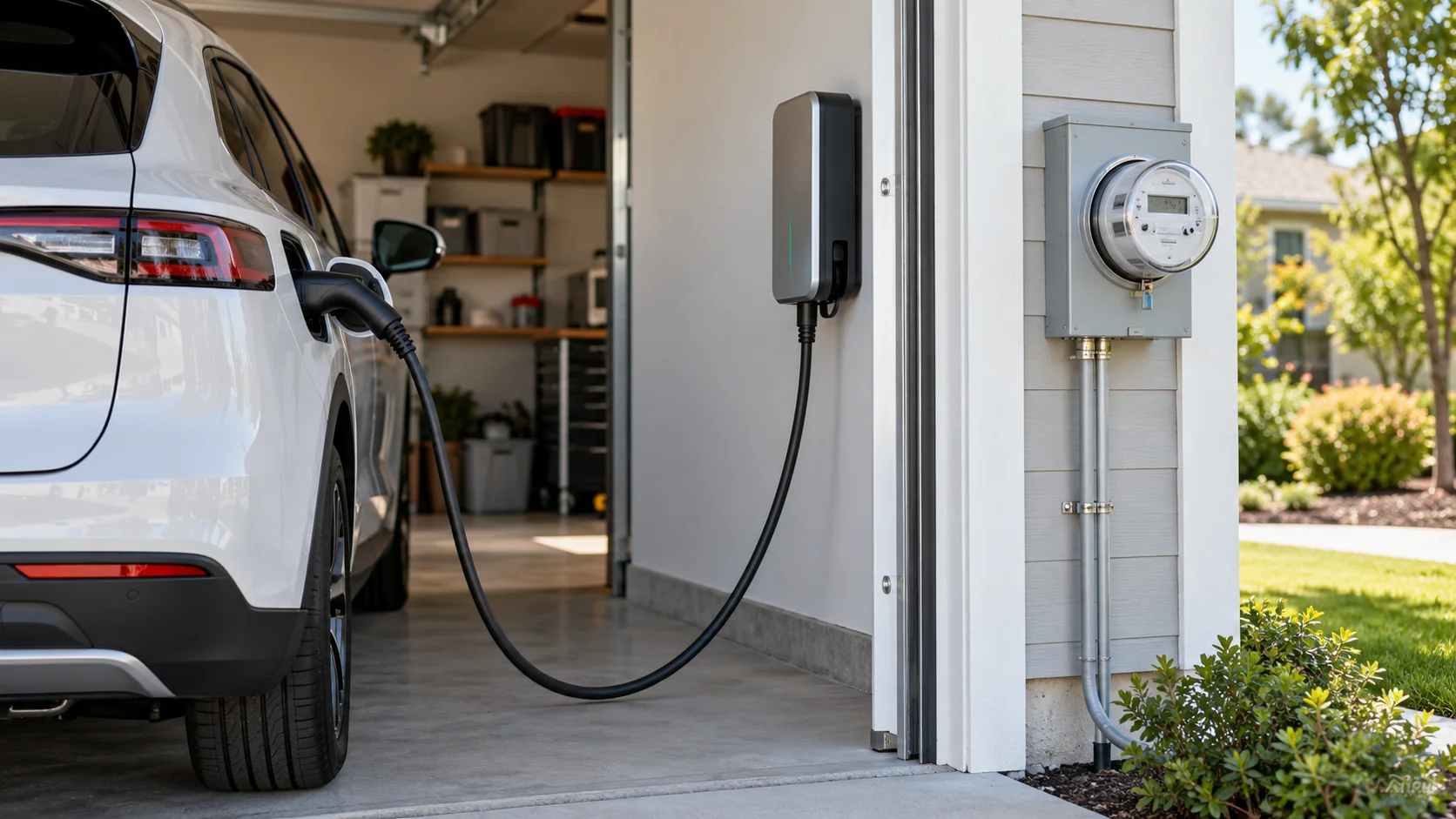
How Much Does It Cost to Charge an Electric Car? Home vs. Public Charging

Charging an electric car usually costs less at home than at a public station. A 60-kWh charge costs $7.20 at 12 cents per kWh, $10.80 at 18 cents, $18 at 30 cents, and $30 at 50 cents. Your bill depends on the electricity price, the amount of energy you add, and where you charge.
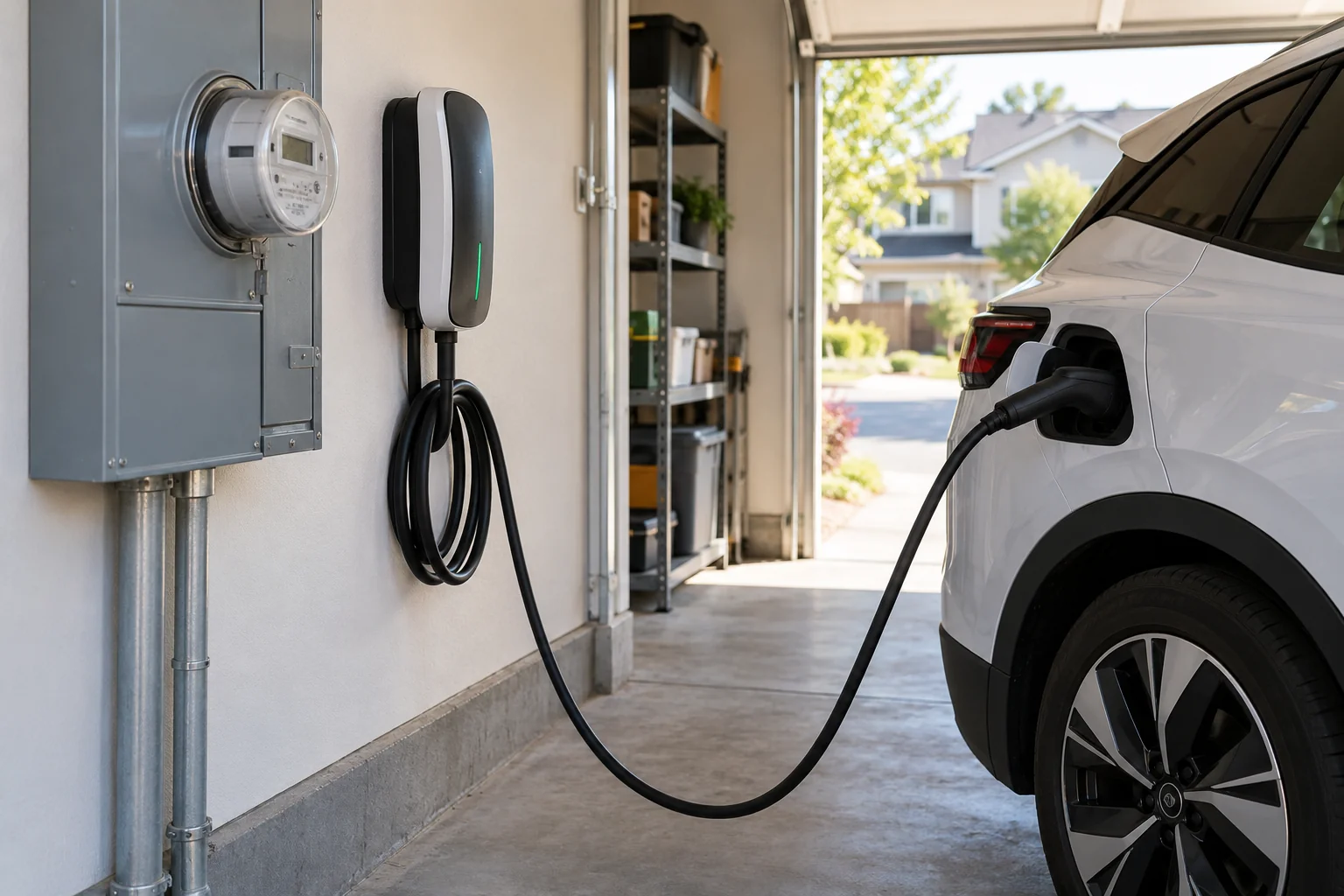
The quickest way to estimate the price is simple:
Charging cost = kilowatt-hours added × price per kWh
Most drivers add only the energy used since the last trip and may stop near 80% for daily driving. The kWh added matters more than the battery size listed in a vehicle brochure.
What is the simple formula for EV charging cost?
Use the energy added to the battery and the price shown on your utility bill or charging app. The U.S. Department of Energy uses the same basic relationship when it explains EV fuel cost per mile: electricity price per kWh multiplied by the vehicle’s electricity use.
For example, suppose your car needs 45 kWh to return to your normal charge level and your home rate is $0.18 per kWh:
45 kWh × $0.18 = $8.10
That $8.10 is the electricity cost before any small charging losses. A home charger uses some extra electricity while moving energy into the battery, so a bill-based estimate may be modestly higher than the battery-energy calculation.
Example: What Does a 60-kWh charge cost?
| Electricity price | Cost to add 60 kWh |
|---|---|
| $0.12 per kWh | $7.20 |
| $0.18 per kWh | $10.80 |
| $0.30 per kWh | $18.00 |
| $0.50 per kWh | $30.00 |
These are examples, not a national price list. An overnight utility plan may cost far less than a peak-hour rate. Public DC fast charging can cost much more than home charging.
How much does it cost to charge an EV at home?
Home charging is usually the lowest-cost option because you pay your household electricity rate. Check the total cost and total kWh on a recent bill, then divide the cost by the kWh to find your blended rate. You can compare it with the U.S. Energy Information Administration’s residential electricity data, but your own rate is the number that matters for this calculation.
Level 1 and Level 2 charging mainly change speed. A Level 1 cord uses a standard outlet and works for drivers with short daily trips. A Level 2 charger uses a 240-volt circuit and adds range faster. The electricity price can be the same for either option unless your utility plan applies different rates by time of day.
Some utilities offer time-of-use plans. Charging overnight can lower the cost when an off-peak rate applies. Check the plan details before switching because peak-hour household use may offset EV savings.
How much does an EV add to your monthly electric bill?
A useful monthly estimate starts with miles driven. Divide monthly miles by the car’s efficiency in miles per kWh, then multiply by your electricity rate.
For a car that averages 3.5 miles per kWh, drives 1,000 miles a month, and charges at $0.18 per kWh:
1,000 ÷ 3.5 × $0.18 = about $51.43 per month
The same driver would pay about $34 at 12 cents per kWh or about $86 at 30 cents per kWh. Cold weather, high speeds, heavy cargo, and low tire pressure can reduce efficiency. Keeping tires properly inflated helps any vehicle use less energy. SelectMyBlog’s guide on how to check tire pressure explains the basic check.
How much does public EV charging cost?
Public charging usually costs more than home charging. The exact price depends on the network, city, station type, membership plan, parking rules, and time of day.
Public Level 2 charging is useful when a car will be parked for several hours, such as at work, a hotel, or a shopping area. DC fast charging is designed for shorter stops and road trips. It costs more because the station provides much more power in less time.
Before you plug in, check four things in the charging app or on the station display:
- the price per kWh or per minute
- any session, parking, or idle fee
- whether a membership changes the price
- the battery percentage you need to reach your next stop
Charging only the energy you need on an expensive DC fast charger can keep a road-trip bill under control.
Is DC fast charging more expensive than charging at home?
Yes. DC fast charging usually costs more per kWh than home charging. It is useful when time matters, but it is rarely the cheapest way to cover routine daily driving.
The state of charge affects charging speed as well. Many EVs charge fastest at lower battery levels and slow down near a high percentage. A stop from 20% to 80% may be faster and less expensive than waiting to reach 100% when you do not need the extra range.
How much does it cost per mile to drive an electric car?
Cost per mile shows whether electricity prices make sense for your driving pattern. Use this formula:
Cost per mile = kWh per 100 miles ÷ 100 × electricity price per kWh
A vehicle that uses 28 kWh per 100 miles at $0.18 per kWh costs about 5 cents per mile for electricity. At $0.50 per kWh, the same vehicle costs 14 cents per mile.
This comparison is more useful than a single full-charge figure because EV battery sizes vary widely. It also gives you a clearer way to compare electric driving with a gasoline or hybrid vehicle. For the gasoline side of that decision, see Do Hybrid Cars Save Money?, which walks through a fuel-cost payback calculation.
What other EV charging costs should you budget for?
Electricity is the recurring cost, but a Level 2 home charger may require equipment, an electrician, permits, or an electrical-panel upgrade. Renters and apartment residents may rely more on workplace or public charging, which changes the budget.
Public charging can add parking, membership, or idle fees.
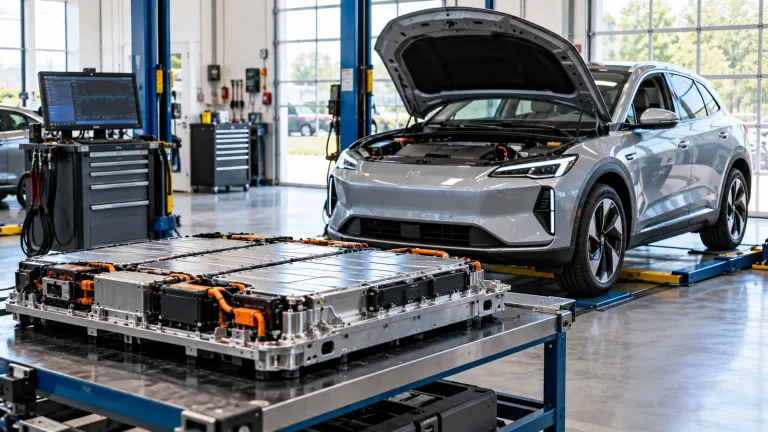
Do not confuse the EV’s large traction battery with the smaller 12-volt battery that runs accessories and starts vehicle systems. They do different jobs. For the conventional-battery side of the topic, read how much a car battery weighs.
How can you spend less on EV charging?
Charge at home when it fits your routine. Use an off-peak utility rate when the full household plan works in your favor. Save public DC fast charging for travel or days when a faster stop is necessary.
Use the car’s efficiency rating, your recent utility bill, and the charger price shown in the app. That gives you a better budget than any national average.
Frequently Asked Questions
How much does it cost to fully charge an electric car at home?
Multiply the kWh you need to add by your home electricity rate. Adding 60 kWh costs $10.80 at 18 cents per kWh. A smaller top-up costs less, and charging losses can add a small amount to the electricity drawn from the wall.
Is it cheaper to charge an electric car at home or at a public station?
Home charging is usually cheaper because it uses the residential electricity rate. Public Level 2 and DC fast stations add convenience, but their per-kWh price is often higher. Check the station display for energy, parking, and idle fees.
How much does an electric car add to your monthly electric bill?
It depends on miles driven, vehicle efficiency, and your rate. A driver who travels 1,000 miles monthly in a 3.5-miles-per-kWh EV at 18 cents per kWh would spend about $51.43 for electricity before charging losses.
How do I calculate the cost to charge my EV?
Multiply the kWh added by the price per kWh. For example, adding 45 kWh at 18 cents per kWh costs $8.10. Use the energy added rather than the full battery capacity unless you are calculating a true empty-to-full charge.
How much does DC fast charging cost?
DC fast charging prices vary by network, city, membership, and time. It usually costs more than home charging because it provides much more power in less time. Check the station’s listed price and any idle or parking fee before charging.
Does a Level 2 charger increase the cost of electricity?
A Level 2 charger increases how quickly you can add energy, not the utility’s base price per kWh. Your cost changes when the charger moves your usage into a different time-of-use rate period or when installation costs are included in the budget.