Do Hybrid Cars Save Money? How to Calculate the Payback in 2026

A hybrid car can save money, but the badge alone does not guarantee a better deal. The answer depends on the hybrid premium, mileage, gas prices, MPG, and ownership period.
Quick Verdicts:
A hybrid is most likely to save you money when you drive many miles, spend time in city traffic, and choose a model with a small price premium. Use a hybrid vs gas calculator before buying. Purchase price, financing, maintenance, and resale value matter too.

For a quick maintenance check that can affect real-world MPG, see how to check tire pressure.
Do hybrid cars save money overall?
Yes, a hybrid can save money over ownership when its fuel savings repay the additional upfront cost. Kelley Blue Book’s 2026 Corolla example showed $459 in annual fuel savings and payback in about three years. Your result changes with mileage, MPG, gas prices, and purchase price.
The important phrase is over ownership. A hybrid may cost more on day one, yet cost less afterward. A gas vehicle may win if you drive very little. Compare similar trims, equipment, warranty coverage, and safety features.
Hybrid vs gas: where the savings come from
Hybrid savings usually come from fuel economy and regenerative braking. The U.S. Department of Energy and EPA describe a hybrid as a gasoline engine, battery, and electric motor working together. Regenerative braking recaptures energy that a gas-only vehicle normally loses as heat.
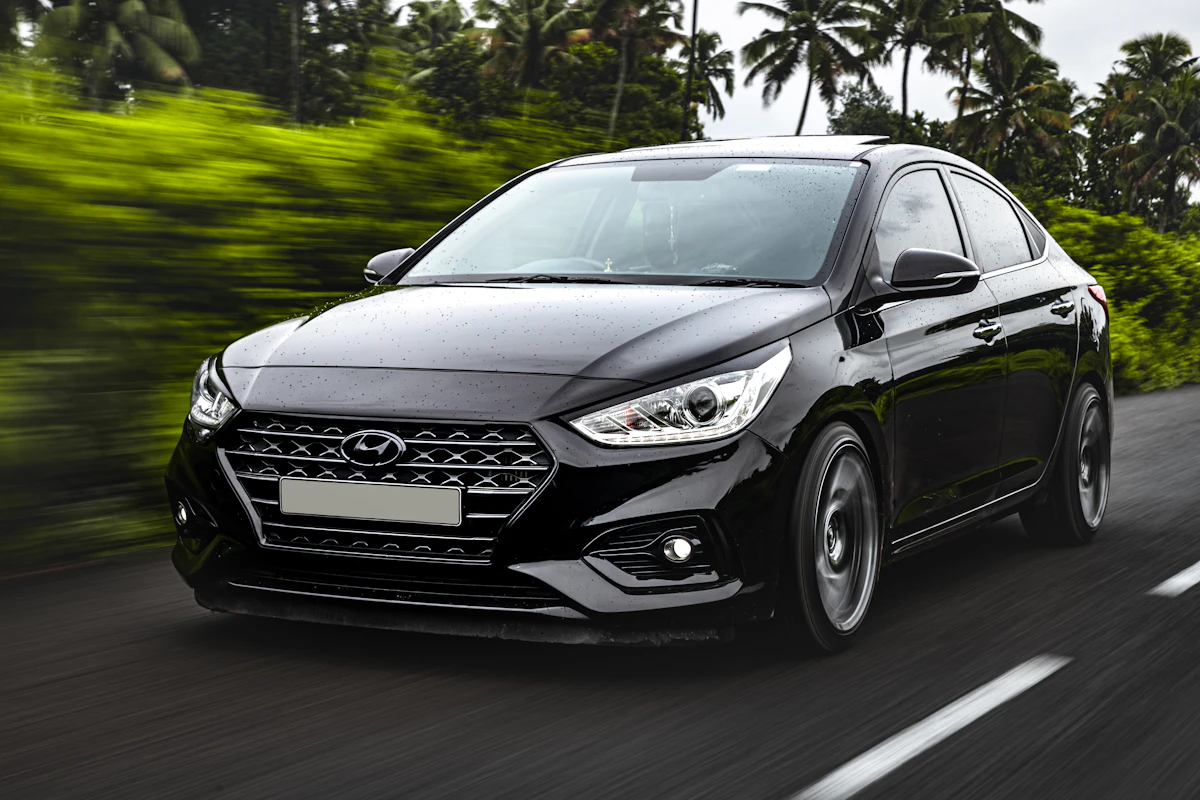
That design is especially useful in stop-and-go driving. Highway driving can narrow the gap because the gas engine does more work at steady speeds. Cold weather, cargo, aggressive acceleration, and low tire pressure can also reduce fuel efficiency.
For another fuel-efficiency variable, see how tire weight affects fuel economy.
How to calculate your hybrid payback period
The payback period is the time needed for fuel savings to cover the hybrid’s extra purchase cost. The EPA’s hybrid comparison tool uses vehicle price and fuel cost, but excludes insurance, maintenance, and resale value. Use its method as a starting point, then add your own costs.
Use this formula:
Annual fuel cost = annual miles ÷ MPG × gas price
Annual fuel savings = gas-model fuel cost − hybrid fuel cost
Payback period = hybrid price premium ÷ annual fuel savings
Example calculation
Imagine a hybrid costs $2,000 more than a similar gas model. You drive 15,000 miles each year. The gas model returns 34 MPG, while the hybrid returns 50 MPG. At $3.32 per gallon, the gas model uses about 441 gallons yearly, compared with 300 gallons for the hybrid.
At that fuel price, annual savings are about $468, producing a simple payback near 4.3 years. More miles or higher gas prices shorten the timeline. Use your actual mileage, local price, dealer fees, and financing interest.
Which drivers save the most with a hybrid?
Drivers who drive many miles, face frequent city traffic, and keep their vehicle long enough to recover the upfront premium usually save the most with a hybrid. Regenerative braking and electric assistance are especially useful during repeated stops, slow speeds, and urban driving.
| Driver Profile | Likly Financial Result | Why |
| High-mileage city driver | Strong hybrid case | More miles, frequent stops, and regenerative braking can create faster fuel savings. |
| Mixed city and highway driver | Often favorable | A hybrid can still reduce fuel use, but the advantage depends on the model’s city and highway MPG. |
| Low-mileage driver | Gas model may win | Lower annual fuel savings may take longer to recover the hybrid’s upfront cost. |
| Long-distance highway driver | Compare carefully | Highway driving may reduce the hybrid’s fuel-economy advantage. |
| Short-term owner | Gas model may win | You may sell before fuel savings recover the higher purchase price. |
What other costs should you compare?
Fuel is only one part of the ownership budget. Compare the purchase premium, loan interest, insurance, maintenance, tires, warranty coverage, and resale value. The EPA tool focuses on fuel cost and vehicle price because other categories vary widely.
Regenerative braking can reduce friction-brake use, but a hybrid still needs tires, fluids, filters, inspections, and repairs. Check high-voltage battery coverage for the exact vehicle and state. Resale value can improve the math, but demand changes by fuel prices, model reputation, warranty, mileage, and local preferences.
For related 12V battery ownership context, see weak battery symptoms and rough running. This is separate from a hybrid traction-battery warranty.
When does a hybrid not save money?
A hybrid may not save money when the price premium is large, the MPG improvement is small, or you drive too few miles. Consumer Reports found that some hybrids repay their premium quickly, while others take many years because their price is high or their fuel advantage is limited.
Be cautious when the hybrid version adds luxury equipment that the gas model does not have. Also check trim levels, fuel requirements, promotional pricing, and financing terms. Plug-in hybrids require a separate calculation based on charging access, electricity rates, electric driving distance, and charging habits.
Hybrid Car Calculator Checklist
Before buying, collect these inputs for both vehicles:
- Exact trim and selling price.
- Destination fee, taxes, and dealer-installed options.
- Loan rate, term, and interest.
- EPA city, highway, and combined MPG.
- Your real annual mileage.
- Local regular and premium gas prices.
- Insurance quotes for both vehicles.
- Maintenance and battery coverage.
- Estimated resale value after your ownership period.
Run low, current, and high gas-price scenarios. If the hybrid only wins at high prices, the purchase is financially sensitive. If it wins in all three, the case is stronger.
For another battery-related ownership reference, see how much a car battery weighs.
FAQ: Do hybrid cars save money?
How long does it take for a hybrid to pay for itself?
It can take a few years or much longer. Divide the price premium by annual fuel savings. KBB’s 2026 Corolla example reached payback in about three years, but a larger premium or fewer miles can stretch the timeline.
Are hybrid cars cheaper to maintain?
Not always. Regenerative braking may reduce friction-brake use, while the gas engine still needs normal service. Compare the manufacturer’s maintenance schedule, warranty, tire costs, and local repair prices.
Is a hybrid better for highway driving?
It can be, but city driving usually produces a larger fuel-efficiency advantage. Highway commuters should compare highway MPG and real-world tests. A small advantage may not repay a large upfront cost quickly.
Do hybrid batteries make the car too risky?
Evaluate battery risk through warranty terms, model history, and inspection. Check transfer rules, service network, and used-car diagnostic options. A gas model may be safer if coverage is unclear.
Should I buy a hybrid or a gas model?
Buy the hybrid when its total cost is lower across your ownership period. Choose gas when the premium is high, annual mileage is low, or you will sell before payback.
Final Verdict
Do hybrid cars save money? Often, yes, but the right answer comes from your numbers, not a generic MPG claim. Start with a comparable gas model, calculate the fuel savings, add financing and ownership costs, then test the result under different gas prices. If the hybrid pays back before you plan to sell, it can be the better financial choice.
Use the tire-pressure guide alongside your ownership-cost inputs before comparing vehicles.