Premium Vs Regular Gas: Which Should You Use for Your Car?

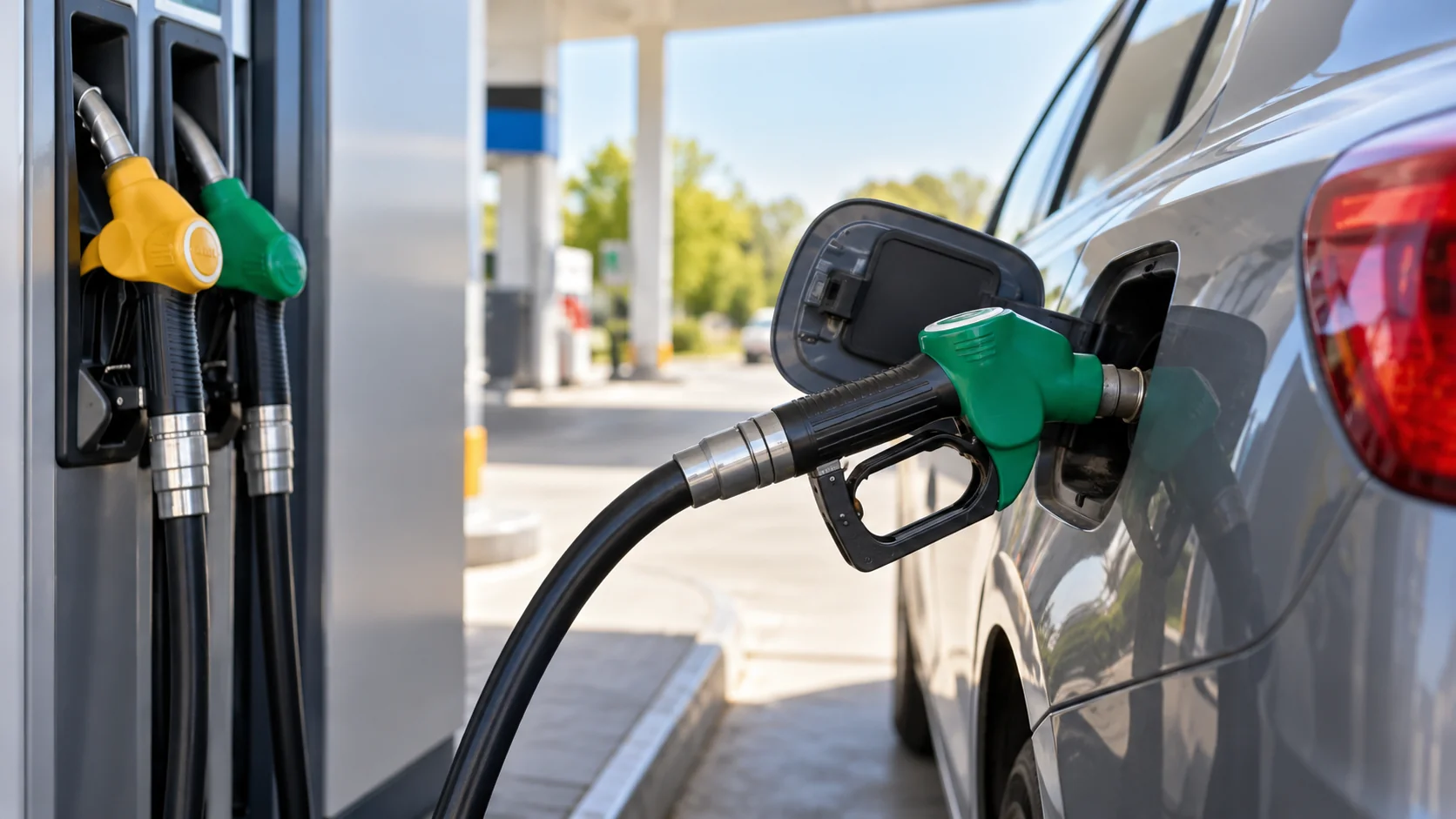
This premium vs regular gas guide gives one clear rule: use the fuel listed in your manual. Use premium gas when your car requires it. Use regular gas when your manual allows it. The main difference is the octane rating. Regular gas is often 87 octane. Premium is often 91 to 93 octane. Higher octane helps some high-compression and turbocharged engines avoid engine knock.
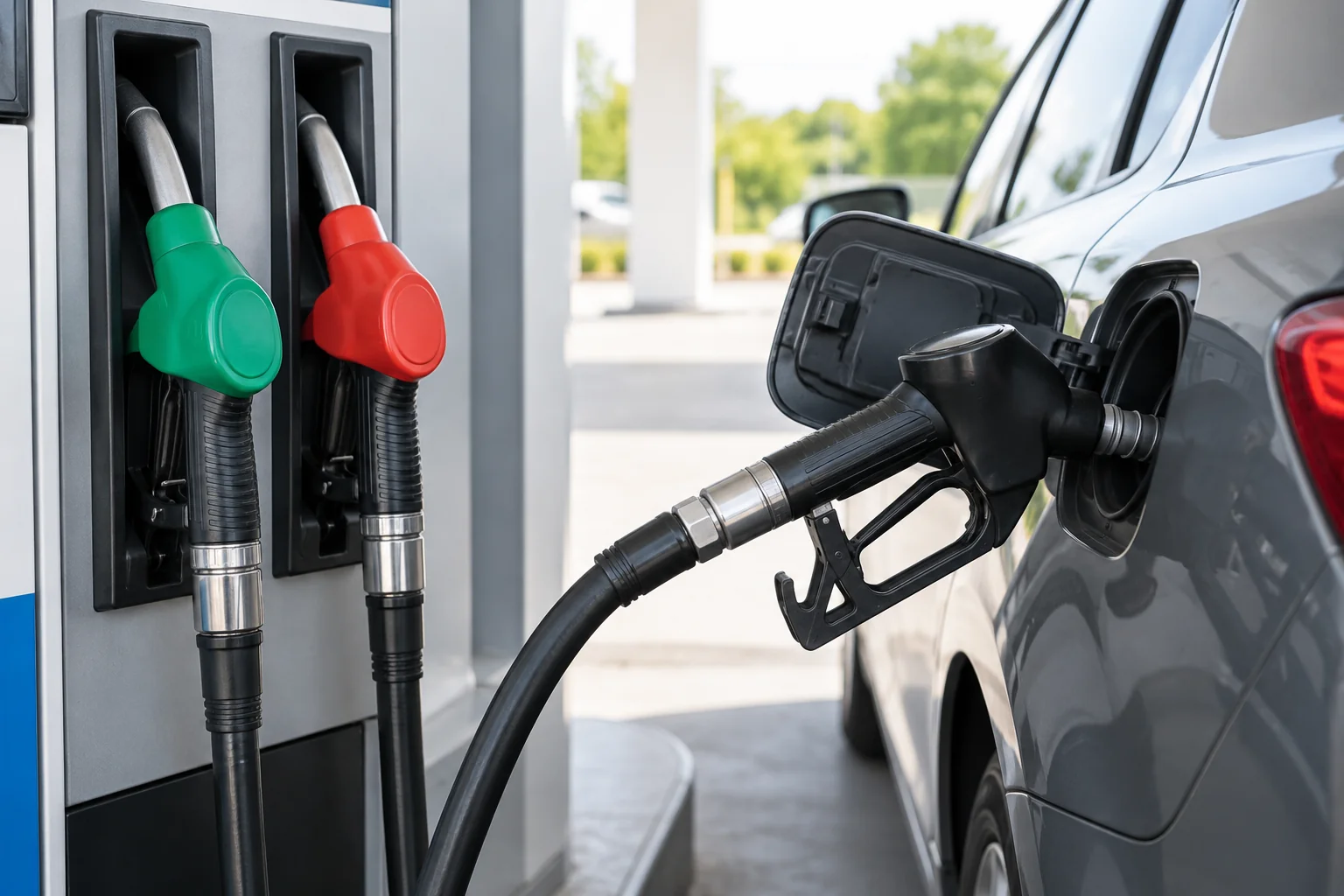
If your car says premium required, buy premium. If it says regular recommended, buy regular and save money. If it says premium recommended, compare the cost with the benefit. Premium is not always better.
Read our guide to whether hybrid cars save money if fuel cost is part of a larger vehicle-buying decision.
Quick Summary
- Use the grade printed on the fuel door or owner’s manual.
- Regular is commonly 87 octane, and premium is commonly 91 to 93 octane.
- Premium can protect performance in engines designed for higher octane, but it is not a universal upgrade.
- The U.S. Department of Energy says regular-fuel vehicles usually see little or no benefit from premium.
What Is the Difference Between Premium and Regular Gas?
Premium gasoline and regular gasoline mainly differ in octane. Octane shows how well fuel resists engine knock. Both are usually unleaded gasoline. Regular is often 87 octane. Premium is often 91 to 93 octane. The U.S. Department of Energy says higher octane can handle more pressure before the fuel burns too soon.
Premium does not mean more energy or more cleaning power. It means better knock resistance. A high-compression or turbocharged engine can create more pressure. That is why some of these engines need premium fuel. The octane rating protects the fuel-air mixture from early combustion.
The pump number is called the anti-knock index. It comes from two fuel tests. The U.S. Department of Energy’s octane explanation explains the method. Check the number on the pump, not the word premium alone.
Premium gas is not better for every car. Its main difference is octane. Regular gas is often 87 octane. Premium is often 91 to 93 octane. Higher octane helps engines that run with more cylinder pressure. Always use the grade listed in the owner’s manual.
Common U.S. Pump Octane Bands
| Fuel grade | Common U.S. pump octane | What it means |
|---|---|---|
| Regular | 87 | Standard choice when the manual allows or requires it |
| Mid-grade | 89 | Middle option where the pump offers it |
| Premium | 91 to 93 | Higher knock resistance for engines designed or tuned for it |
Does Premium Gas Improve Performance or Gas Mileage?
Premium gas can improve performance when the engine is made for it. The U.S. Department of Energy’s fuel guidance says regular-fuel cars usually get little or no benefit from premium. Some premium-recommended cars may gain horsepower, torque, or better gas mileage. The gain may not cover the extra cost.
A premium-required engine may lose power on lower octane. It may also change its ignition timing to avoid knock. A regular-fuel engine cannot make more power just because you use premium. The engine must be designed to use the extra octane.
Fuel economy also depends on speed, tire pressure, cargo, weather, and traffic. Before blaming the fuel, use this car tire pressure guide. Low tire pressure can waste more fuel than a fuel-grade change saves.
Premium fuel helps most when an engine is designed for higher octane. A regular-fuel car may get little or no benefit from premium. The U.S. Department of Energy says any mileage gain in a premium-recommended car may be too small to cover the higher fuel price.
Which Cars Require or Recommend Premium Gas?
Your owner’s manual gives the correct answer. Fuel needs vary by engine, model year, compression ratio, and turbocharger. A car that says require premium gas needs premium. A car that says manufacturer recommends premium may run on regular, but it may lose some power or mileage. Check the fuel-door label too.
High-output engines often need or recommend premium because they run at higher pressure. Some turbocharged engines also use premium. Not every turbocharged car needs it. Do not guess from the car badge. Read the fuel grade in the owner’s manual.
In a 2023 DOE and EPA data set, 26.7% of light-duty vehicle versions required premium. Another 26.3% recommended it. The DOE and EPA vehicle-fuel summary explains the data. Check your car instead of using a general rule.
Look under fuel requirements in the manual. Pay attention to required, minimum, and recommended. If regular is the minimum and premium is optional, start with regular.
Fuel needs depend on the engine, not the car badge. The DOE reported that 26.7% of 2023 light-duty versions required premium and 26.3% recommended it. Your owner’s manual and fuel-door label are still the best guides for your car.
Is Premium Gas Worth the Extra Cost?
Premium is worth the extra cost when your car requires it. It may also help when the manual recommends it and you need full power. Mid-grade gas is another option at some pumps. It is usually not worth extra money when your manual allows regular and the car runs well on it. Match the fuel to the engine.
Use this three-level decision:
| Vehicle instruction | Best fuel choice | Why |
|---|---|---|
| Premium required | Use the listed premium grade | Meets the engine’s needs |
| Premium recommended | Try premium if power matters | The engine may use the extra octane |
| Regular recommended or required | Use the listed regular grade | Premium may add cost without a clear benefit |
Do not compare only the pump price. Track total fuel cost and miles per gallon. Also consider towing, steep roads, hot weather, and hard acceleration. If premium does not give a clear benefit, regular is the better value.
The costly mistake is buying premium without checking the manual. Tire pressure, air filters, and driving habits can affect fuel use too.
Can You Mix Regular and Premium Gas?
Yes. Regular and premium gas can mix in one tank. Both use the same octane scale. The blend will have an octane level between the two grades. This applies to regular unleaded and premium unleaded gasoline. For daily use, follow the grade in your manual, especially for a premium-required engine.
If you add regular to a premium-required car, do not panic. Avoid hard acceleration and towing. Refill with the correct grade soon. If the engine knocks, runs poorly, or shows a warning light, stop pushing it. Use our guide to reset a car computer without disconnecting the battery for related checks.
If you add premium to a regular-fuel car, the higher octane should not harm the engine. You may pay more with no real benefit. Diesel and E85 are different. Do not use them unless your car is made for them.
For other engine symptoms, see what can cause rough-running from a weak battery. Fuel choice is only one possible cause.
Mixing regular and premium gas is usually safe. Both grades use the same octane scale, so the blend falls between the two grades. A premium-required car should return to the listed grade before hard driving or towing.
How Should You Choose Gas for Your Car?
Choose gas by checking the owner’s manual and fuel-door label. Start with the listed minimum grade. Choose premium when it is required or when the manual recommends it for your engine. Track gas mileage and fuel economy before paying more without a clear reason.
Use this quick checklist at the pump:
- Read the fuel-door label or owner’s manual.
- Identify whether premium is required, recommended, or unnecessary.
- Use the correct octane number, not only the brand name.
- Track fuel economy over similar driving conditions.
- Stop testing lower octane if you hear persistent knock or the engine runs poorly.
Fuel cannot fix worn spark plugs, a dirty injector, a bad oxygen sensor, or low tire pressure. If mileage drops fast, check the car first. Review this maintenance tools and equipment guide before buying fuel additives.
The best fuel choice starts with the owner’s manual. Use the listed minimum octane. Try premium only when the manual recommends it or your driving needs it. Fuel grade cannot replace normal maintenance or a proper engine check.
Frequently Asked Questions
These six questions cover octane, fuel mixing, storage, and wrong fuel. Regular is often 87 octane. Premium is often 91 to 93 octane. Your owner’s manual is the final guide.
Does it matter if I use regular or premium gas?
Yes, when the engine needs higher octane. Regular is often 87 octane. Premium is often 91 to 93 octane. Use the minimum listed in the manual. A regular-fuel car usually does not need premium.
Is there a downside to using premium gas?
The main downside is the higher price. Premium is often 91 to 93 octane, but that does not add power to every engine. If your manual allows regular, compare the cost before making premium your daily choice.
Can I switch between regular and premium gas?
You can switch when the manual allows both grades. Regular is often 87 octane. Premium is often 91 to 93 octane. The mix will fall between those numbers. A premium-required car should use the required grade as its normal fuel.
Is there really a difference between 87 and 91 octane?
Yes. 87 and 91 octane resist knock at different levels. The difference matters most in high-pressure engines. If the manual lists 87 as the minimum, 91 may cost more without changing normal driving.
Does premium gas last longer than regular gas?
No. Premium does not last longer just because its octane is higher. Regular is often 87 octane. Premium often starts around 91 octane. Fuel age, dirt, heat, and the fuel system matter more.
What happens if I use the wrong type of gas?
Higher octane than required usually causes no problem, but it may waste money. Lower octane than required can cause knock or lower power. Regular is often 87 octane. Premium is often 91 to 93 octane. If you used diesel or the car runs badly, stop driving and get help.
Final Answer: Which Gas Should You Use?
Use regular gas when the manual lists regular. Use premium when the manual requires it. You can also use it when the manual recommends it and the benefit is worth the cost. Premium is not always better. The right octane is the one made for your engine.
Before your next fill-up, check the label and octane number. Keep your maintenance records up to date. If mileage is low, check tire pressure, traffic, driving speed, and service needs before changing fuel.