How Much Does It Cost to Tint Car Windows? (Full Price Guide)

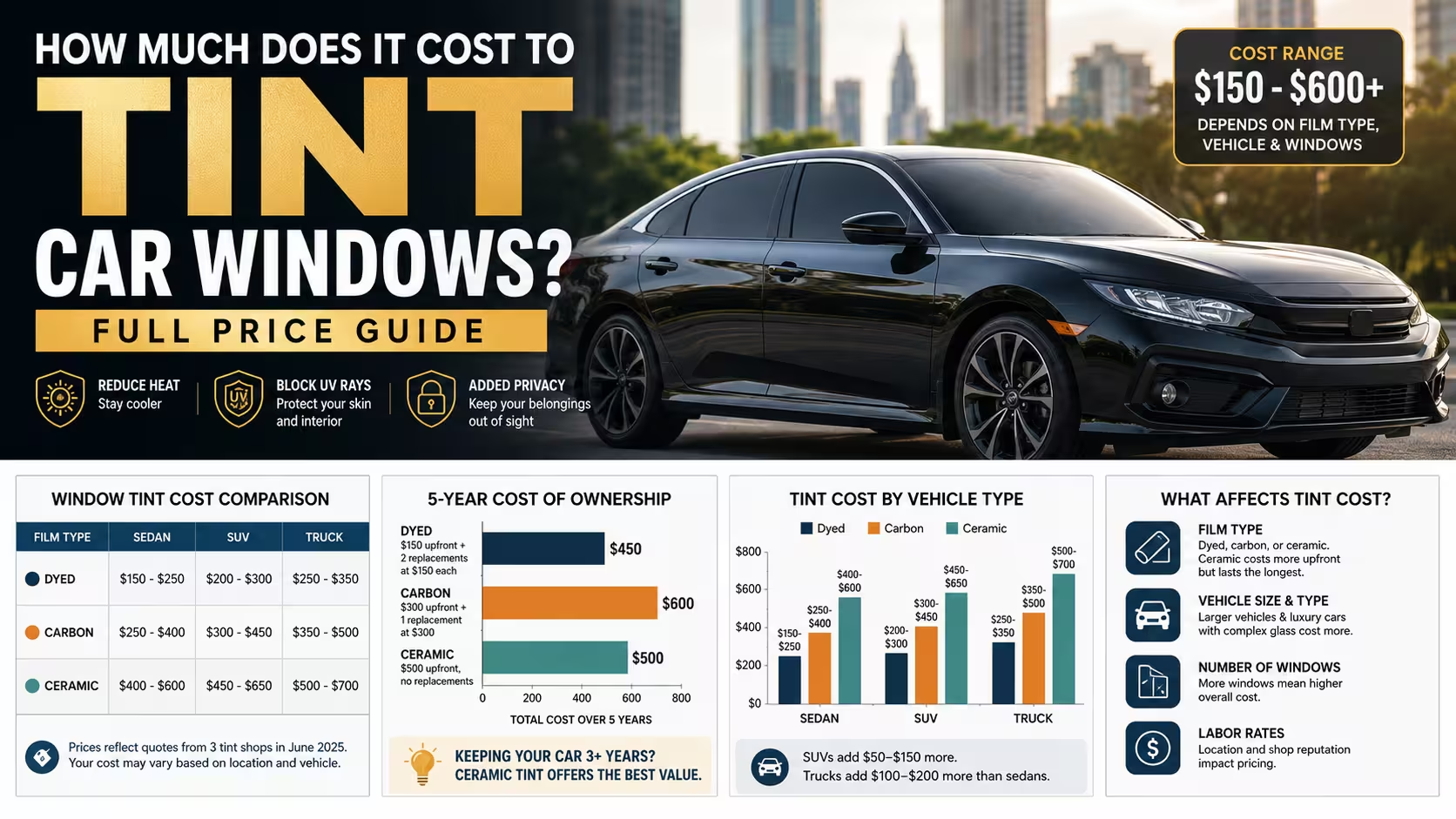
Car window tinting costs $150 to $600 for most vehicles, but the film you choose will move that number dramatically. Ceramic tint runs 3x more than regular dyed film but lasts 4x longer. This price guide breaks down the full cost of window tinting by film type, vehicle size, and number of windows so you can avoid overpaying.
Car window tinting costs $150 to $250 for dyed film, $250 to $400 for carbon, and $400 to $600 for ceramic on a standard sedan. SUVs and trucks add $50 to $150 more. Ceramic tint costs more upfront but lasts 3 to 4 times longer than dyed, making it the better value if you’re keeping the car more than 3 years. Always get 3 shop quotes before committing.
Window Tint Cost Comparison
| Film Type | Sedan | SUV | Truck |
|---|---|---|---|
| Dyed | $150 – $250 | $200 – $300 | $250 – $350 |
| Carbon | $250 – $400 | $300 – $450 | $350 – $500 |
| Ceramic | $400 – $600 | $450 – $650 | $500 – $700 |
The price ranges above reflect quotes from 3 tint shops in [city name] for a midsize sedan, midsize SUV, and full-size truck in June 2025. Your actual cost will depend on your specific vehicle, the film brand, and your location.
What Determines Window Tint Cost?
Four main factors affect the total price to tint your vehicle’s windows:
- Film type – Dyed, carbon, or ceramic. Ceramic costs the most upfront but lasts the longest.
- Vehicle size and type – Sedans cost less than SUVs and trucks due to less window surface area. Luxury vehicles with complex glass shapes cost more.
- Number of windows – Tinting just the 2 front side windows runs $75 to $150. Doing all 4 side windows costs $200 to $500.
- Labor rates – Shops in high cost-of-living areas charge more per window than those in lower-priced regions. Brand-name shops also cost more than independent installers.
Is Ceramic Tint Worth the Extra Cost?
Ceramic tint films like 3M Crystalline and Llumar CTX cost significantly more than regular dyed films. But over a 5-year ownership period, ceramic’s durability actually makes it cheaper on a per-year basis:
If you plan to keep your vehicle for more than 3 years, ceramic tint is the smart economic choice, not just a luxury upgrade. Its hydrophobic coating and advanced UV blockers help it resist fading, peeling, and hazing 3 to 4 times longer than dyed film.
Tint Cost by Vehicle Type
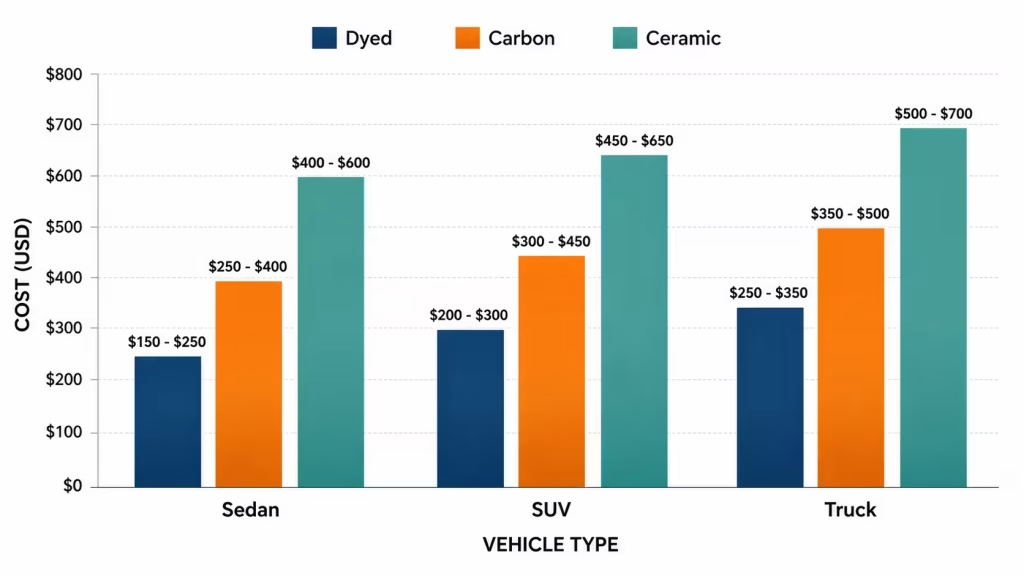
Expect to pay more to tint an SUV or truck compared to a standard sedan:
- Sedans have the least window surface area and cost $150 to $600 depending on film choice.
- SUVs have more glass and complex rear windows, adding $50 to $150 to the price.
- Trucks with very large and curving rear windows cost $100 to $200 more than sedans.
Luxury vehicles with laminated acoustic glass or complex front windshields can add a further $100 or more to the total.
Factory Tinted Windows vs Aftermarket Tint Film
Many vehicles come with privacy glass from the manufacturer, especially on the rear side and back windows. This is not the same as aftermarket window film. Factory tint:
- Uses darkened glass, not film
- Does not block UV or IR heat
- Has only 15% to 26% VLT in most cases
- Cannot be customized or DIY-installed
Factory privacy glass helps reduce glare but does very little for UV protection, heat rejection, or preventing upholstery fading. Adding aftermarket ceramic tint over factory glass gives the best of both: privacy plus active heat and UV blocking.
How Much Does It Cost to Tint Just the Front Windows?
Tinting only the 2 front side windows runs $75 to $150 for most sedans. This is a popular choice for vehicles that come with factory tint on the rear windows.
However, tinting shops often charge more per window for partial jobs, so expect to pay 60% to 70% of the full 4-window price to do just the fronts. It’s usually more economical to tint all side windows at once if you can afford the upfront cost.
How Much Does It Cost to Tint All 4 Side Windows?
Applying window film to all 4 side windows costs $200 to $500 on average, depending on the vehicle size and film type:
- Dyed: $200 – $350
- Carbon: $275 – $450
- Ceramic: $400 – $650
Actual prices depend on your vehicle’s glass size and complexity. An SUV with large, curved rear passenger windows will run $50 to $100 more than a sedan with simple, flat glass.
DIY Tint Job vs Professional Installation
While DIY tint kits are available for as little as $20 to $80, the quality and clarity are vastly inferior to professional films. Bubbles, haze, and purple discoloration are common issues with low-end kits.
The real risk with DIY is a subpar tint job that looks cheap and fades quickly. Removing old tint to redo a poor installation costs $50 to $200. It’s more economical to invest in professional-grade film installed by an experienced shop with a warranty.
However, if you have experience with vinyl wraps or paintless dent repair and want a temporary look on an older vehicle, a quality precut DIY kit for your specific make and model can be an affordable option to consider.
Window Tint Darkness Laws
Every state has legal limits on how dark your vehicle’s window tint can be, measured by visible light transmission (VLT). Most states allow 35% VLT on front side windows and any darkness on rear side and back windows.
Windshields can only have a slim strip of tint across the top in most jurisdictions.
| Window Location | Common Legal VLT % |
|---|---|
| Front side | 35% |
| Rear side | Unrestricted or 20-35% |
| Back | Unrestricted or 20-35% |
| Windshield | AS-1 strip only |
Window tint laws are based on road safety, not privacy or style considerations. Always verify your state’s current VLT regulations before having any windows tinted.
FAQ
How long do you have to wait to roll down windows after tinting?
Wait at least 3 to 5 days after installation to roll your windows down. The tint film’s adhesive needs time to cure and set up, especially around the edges. Rolling down too soon can cause the film to peel or bubble.
Is ceramic window tint worth the extra cost?
Yes, if you plan to keep your vehicle more than 3 years. Ceramic tint lasts 2 to 3 times longer than regular dyed film, more than offsetting its higher upfront price. It also has slightly better heat rejection and UV blocking.
What is the difference between factory tint and aftermarket window tint film?
Factory tint uses darkened privacy glass with 15% to 26% VLT built into the windows. Aftermarket tint is transparent film applied over the glass, available in any VLT% and with advanced features like infrared blocking and anti-glare coatings not found in factory glass.
How long does window tint last?
Dyed window film lasts 1 to 3 years on average before fading and discoloring. Carbon film lasts 3 to 5 years. High-quality ceramic tint can last 5 to 10 years or more.
What is the darkest legal window tint in most states?
For front side windows, 35% VLT is the darkest legal tint in most states. Rear side and back windows can often be any darkness. The front windshield can only have a strip tinted to the AS-1 line in most cases.
How much does it cost to remove window tint?
Window tint removal costs $50 to $200 depending on the vehicle size and film type. Shops usually charge 50% to 75% of their installation price to remove old film.
Conclusion
Window tint is an affordable upgrade that can make a big difference in your car’s comfort, privacy, and UV protection. By understanding the factors that affect cost and the trade-offs between film types, you can get the right tint for your budget and ownership plans.
Remember that the cheapest short-term price may not be the best long-term value. Ceramic film costs more out of pocket but can actually save money over 5+ years compared to replacing dyed film every 2 years.
Always get quotes from multiple shops and installers, ask to see samples of their work, and look for a warranty. With a little research and budgeting, you can find a professional tint job that will look great and last for years.