How Much Does Fence Installation Cost? (2026 Price Guide)

Professional fence installation costs $1,800 to $7,500 in 2026. Most homeowners spend an average of $3,850 for a 150-foot backyard. Total costs range from $18 to $52 per linear foot based on material, labor rates, yard slope, and soil conditions.
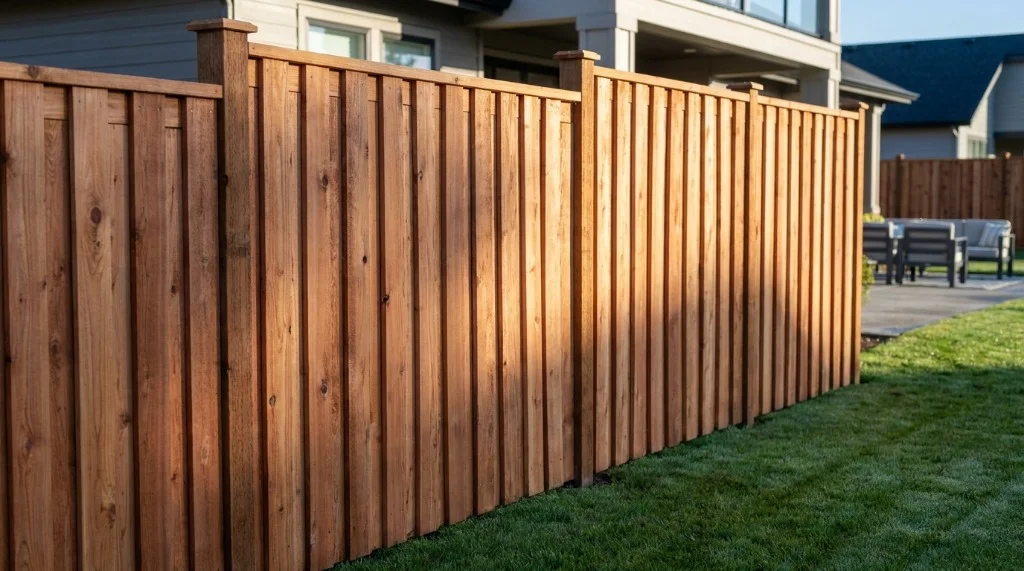
A new fence sets clear property lines, protects pets, and adds privacy from neighbors. Building a fence means balancing material lifespan with upfront cost. Budget chain link delivers basic perimeter security at low cost, while wood and vinyl privacy panels create complete outdoor seclusion.
Total Cost Breakdown: What Is the Average Cost to Install a Fence in 2026?
A new fence costs $18 to $52 per linear foot for standard materials. Chain link starts at $12 per foot. Premium aluminum and steel reach $65 to $85 per foot. Materials make up forty-five percent of your bill. Labor accounts for fifty-five percent.
| Fence Material Type | Material Cost per Foot | Labor Cost per Foot | Total Installed Cost per Foot | Average Lifespan |
|---|---|---|---|---|
| Galvanized Chain Link | $7 to $14 | $5 to $14 | $12 to $28 | 20 to 30 Years |
| Pressure-Treated Pine | $9 to $18 | $9 to $22 | $18 to $40 | 15 to 20 Years |
| Western Red Cedar | $14 to $26 | $11 to $22 | $25 to $48 | 20 to 25 Years |
| Vinyl / PVC Privacy | $16 to $34 | $12 to $28 | $28 to $62 | 25 to 35 Years |
| Ornamental Aluminum | $18 to $35 | $14 to $30 | $32 to $65 | 30 to 50 Years |
| Wrought Iron / Steel | $22 to $45 | $16 to $40 | $38 to $85 | 30 to 50+ Years |
Labor costs depend on local contractor rates, soil density, and yard access. Contractors in metropolitan areas bill twenty to thirty percent higher hourly rates than rural crews, and excavating through dense clay, subterranean rock, or tree roots adds machinery surcharges to your final invoice.
Fence Installation Cost by Project Size and Yard Perimeter
A 100-foot fence run costs $1,800 to $4,500 installed, while a typical 150-foot backyard fence costs $2,800 to $7,500. Enclosing 200 linear feet averages $3,600 to $10,000, and a 300-foot perimeter costs $5,400 to $15,000 based on your choice of material and access gates.
| Perimeter Linear Feet | Wood Privacy (Pine/Cedar) | Vinyl / PVC Panels | Chain Link (4-Foot) | Ornamental Aluminum |
|---|---|---|---|---|
| 100 Linear Feet | $2,200 to $4,500 | $2,800 to $5,800 | $1,400 to $2,600 | $3,200 to $6,200 |
| 150 Linear Feet | $3,200 to $6,800 | $4,200 to $8,800 | $2,100 to $3,900 | $4,800 to $9,400 |
| 200 Linear Feet | $4,200 to $9,200 | $5,600 to $11,800 | $2,800 to $5,200 | $6,400 to $12,600 |
| 250 Linear Feet | $5,200 to $11,500 | $7,000 to $14,800 | $3,500 to $6,500 | $8,000 to $15,800 |
| 300 Linear Feet | $6,200 to $13,800 | $8,400 to $17,800 | $4,200 to $7,800 | $9,600 to $18,800 |
Perimeter length dictates your hardware volume. A 150-foot fence requires nineteen structural posts set eight feet apart, forty-eight horizontal rails, and approximately two hundred vertical pickets. Adding secondary access gates increases your post requirements, heavy-duty hinges, and alignment labor.
Fence Installation Cost by Material: Durability, Lifespan, and Maintenance
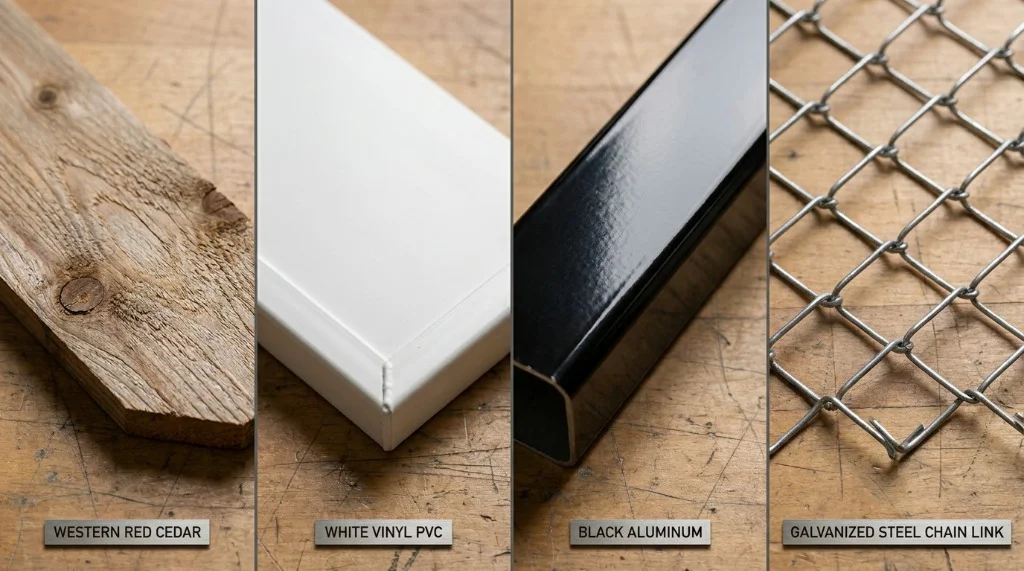
Material choice drives over half your total fence budget. Chain link offers the lowest cost per foot for basic pet containment. Cedar wood provides natural warmth at fair prices. Vinyl and aluminum skip painting and maintenance for decades.
Chain Link Fencing ($12 to $28 per linear foot)
Galvanized chain link costs $12 to $22 per foot installed for four-foot heights. Six-foot black vinyl chain link costs $18 to $28 per foot. Vinyl coating seals the steel core, stops rust, and blends into tree lines. For open acreage or wildlife protection, compare this option against our low-cost fishing line deer fence design.
Wood Fencing ($18 to $48 per linear foot)
Pressure-treated pine costs $18 to $35 per linear foot installed, while Western red cedar runs $25 to $48 per foot installed. Pine resists insects and fungal rot, but warps if left unsealed under summer heat. Cedar contains natural tannins that block insects and moisture without chemical preservatives. Review our detailed wood fence cost guide for picket profile comparisons.
Vinyl and PVC Fencing ($28 to $62 per linear foot)
Vinyl privacy fencing costs $28 to $62 per foot installed. PVC vinyl panels never split, rot, or peel. Makers blend titanium dioxide into the resin to block sun rays and yellowing. Vinyl panels need no staining or sealing. An annual rinse with a garden hose restores the bright finish. This makes vinyl a solid long-term investment despite higher initial costs.
Ornamental Aluminum Fencing ($32 to $65 per linear foot)
Ornamental aluminum fences cost $32 to $65 per foot installed. Aluminum never rusts. It is the top choice for pool barriers and coastal yards. Powder coatings resist chips and fading. Pickets come in flat top, spear point, or decorative tips. They match wrought iron looks at half the weight.
Wrought Iron and Steel Fencing ($38 to $85 per linear foot)
Steel and wrought iron cost $38 to $85 per foot installed. Heavy tubular steel provides maximum perimeter strength against vehicle impacts and intruders. While raw iron requires rust scraping and primer coats every five to seven years, modern powder-coated steel panels cut down on this maintenance.
Invisible and Electric Pet Containment ($250 to $2,800 Total System)
When HOA rules ban physical barriers, underground radio fences secure pets for $250 to $2,800 total. Buried copper loops broadcast radio signals to pet receiver collars at property edges. Read our complete electric invisible fence cost guide for acreage pricing and installation details.
Hidden Site Factors That Inflate Contractor Quotes
Site obstacles raise contractor quotes by fifteen to thirty-five percent over flat yard rates. Steep slopes, buried rock, tree roots, and old fence haul fees add equipment costs and crew hours. Spotting these issues before getting bids protects your budget.
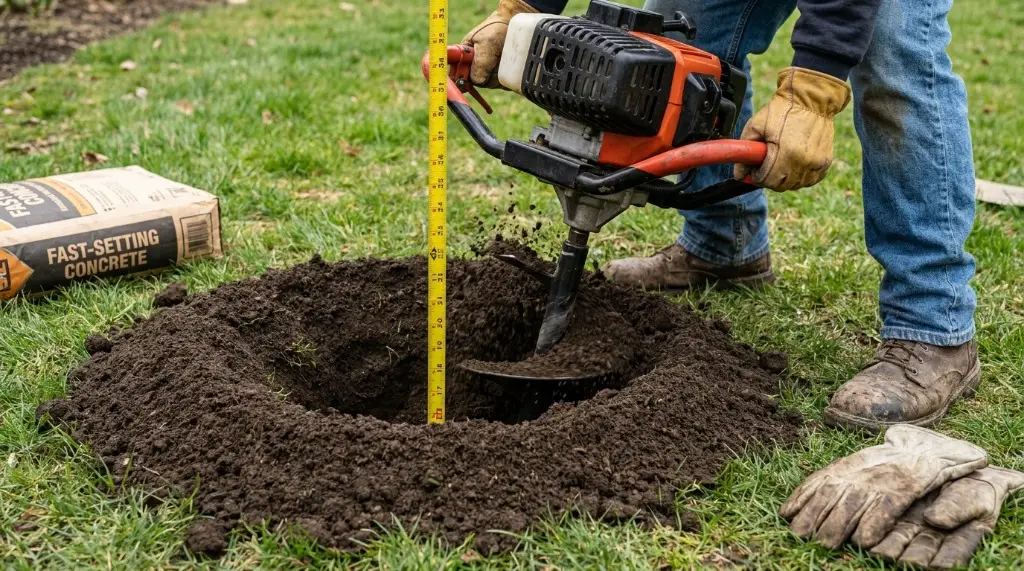
Always call 811 to mark underground public utility lines before digging any post holes. Digging post holes in rocky soil requires heavy hydraulic machinery. When augers strike limestone shelves or buried boulders, crews switch to pneumatic jackhammers or skid-steer drill attachments. Contractors bill a hard-dig surcharge of $10 to $25 per hole. Installers must protect root systems when digging holes near mature shade trees. Review our guide on protecting tree health to prevent root severed shock.
Frost depth dictates post life in cold climates. Post holes must extend six inches below local frost lines, usually thirty-six to forty-eight inches deep in northern states. Cone-shaped holes push concrete footings up during winter frost cycles. Pros dig straight cylinder holes with three inches of gravel at the base for drainage.
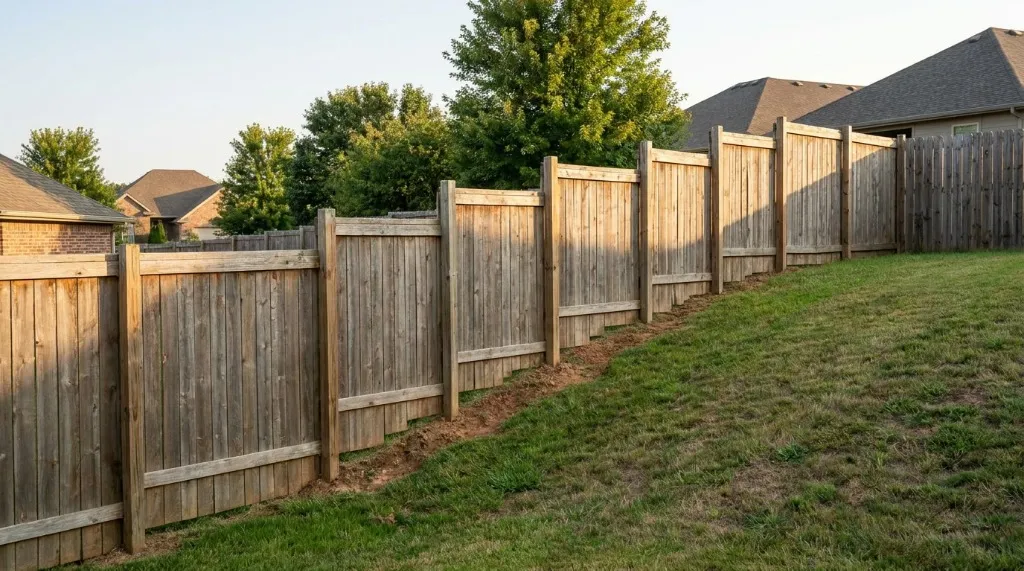
Installing perimeter fencing along hillside terrain requires two distinct structural methods: stepped panels or racked contour pickets. Stepped fencing keeps panel tops level while stepping down like stairs. This creates triangular gaps under panels where small pets escape. Racking fences angles the rails to follow the ground contour. This keeps pickets flush to the ground. Custom racking labor adds $3 to $8 per linear foot.
Tearing down an old fence adds $3 to $6 per linear foot. Hauling away heavy concrete post footings and rotten cedar boards requires dedicated roll-off dumpster rentals costing $350 to $550. Save money by taking down wood pickets yourself before the crew arrives.
Gate Installation Costs: Preventing the 6-Month Gate Sag Syndrome
A standard four-foot walk gate costs $250 to $650 installed, while a ten-foot double driveway gate costs $600 to $1,800. Gates represent the primary mechanical failure point on any fence line because heavy wood doors sag within months without steel truss kits and dedicated 6×6 hinge posts.
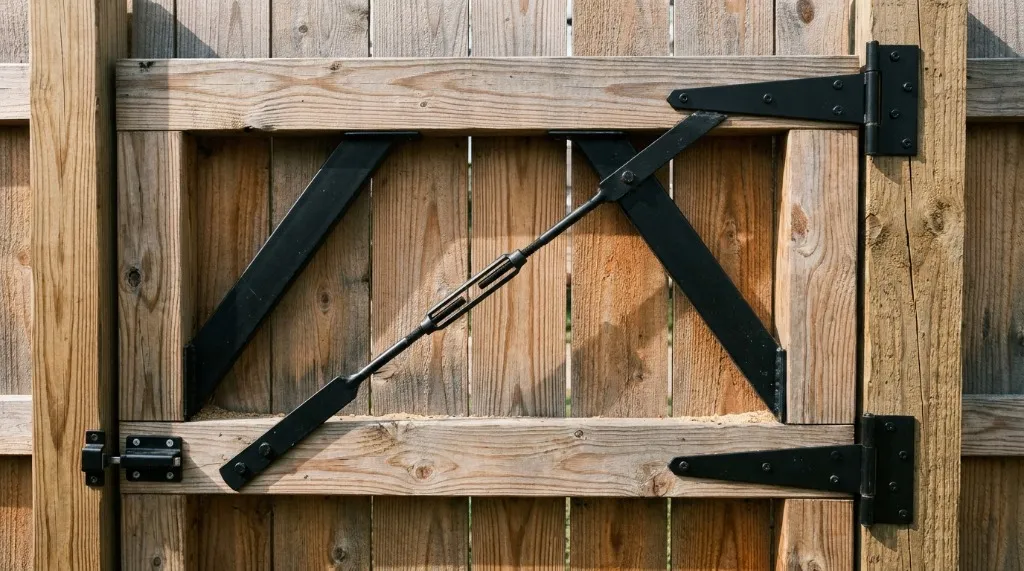
Gravity and rain pull standard wood gates out of square. When a gate frame lacks diagonal bracing, the outer corner drops and scrapes against grass. This leads to latch misalignment. Mount heavy gates on dedicated 6×6 posts set forty-eight inches deep in concrete. Standard 4×4 posts flex under the weight of wide wood gates.
Installing a steel anti-sag truss stops frame sag permanently. Turnbuckle cables pull the bottom corner up toward the top hinge. When humid air swells the wood, a quick turn of the turnbuckle restores alignment in seconds.
DIY vs Professional Installation: Where Do the Savings Actually Disappear?
Building a fence yourself cuts project costs forty to fifty percent by skipping contractor labor. A DIY 150-foot cedar fence costs $1,800 to $3,200 in materials. Equipment rentals, concrete supplies, waste removal, and thirty hours of intense manual labor consume a portion of these projected savings.
DIY builders often overlook tool costs. Digging twenty post holes with a hand digger takes days of exhausting work. Renting a gas post auger costs $90 to $130 per day. You also need a concrete mixer, pneumatic nail gun, circular saw, and laser level. Purchase tools or prepare garden grading equipment as detailed in our guide on rear tine tiller operation.
Alignment errors ruin DIY fence lines. If a corner post leans before concrete sets, pre-built panels will not fit. Pro crews finish a 150-foot fence in one to two days. They provide structural warranties that DIY builds lack.
How to Evaluate Contractor Quotes and Avoid Lowball Scams
Review contractor bids by demanding written line items for post spacing, concrete volume, hole depth, and fastener types. Lowball quotes often hide shortcuts like spacing posts ten feet apart. These contractors skip concrete footings or use cheap interior drywall screws that rust within months.
Always verify post spacing on your written estimate. Standard privacy panels require posts spaced six or eight feet apart on center. When budget contractors stretch post spans to ten feet to save on digging, the extended horizontal rails sag under seasonal wind pressure.
Inspect outdoor fastener specifications on any contractor proposal. Wood fences need hot-dipped galvanized or coated exterior screws. Cheap electro-galvanized screws corrode quickly. These fasteners cause black tannin streaks on fresh cedar boards. Ensure contracts specify two bags of fifty-pound concrete per post.
Recommended Fencing Hardware and Installation Upgrades
Reader Disclosure: This section contains affiliate links. If you purchase hardware through these links, we earn a commission at no extra cost to you. We recommend verified, heavy-duty building components tested for longevity and outdoor durability.
Upgrading key hardware prevents early fence failure. These four field-tested tools fix gate sag, post drift, and rust across DIY and pro builds.
1. Best Gate Truss System: Adjust-A-Gate Steel Gate Frame Kit
The Adjust-A-Gate Steel Gate Kit replaces weak wooden internal gate frames with a heavy-duty telescoping steel structure. It fits openings from thirty-six to seventy-two inches wide and includes a diagonal truss cable. The powder-coated steel prevents warping. This ensures your gate opens smoothly every season.
2. Heavy-Duty Post Digging Tool: Fiskars Manual Steel Post Hole Digger
For setting posts in tight property corners where power augers cannot reach, the Fiskars Steel Post Hole Digger provides exceptional leverage. Steel blades slice through thick sod and clay roots, while offset handles protect hands inside deep holes.
3. Structural Rail Connectors: Simpson Strong-Tie Galvanized Fence Brackets
Toe-nailing wood rails directly into posts causes splits. Secure your horizontal 2×4 rails using Simpson Strong-Tie Galvanized Fence Brackets. These steel brackets have thick zinc coatings that resist rust and keep fence sections rigid in high winds.
4. Hands-Free Alignment Tool: Empire Magnetic Post Level
Setting posts plumb requires checking two angles at once. The Empire Magnetic Post Level wraps around any wooden or metal post with an elastic strap. This leaves your hands free to adjust bracing and pour concrete. Three vial windows allow fast plumb checks from any angle.
Frequently Asked Questions About Fence Installation Costs
What is the cheapest fence to install per linear foot?
Galvanized chain link is the most affordable fence. It costs $12 to $22 per linear foot installed. If you want privacy on a tight budget, pressure-treated pine costs $18 to $35 per foot.
How much does 150 feet of wood privacy fence cost installed?
A 150-foot wood privacy fence costs $2,800 to $6,800 installed. Pine sits at the lower end from $3,200 to $4,500. Cedar with custom gates averages $4,800 to $6,800.
Do I need a property survey before building a fence?
Yes. An official boundary survey costs $350 to $750 and pinpoints your exact legal property line pins. Building even two inches on a neighbor’s lot leads to legal disputes and costly tear-down orders.
How deep should fence posts be set in concrete?
Dig post holes to a depth of one-third to one-half the total fence height. A standard six-foot privacy fence requires posts buried twenty-four to thirty-six inches deep. Post holes must extend at least six inches below your local winter frost line.