Sustainable Teak Furniture: When It Is Worth the Investment
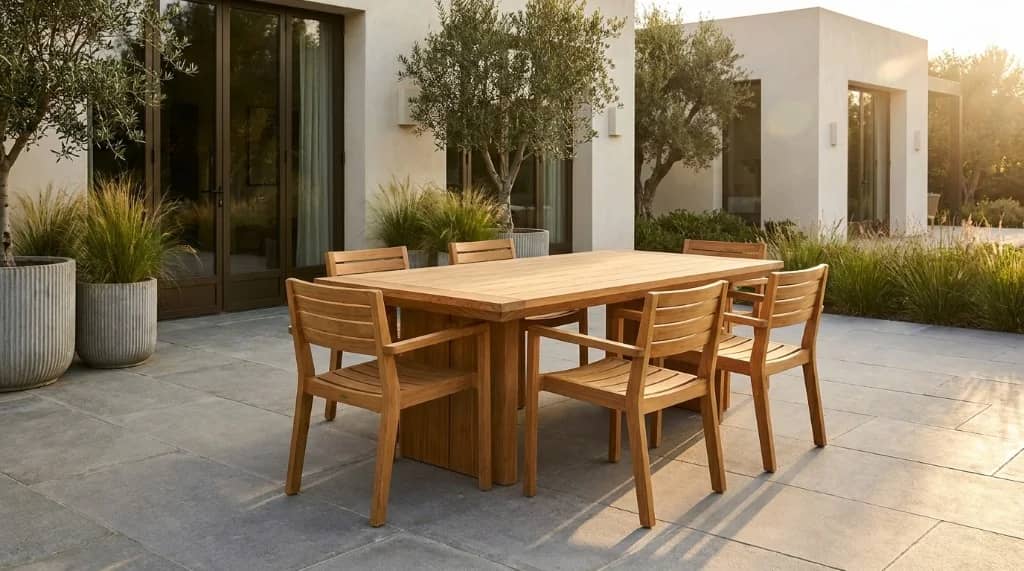
Sustainable teak justifies its price outdoors. It thrives in open sun and rain. Its dense grain and natural oils stop wood rot. It lasts fifty years without chemical seals. For covered porches or tight budgets, domestic hardwoods offer better value. Recycled aluminum is also practical.
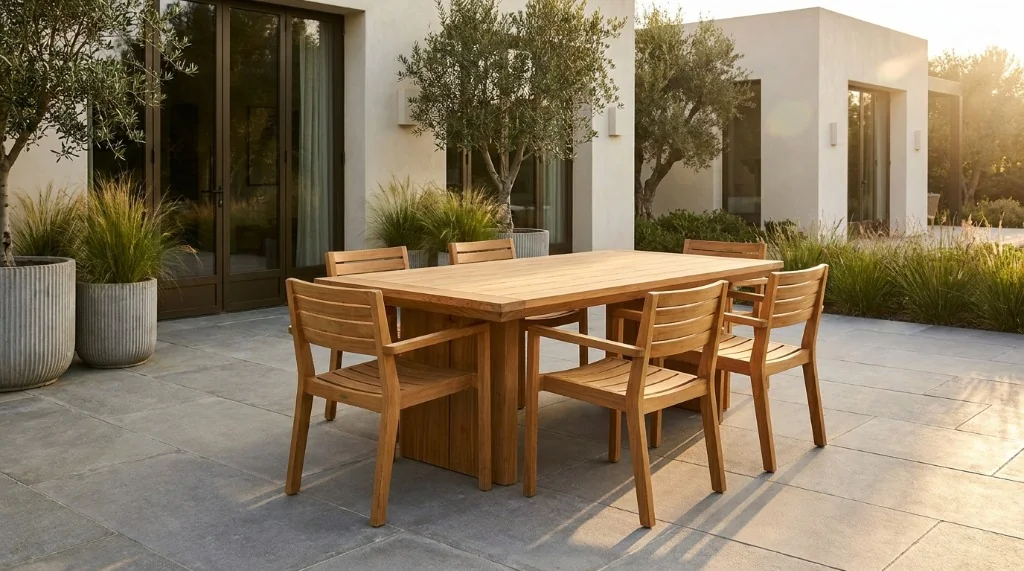
Teak holds a legendary reputation across boatbuilding and patio design. Yet the modern timber market presents serious quality traps. Fast-grown sapwood sold as teak collapses within ten years. Illegal logging in wild rainforests also drives severe habitat loss. Find heirloom pieces with care. Check wood grading, legal forestry seals, and marine hardware. Read our sustainable furniture buying guide to see how tropical wood fits into home planning.
When Sustainable Teak Justifies the Premium Price (and When to Skip It)
Sustainable teak delivers unmatched value in harsh outdoor areas. Hot sun, rain, and ocean air destroy regular wood in seven years. You pay more upfront. Yet you stop buying replacement furniture every few seasons.
Uncovered coastal patios represent the best place for solid teak. Salt spray quickly ruins ordinary finishes and rusts cheap screws. Teak holds water-repellent oils. Silica minerals sit locked inside wood pores. These natural traits stop cupping, surface cracks, and rot. Humid rooms also benefit from teak. Steam showers and master baths stay mold-free. Wet conditions cause softer woods to swell and grow black mold.
Skip teak under dry porch roofs. Regular hardwoods perform well there for less money. Under permanent shelter, standard durable domestic hardwoods like white oak and black walnut perform reliably at half the price. Renters and frequent movers should also skip heavy teak tables. Mature heartwood weighs forty-three pounds per cubic foot. Moving an eight-person teak table takes two strong adults. Dense timber is heavy. For mobile lifestyles, recycled aluminum delivers weatherproof strength with minimal weight.
50-Year Cost-Per-Year Math: Teak vs. Acacia, White Oak, and Aluminum
Lifetime cost math favors certified Grade A teak. It costs less per year than budget timber. Durability and replacement cycles expose the true price of disposable furniture.
| Material Type | Upfront Purchase Cost (6-Person Set) | Realistic Outdoor Lifespan | Required Seasonal Maintenance | 50-Year Replacement Cycles | Total 50-Year Expense (Adjusted) | True Cost Per Year |
|---|---|---|---|---|---|---|
| Grade A Sustainable Teak. | $3,400. | 50+ Years. | Annual soapy wash. | 0 Replacements. | $3,400. | $68 / year. |
| Budget Acacia Wood. | $850. | 5 to 7 Years. | Annual sanding and resealing. | 7 Replacements. | $5,950. | $119 / year. |
| Quarter-Sawn White Oak. | $2,200. | 20 to 25 Years. | Bi-annual oil finish. | 1 Replacement. | $4,400. | $88 / year. |
| Extruded Powder-Coated Aluminum. | $1,800. | 15 to 20 Years. | Mild seasonal rinse. | 2 Replacements. | $5,400. | $108 / year. |
| Pressure-Treated Softwood. | $450. | 4 to 6 Years. | Annual chemical stain. | 8 Replacements. | $3,600. | $72 / year. |
Budget woods like acacia degrade fast when exposed to persistent rain. Acacia contains water-soluble tannins and low natural resin. Without frequent chemical stripping, rainwater enters grain seams and splits boards. Buying cheap patio sets repeatedly wastes thousands of dollars over fifty years. It also generates heaps of landfill trash. Solid teak furniture holds real value. It keeps sixty percent of its price on salvage markets. Review our all-weather outdoor patio furniture guide to compare framing options.
Grade A Heartwood vs. Sapwood: Why Cheap Teak Rots Outdoors
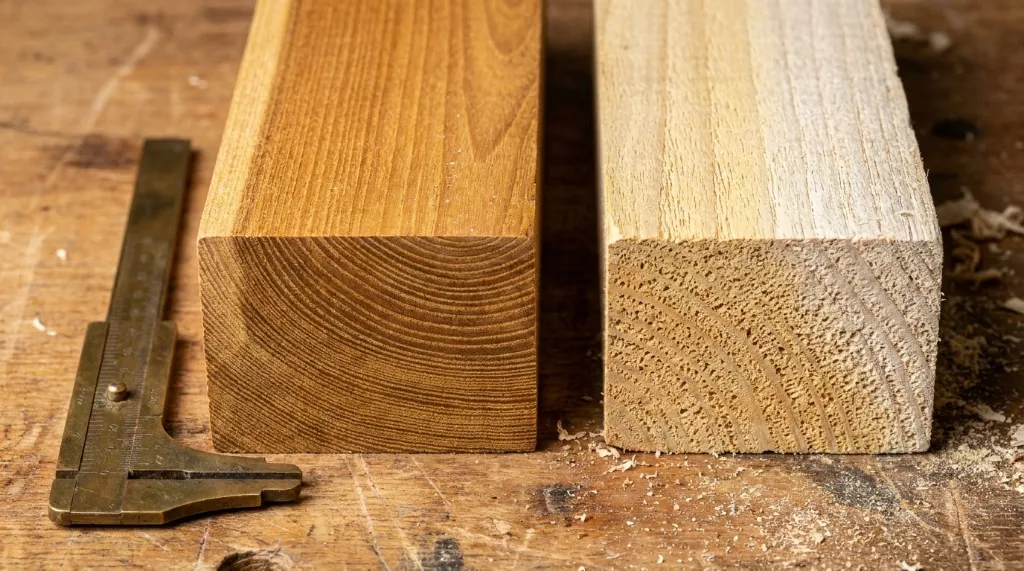
Cheap teak rots early. Factories mix soft sapwood with heartwood to reduce scrap. Grade A teak comes from heartwood. Makers harvest it from mature tree centers. This dense core holds organic oils and silica. These compounds make the wood rot-resistant.
Cellular Defense: Tectoquinone Biocide and Microscopic Silica Deposits
Teak durability rests on two natural compounds: tectoquinone and silica. Tectoquinone works like a built-in pest deterrent. This compound stops fungi and wet rot. It protects wood fibers from termites. Silica crystals form a physical shield. They stop boring insects from eating wood. Trees require forty years of growth. Only then does the inner core fill with protective oils. Young trees contain pale sapwood. These outer rings lack natural defenses.
A 4-Step Field Inspection to Detect Chemically Stained Sapwood
Shady sellers spray pale sapwood with amber stains. They mimic Grade A timber dishonestly. Follow this 4-step inspection before buying:
- Count the growth rings on table legs. Inspect the end grain. Grade A heartwood shows tight, dense rings. High-grade slow-growth teak exhibits twenty-five to forty rings per inch. Cheap sapwood shows wide rings. It counts only four to eight rings per inch.
- Press your thumbnail into an unfinished bottom surface. Dense Grade A heartwood resists dents. Soft sapwood dents easily under fingernail pressure.
- Check the wood color across all surfaces. Grade A heartwood shows an even golden-honey tone across the grain. Reject pieces with pale creamy white or chalky streaks. Those light streaks reveal outer sapwood that rots in the rain.
- Sand a hidden spot under the frame. Check wood scent and texture. Teak heartwood smells like leather. It feels silky and waxy to the touch. Dry sapwood feels chalky and odorless.
Sourcing Verification: Indonesian SVLK Plantations vs. Reclaimed Timber
Ethical teak sourcing protects wild forests. Buy only from certified supply chains. True sustainability requires government plantations or salvaged historic timber. Skip wild logging completely.
The Indonesian Plantation Standard and SVLK Legal Verification
Indonesia runs managed teak plantations. State agency Perum Perhutani oversees harvests. Founded in the nineteenth century, these plantations use fifty-year harvest cycles. The Indonesian government enforces the SVLK system. This program traces logs from forest concessions through sawmills to final export. Verified SVLK timber qualifies for FLEGT licenses under EU trade rules. It also satisfies the United States Lacey Act. Demand a valid V-Legal number from any seller claiming Indonesian teak.
Reclaimed Teak and Conflict Timber Sanctions
Reclaimed teak offers an exceptional environmental choice. Artisans dismantle historic Javanese houses and old docks. They salvage mature beams with care. This recycled timber provides tight grain and weathered charm. The wood dried decades ago, ensuring outstanding stability.
Avoid wild-logged Burmese teak from Myanmar. The military government in Myanmar controls timber sales. They use teak profits to fund conflicts. The US and EU enforce strict trade sanctions against timber from Myanmar. Buying uncertified Burmese teak risks legal penalties and drives rainforest destruction. Check our ethical furniture brand checklist to verify company sourcing claims.
Structural Joinery and Fasteners: The Hidden Points of Furniture Failure
Teak wood outlasts the metal screws that hold it together. Outdoor teak furniture relies on interlocking joinery with wood dowels. Marine-grade stainless hardware resists wood acid corrosion.
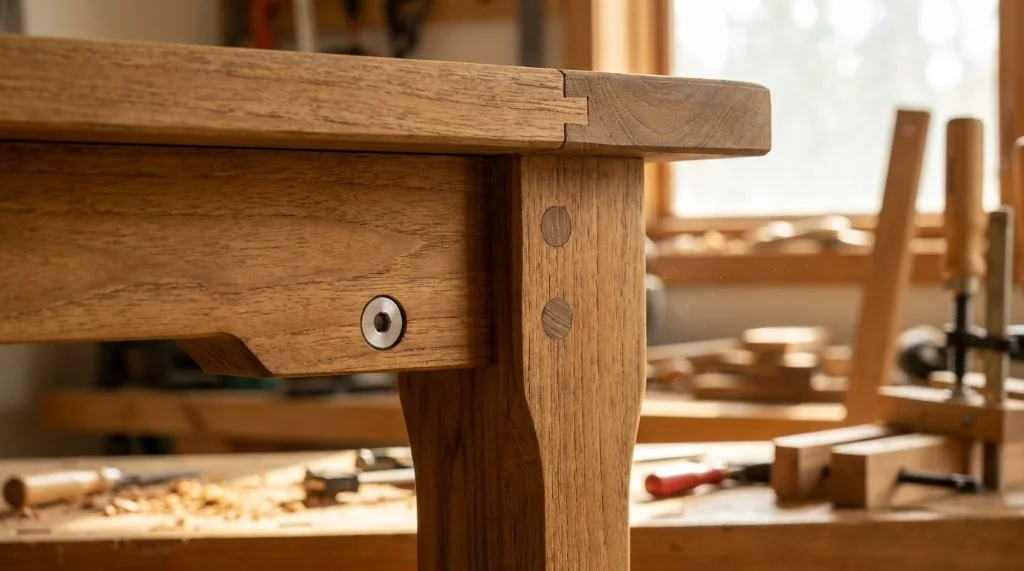
Examine joints under tabletops and along chair rails. Quality furniture uses mortise-and-tenon joints. Woodworkers carve a solid tenon on one piece. They slide it into a deep mortise pocket on the next. Pinning joints with teak dowels creates a strong bond. It moves naturally with seasonal weather shifts. Cheap mass-market brands use metal corner brackets and pocket screws. Under hot sun and rain, cheap glue dissolves. Screws pull out and frames wobble.
Fastener metals demand careful inspection. Teak contains natural tannic acids. When wet, these acids react with cheap zinc-plated screws. Corrosion creates black stains that bleed through wood around screw holes. Quality furniture uses marine stainless steel or solid brass. Marine bolts fit flush inside counter-bored holes to prevent snagged clothes. Large tabletops need expansion clips. These allow natural wood movement across wet seasons.
The Commercial “Teak Oil” Trap: Why Linseed Oil Feeds Black Mold
Commercial teak oil ruins outdoor furniture. It leaves a sticky film that feeds black mold spores. Dense heartwood holds natural oils. It needs no extra oils to survive outdoors. Adding surface oil is counterproductive.
Most store-bought teak oils contain zero oil from teak trees. Chemical makers mix linseed oil with petroleum solvents. They add heavy-metal driers. Dense teak heartwood blocks thin oils. The oil cannot soak into wood pores. The oil pools on top, creating a sticky residue.
In warm weather, this oil layer feeds mold spores. Mildew spreads across the wood. Dark mildew spots cover the sticky wood. Green algae forms within six months. Cleaning away contaminated oil demands chemical strippers and aggressive sanding. Real maintenance requires only occasional cleaning with soapy water. To keep a golden tone, apply a water-based polymer sealer. Brands like Semco work well. Polymer sealers bond to wood fibers without feeding fungal mold.
Silver-Gray Patina vs. Honey Gold: Safe Cleaning and Restoration Protocols
Untreated teak turns silver-gray in the sun. This natural patina looks elegant. This silver patina forms a shield. It protects inner wood without reducing strength.
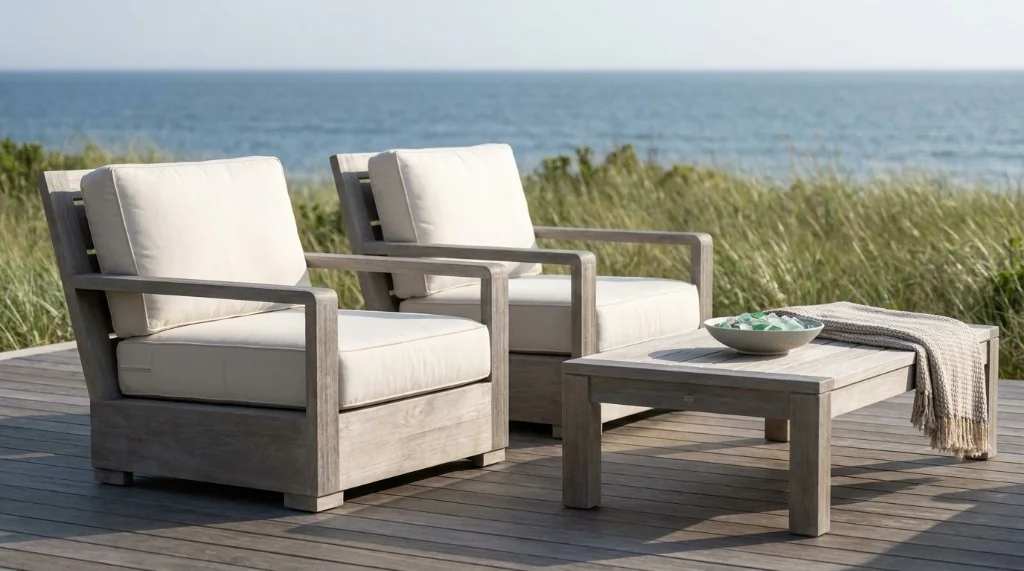
Sunlight oxidizes surface oils into a silver-gray patina. This protects heartwood without seasonal oiling. This natural process turns golden wood driftwood gray within twelve months. European parks leave teak benches bare for decades. This allows the defense layer to form. If you like the silver patina, wash it once a year. This clears dust and dirt easily.
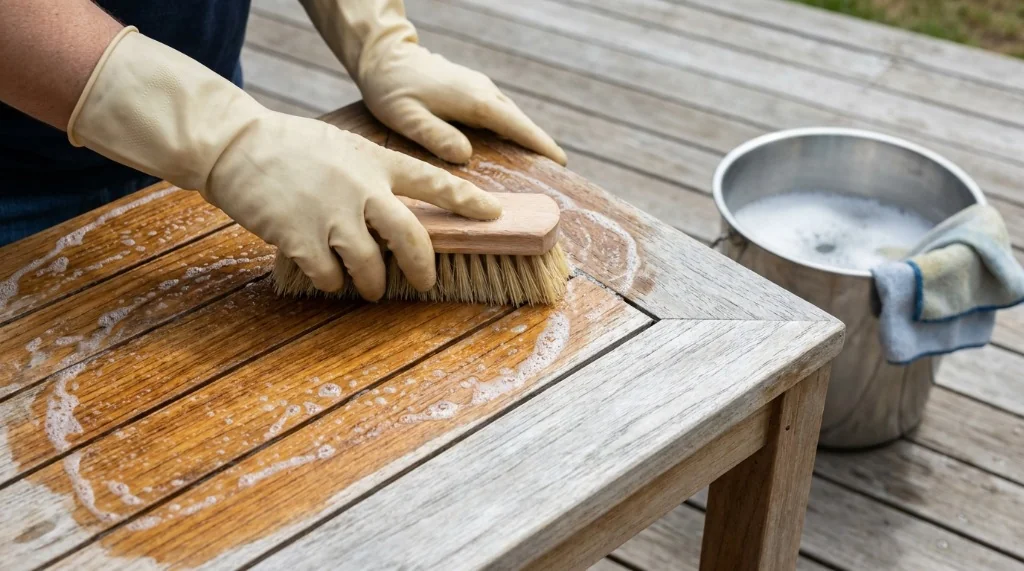
Follow this simple annual wash sequence:
- Wet the wood completely with clean water from a garden hose. Never scrub bone-dry wood.
- Mix mild dish soap into a bucket of warm water. Avoid chemical detergents. For stubborn spots, add two tablespoons of oxygen bleach powder.
- Use a soft brush. Work across the wood grain with light circular motions. Scrubbing hard along the grain tears softer earlywood fibers.
- Rinse soap away with low hose pressure. Let the wood dry in the sun for two days.
Never use high-pressure power washers on teak furniture. High water pressure shreds surface cells. Over 1,200 PSI leaves rough furrows in wood. These rough grooves trap rainwater and dirt. Restore gray wood with an oxalic acid wood brightener. Rinse well. Then apply a polymer sealer to protect golden tones.
Indoor Teak Applications: High-Humidity Bathrooms, Spas, and Japandi Living Spaces
Makers favor teak for humid bathrooms, spa rooms, and Japandi dining spaces. High dimensional stability stops wood warping. Joints stay tight where regular timber fails.
Master bathrooms place heavy moisture stress on wooden furniture. Daily hot showers push humidity past eighty percent. High humidity swells ordinary birch and poplar. Drawers stick and clear coats peel. Teak maintains a low volumetric shrinkage of only 5.4 percent. A solid teak shower bench handles wet rooms with ease. It suffers zero rot or wood movement.
In dry rooms, teak fits into warm minimalist and Japandi styles. Its golden hue adds warmth. It softens concrete floors and off-white linens. For indoor pieces, pick raw teak. Wood treated with zero-VOC hardwax oil also works well. Hardwax oils feed wood pores. They highlight natural grain without plastic shine. Read our sustainable wood furniture standards to compare species and non-toxic finishes.
Sustainable Teak Furniture Checklist: 5 Verification Rules Before You Buy
Check timber specs and certificates before buying. Inspect joint craft and surface finishes. Check these five baseline rules. They ensure your furniture protects forests and lasts for decades.
- Check product specs for Grade A heartwood terminology. Avoid vague labels like plantation timber or all-weather wood. Insist on confirmation that pieces contain zero outer sapwood.
- Ask for a V-Legal registration number. Look for an FSC certificate code on invoices. Test brand credentials with our interactive eco-furniture tool.
- Inspect metal screws and bolts. Check for 304 or 316 marine-grade stamps. Shiny, light metal signals cheap zinc plating. It rusts quickly and stains timber.
- Examine table corners and seat frames. Confirm mortise-and-tenon joints locked with round wood dowels. Reject items built solely with pocket screws or staples.
- Pick fine-sanded raw teak or timber treated with clear water-based sealers. Avoid dark brown or reddish stain coats. Heavy artificial stains often hide lower-grade sapwood patches.
Frequently Asked Questions About Sustainable Teak Furniture
Does plantation teak last as long as old-growth Burmese teak?
Forty-year plantation teak matches the rot resistance of old-growth timber. Mature trees concentrate natural tectoquinone and silica in their heartwood. This delivers fifty years of outdoor service life.
Can you keep outdoor teak golden-brown without applying commercial teak oil?
Apply a water-based polymer sealer once a year. This preserves golden tones without sticky teak oil. Polymer sealers block UV bleaching. They avoid sticky oil residues that collect dirt and feed mold.
How do you verify whether teak furniture comes from legal sources?
Check for an Indonesian SVLK V-Legal export number. Look for an FSC certificate code on invoices. These third-party credentials verify legal timber. They confirm compliance with the US Lacey Act.
Can sustainable teak patio furniture stay outside during snowy winters?
Solid Grade A teak withstands freezing ice and snow. It endures winter without cracking or rotting. Use breathable furniture covers during winter. They keep dirt and slush out of wood joints.