Sustainable Outdoor Furniture That Lasts Outside: The Weatherproof Buying Guide
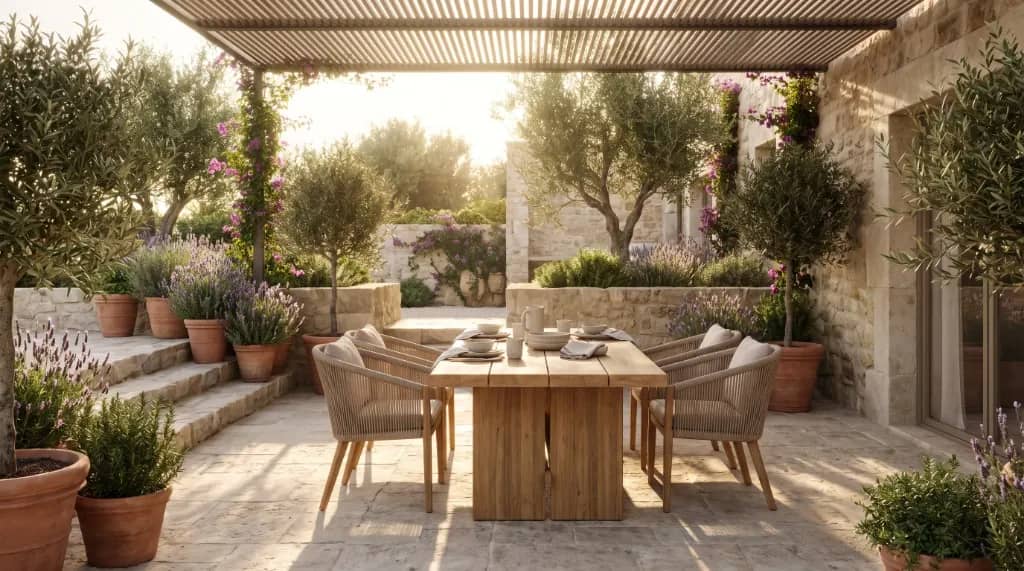
Authentic sustainable outdoor furniture uses durable materials like Grade-A teak, recycled plastic lumber, and coated aluminum. It pairs these sturdy frames with quick-dry foam cushions and stainless steel bolts. These sturdy pieces survive fifteen to thirty years of harsh sun. They endure heavy rain and winter snow without cracking.
Buying patio seating brings tough weather challenges. Indoor spaces never face these harsh forces. Indoor chairs sit safe in dry rooms. Patio sets face harsh sun. They meet heavy rain, winter frost, and damp spores. Cheap patio sets break down quickly under these outdoor forces.
Budget patio pieces land in trash heaps within three seasons. Thin steel frames rust from the inside out. Cheap plastic wicker turns brittle under direct sun. Standard cushion foam acts like a wet sponge. It absorbs water and grows smelly gray mold.
True environmental responsibility starts with long product life. Throwing away cheap patio sets creates piles of landfill trash. It burns fuel during long shipping trips. It drains your family budget too. Buying sturdy patio furniture protects the earth. It handles rain and sun while saving your wallet.
Finding great outdoor pieces takes basic product knowledge. You need to know which woods resist rot. You should know how recycled boards survive winter ice. You must also check why cushion design matters as much as frame strength.
What Makes Outdoor Furniture Truly Sustainable?
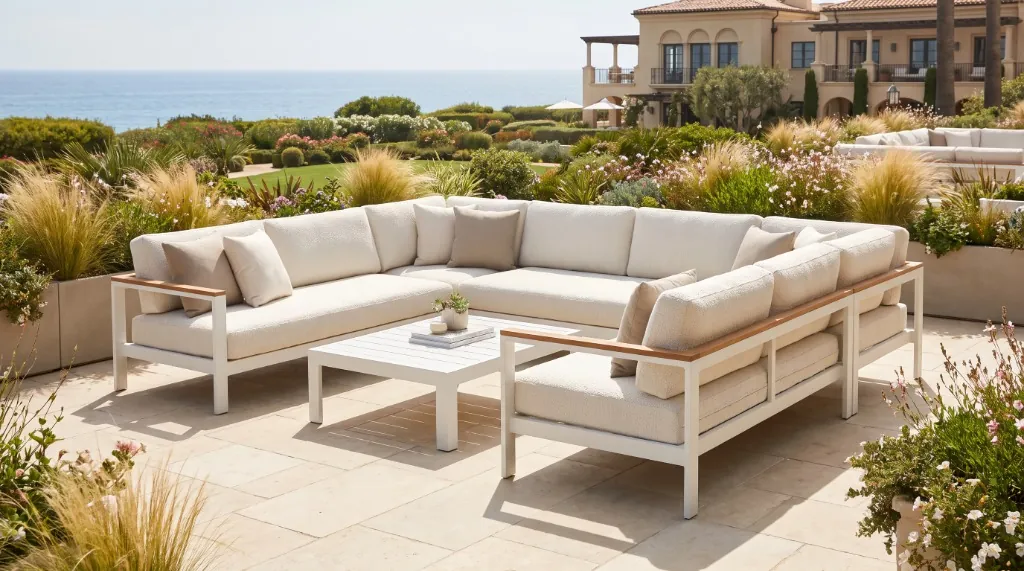
Outdoor furniture achieves true sustainability when its sturdy build lasts outside for fifteen to thirty years. True sustainability requires eco-friendly materials like FSC-certified hardwoods and recycled milk jug plastic. It uses safe powder coatings that emit zero fumes. It also uses stainless steel bolts that allow easy repairs at home.
Look past green marketing claims. Check how makers build each piece. Focus on three clear standards when you shop for patio furniture:
- Makers turn clean scrap plastic and metal into dense boards. Builders melt discarded milk jugs and bottles into dense plastic lumber. These dense boards resist rot, hungry bugs, and salty sea air.
- Forestry groups inspect wood plantations. Forest Stewardship Council audits confirm that loggers leave wild forests intact. These rules protect clean rivers. They give local sawmill workers fair wages.
- Builders assemble frames with stainless steel bolts. You can take parts apart later. Marine-grade stainless bolts never freeze in place with rust. You can swap out a cracked wood slat or worn cushion. You never need to throw the entire set away.
To furnish indoor rooms with equal care, read our guide to sustainable furniture. It covers non-toxic indoor frames and clean fabrics.
Top 4 Weatherproof Sustainable Materials Ranked
The top sustainable patio materials are Grade-A teak, recycled plastic lumber, aluminum, and cedar. These four outdoor materials resist rot and winter frost. They use rich natural oils and tough chemical bonds. Each option delivers fifteen to fifty years of active outdoor service.
Outdoor materials handle sun, rain, and cold in different ways. Here is how the top four patio materials perform in your backyard:
1. FSC Grade-A Teak (Tectona grandis)
Grade-A teak ranks as the top outdoor wood. Makers cut this wood from mature teak heartwood. The timber packs high amounts of natural rubber and silica. Natural oils seal the wood pores. They block water, rot fungi, and termites without chemical sprays. Under outdoor sunlight, honey-colored teak shifts to a soft silver tone. This gray layer acts as a natural shield against weather. Well-built teak tables last forty to fifty years outside.
2. Recycled HDPE Poly Lumber
Recycled poly lumber turns old milk jugs and bottles into sturdy outdoor planks. Makers mix melted plastic with UV blockers and color dyes before shaping boards. The color runs straight through the whole board. Unlike painted wood, poly lumber never peels, cracks, or splinters. It never absorbs puddle water. It handles freezing snow and summer heat with ease. You can wash it clean using soapy water.
3. Powder-Coated Extruded and Cast Aluminum
Aluminum offers huge benefits for patio frames. It contains zero iron. It never produces orange rust streaks on your patio stones. It is simple to recycle too. Melting scrap aluminum takes 95 percent less energy than refining raw ore. Makers bake a dry powder finish onto the metal. This coating protects the frame from scratches and sun fading for twenty-five years.
4. Western Red Cedar and Black Locust
Homeowners who prefer domestic wood can pick western red cedar or black locust. Red cedar produces natural oils that fight wood-destroying fungi and mold spores. Black locust has a dense grain that rivals teak in rot defense. Buying domestic cedar cuts shipping miles. It supports local sawmill jobs too.
The Acacia Wood Trap: Why Budget Hardwoods Often Fail Outdoors
Acacia wood often fails outside. Fast-grown plantation acacia lacks the dense natural oils found in mature teak. Rain soaks acacia boards and hot sun dries them fast. The wood swells and shrinks unevenly. This causes wide cracks, warped boards, and mold within three seasons.
Big-box stores sell acacia furniture as a cheap option. Fast-growing acacia trees grow across tropical lands. Yet their grain struggles under direct outdoor weather:
- Acacia wood expands and shrinks when humidity jumps after rainstorms.
- The timber contains few natural oils. Its grain sits open to mold spores and bugs. Only thick sealers protect the raw wood.
- Factory clear coats on budget acacia crack after ninety days of sun. Rainwater enters the cracks and rots the joints.
If you buy acacia patio furniture, commit to steady upkeep. Store pieces under waterproof covers when rain approaches. Wipe away standing puddles right away. Sand and oil the wood every four months. For easy outdoor living, pick recycled poly, coated aluminum, or teak. For indoor timber options, check our guide on sustainable wood furniture for healthy homes.
Outdoor Material Weather-Resistance Matrix
Choosing sustainable patio furniture means weighing yearly upkeep, winter freeze risk, and price. Recycled HDPE needs zero oiling and sits in deep snow without damage. Grade-A teak delivers rich natural beauty. Its sturdy joints last for decades when crafted by skilled builders.
Use this reference table to find the ideal patio material for your local weather:
| Material Type | Expected Lifespan | Maintenance Needed | Freeze & Thaw Resistance | Ideal Climate Zone |
|---|---|---|---|---|
| FSC Grade-A Teak | 30 to 50+ years | Low (annual soapy water wash) | High (stable cellular oil) | All climates, coastal marine, desert |
| Recycled HDPE Lumber | 25 to 35+ years | Zero (sponge and soap clean) | Impervious (zero moisture uptake) | Heavy snow, coastal, high humidity |
| Powder-Coated Aluminum | 15 to 25+ years | Very Low (rinse dust off) | High (no iron, never rusts) | Temperate, humid, coastal patios |
| Western Red Cedar | 15 to 20 years | Moderate (apply seal oil each year) | Moderate (keep off wet soil) | Shaded decks, dry temperate zones |
| Plantation Acacia | 3 to 7 years | High (oil every 4 months) | Poor (splits in winter frost) | Covered screened porches only |
The table shows a big difference between recycled plastic and acacia. Recycled plastic lumber absorbs zero water. Freezing ice cannot expand inside the board to cause cracks. In contrast, acacia wood soaks up water. That water turns to ice on frosty nights and splits the wood open.
Weather-Resistant Cushions: Non-Toxic Fabrics and Quick-Dry Foam
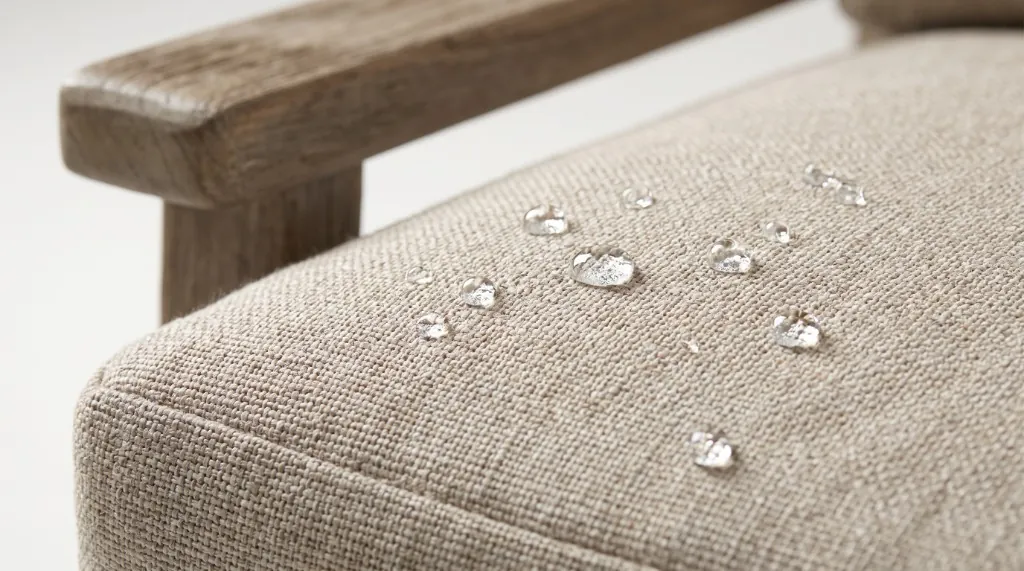
High-performance patio cushions combine solution-dyed fabrics with quick-dry foam cores. Solution-dyed fabrics lock color into the molten liquid before spinning yarn. This blocks sun fading. Reticulated open-cell foam lets rainwater drain through in minutes. This fast drainage blocks smelly mildew and black mold from forming.
A sturdy patio sofa loses its value if cushions stay soggy after storms. Budget cushions use indoor foam wrapped in polyester batting. When heavy storms hit, dense foam traps water like a sponge. Lacking bottom vents, indoor foam stays wet for weeks. Trapped water breeds dark mildew colonies inside.
Look for two key details when you pick patio cushions:
- Reticulated dry-fast foam has an open honeycomb cell shape. When rain hits this foam, water flows straight through open holes. It drains out the bottom mesh. The cushion core dries in forty-five minutes of sun.
- Solution-dyed fabrics blend color into the liquid plastic before making fiber. The dye runs deep through every thread. This build protects the fabric from sun bleaching, chlorine, and soap scrubbing.
Check that cushion covers carry OEKO-TEX Standard 100 tags. Make sure they use fluorine-free water coatings. Old fabric sealers contained harmful PFAS chemicals. These chemicals shed into garden soil during heavy downpours.
4 Construction Red Flags That Shorten Outdoor Furniture Lifespan
Before buying patio furniture, check frames for four major build shortcuts. Watch for hollow steel pipes, zinc screws, thin plastic wicker, and sealed cushion bottoms. These cheap shortcuts let water enter the core. They cause hidden rust and broken frames. They also cause smelly cushion mold after one winter.
Check candidate outdoor sets with four simple tests:
1. Hollow Carbon Steel Tubes Disguised as Aluminum
Budget brands build frames from thin steel tubing. Steel costs far less than aluminum or solid timber. Factories paint the outside, but leave the inner tube bare. Rain enters screw holes and condenses inside the pipe. The metal rusts from the inside out. Within two seasons, joints snap and drip rust water on your deck. Test the metal with a small magnet. If the magnet sticks firm, the frame has rust-prone iron steel.
2. Zinc-Plated Hardware and Galvanized Screws
Inspect bolts and screws under the frame joints. Cheap sets use zinc-plated steel screws. In outdoor dampness, thin zinc coatings fail within a year. Rust freezes screw threads in place. That stops you from tightening loose legs. Demand marine-grade 304 or 316 stainless steel bolts. These metals handle moisture and coastal salt air without pitting.
3. Flat Ribbon Polyethylene Wicker Stapled to Frames
Woven wicker looks stylish in stores. But cheap models use thin ribbons of scrap plastic stapled to frames. Strong sun breaks down weak plastic within three summers. The weave snaps and sheds sharp plastic strips across your deck. Pick thick round poly strands with built-in UV blockers. You can also pick solid wood slats.
4. Sealed Solid Cushion Undersides Without Drainage Mesh
Flip patio cushions upside down before you buy. Quality outdoor cushions feature porous mesh bottoms or brass vents so water exits quickly. If the bottom uses solid fabric, pooled rainwater stays trapped inside. That trapped water rots the foam core and ruins the zipper.
To decorate your patio with ethical artisan accents, check our list of fair trade home decor brands for rugs and planters.
Audit Your Patio Pieces with the Eco Furniture Checker
Test candidate patio sets with our free design tool before you shop. The Eco Furniture Checker reviews wood forestry tags and plastic density. It tests metal rust defenses and cushion fabric chemistry. It calculates a clear lifespan score so you make smart purchases for your home.
The tool spots hidden steel tubes. It detects raw acacia wood. It also checks if cushion foam has open drainage pores. Use it when you compare patio sets. Ensure your furniture handles rough weather. Keep cheap trash out of local landfills.
Frequently Asked Questions About Sustainable Outdoor Furniture
Homeowners often ask about winter storage steps and teak silvering. They also ask about cleaning poly lumber and using safe repellent sprays. Selecting pieces with natural wood defenses or recycled plastic cuts seasonal chores. It also protects our planet. Here are clear answers to help you pick and care for patio sets with ease.
Can you leave sustainable outdoor furniture outside during winter snow?
You can leave poly lumber and aluminum furniture outside in winter snow. Freezing weather causes no harm. Both materials absorb zero moisture, so ice cannot crack them. Store solid teak pieces under vented covers in winter. This stops grime buildup and ice buildup along table joints.
Does graying teak outdoor furniture mean the wood is rotting?
Graying teak does not mean the wood is rotting. The silver-gray color is a natural reaction to sun exposure. Sunlight breaks down surface pigment. It leaves behind silica and natural oils that defend the inner wood grain. To restore the golden hue, wash boards with mild soapy water. Then apply teak protector.
What is the most eco-friendly cushion fabric for outdoor patio chairs?
The best green cushion fabrics are solution-dyed recycled polyester and solution-dyed acrylic. Look for OEKO-TEX Standard 100 labels. Solution dyeing uses eighty percent less water than regular dyeing. It creates zero toxic wastewater. It stops sun fading for up to ten outdoor years.
How do you clean and remove pollen stains from recycled poly lumber furniture?
To clean pollen stains from poly lumber, wash boards with warm water. Use mild soap and a soft nylon scrub brush. For stubborn dark spots, mix three parts water with one part white vinegar. Let the mix sit on the stain for ten minutes. Then rinse clean with a garden hose.