Fair Trade Home Decor Brands Worth Buying: 7 Vetted Ethical Makers
Reader Disclosure: This post contains contextual affiliate links. If you purchase through them, we may earn an affiliate commission at no extra cost to you. We recommend verified home furnishings and decor based on certified fair labor audits, non-toxic material purity, and durable craftsmanship ratings.
Fair trade home decor consists of residential furnishings, textiles, and decorative accents crafted by global artisans who receive verified living wages and work in safe conditions. Independent auditing organizations verify these goods for ethical labor, zero child exploitation, and sustainable raw material sourcing like certified organic cotton, harvested mango wood, and hand-spun natural wool.
When you furnish a home, mass-market retail chains push low-cost particleboard, synthetic polyester, and mystery metal finishes. These fast-furniture items off-gas toxic chemical fumes and crack within months of normal family use. By contrast, authentic fair trade homeware supports multi-generational craft communities while introducing durable, tactile materials into your living spaces. To curate an ethical home, invest in verified artisan brands, confirm authentic fair trade credentials, and balance raw handcrafted textures against crisp architectural room finishes.
What Qualifies Home Decor as Authentically Fair Trade?
Authentically fair trade home decor requires formal certification or membership with recognized independent oversight bodies such as the World Fair Trade Organization or Fair Trade USA. These organizations audit production facilities to guarantee transparent living wages, safe working environments, equal pay, environmental protections, and zero forced labor across the entire maker supply chain.
Many mainstream retailers print deceptive hangtags featuring buzzwords like “artisan-made,” “handcrafted heritage,” or “ethically sourced.” These phrases carry zero legal weight. Without an independent third-party audit, a factory can pay sub-minimum wages in unsafe workshops while slapping an “artisan” label on the shipping box. To protect yourself and the makers, look for three recognized certification structures:
- World Fair Trade Organization (WFTO): Audits 100% of the enterprise business model against 10 strict fair trade principles, covering fair wages, environmental care, gender equality, and working conditions.
- Fair Trade Certified (Fair Trade USA): Certifies individual factory facilities and supply chains. This framework directs an additional financial premium directly into worker-controlled community development funds.
- Nest Seal of Ethical Handcraft: Focuses specifically on home workers and decentralized artisan craft cooperatives. This standard guarantees home-based safety, wage fairness, and child welfare.
True fair trade goods also safeguard domestic indoor air quality. Because artisan cooperatives rely on traditional techniques, they dye fibers with plant pigments, weave unbleached linen, spin raw wool, and craft solid native timber without the petroleum-based resins and formaldehyde adhesives common in fast furniture pieces.
7 Fair Trade Home Decor Brands with Verified Craftsmanship
The seven best verified fair trade home decor brands combine certified ethical labor with durable natural materials like wool, linen, terracotta, and solid timber. Leading makers include The Citizenry, Ten Thousand Villages, SERRV International, Armadillo, Kazi Goods, Goodee, and West Elm, offering heirloom quality decorative pieces across diverse budget tiers.
1. The Citizenry (Best for Modern Architectural Accents & Textiles)
The Citizenry pioneered direct partnerships with master craft communities across Mexico, Peru, Morocco, Vietnam, and Portugal. As a guaranteed World Fair Trade Organization (WFTO) member, the company pays twice the regional fair trade minimum wage to its maker partners.
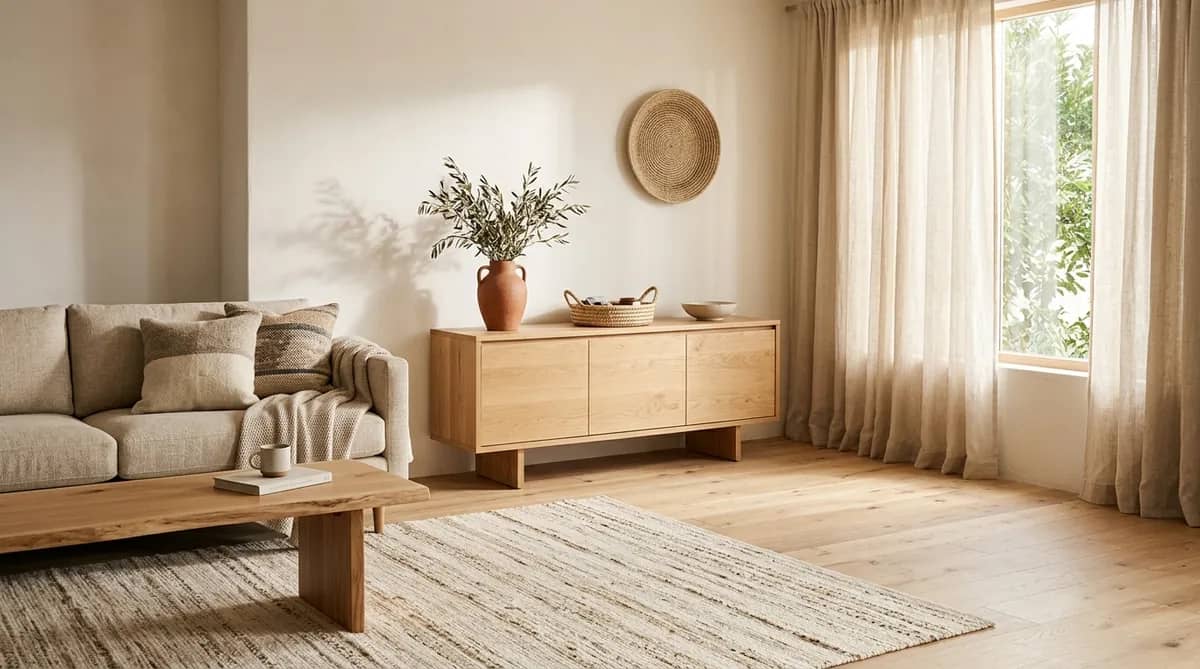
Their product catalog excels in tactile living room styling. Their hand-loomed Batan wool flatweave rugs, artisan-carved hinoki wood bath accessories, and hand-spun Peruvian alpaca wool throw blankets showcase museum-grade craftsmanship. Each product page lists the exact workshop location, maker cooperative name, and days spent weaving each piece. Their stoneware planters and hand-cast bronze hardware add refined organic character to minimalist sideboards.
- Price Point: $65 to $1,400
- Primary Materials: Peruvian alpaca, Oaxacan wool, Turkish organic cotton, Japanese hinoki cypress
- Core Certifications: WFTO Guaranteed Member
2. Ten Thousand Villages (Best for Handcrafted Ceramics & Functional Tabletop Decor)
Founded in 1946 by Edna Ruth Byler, Ten Thousand Villages launched the modern fair trade homeware movement. As a founding member of the WFTO, this nonprofit retailer maintains long-term trade partnerships with over 20,000 makers across 30 developing nations.
Their collection offers exceptional value for budget-conscious decorators seeking distinctive focal items. You will find hand-thrown terracotta outdoor planters from Bangladesh, pierced brass tea light lanterns from India, and trivets constructed from upcycled sari fabrics. Their unglazed clay bread warmers and hand-chiseled soapstone bookends add functional, earthy character to kitchen open shelving and office desks.
- Price Point: $18 to $250
- Primary Materials: Terracotta clay, soapstone, recycled brass, natural jute fiber
- Core Certifications: WFTO Founding Member
3. SERRV International (Best for Hand-Carved Mango Wood & Heritage Baskets)
Operating as a nonprofit organization since 1949, SERRV International partners with small-scale artisan cooperatives and community farm collectives across Africa, Asia, and Latin America. Their business model provides pre-harvest crop financing and advance payments to help artisan workshops buy raw timber and fibers without debt.
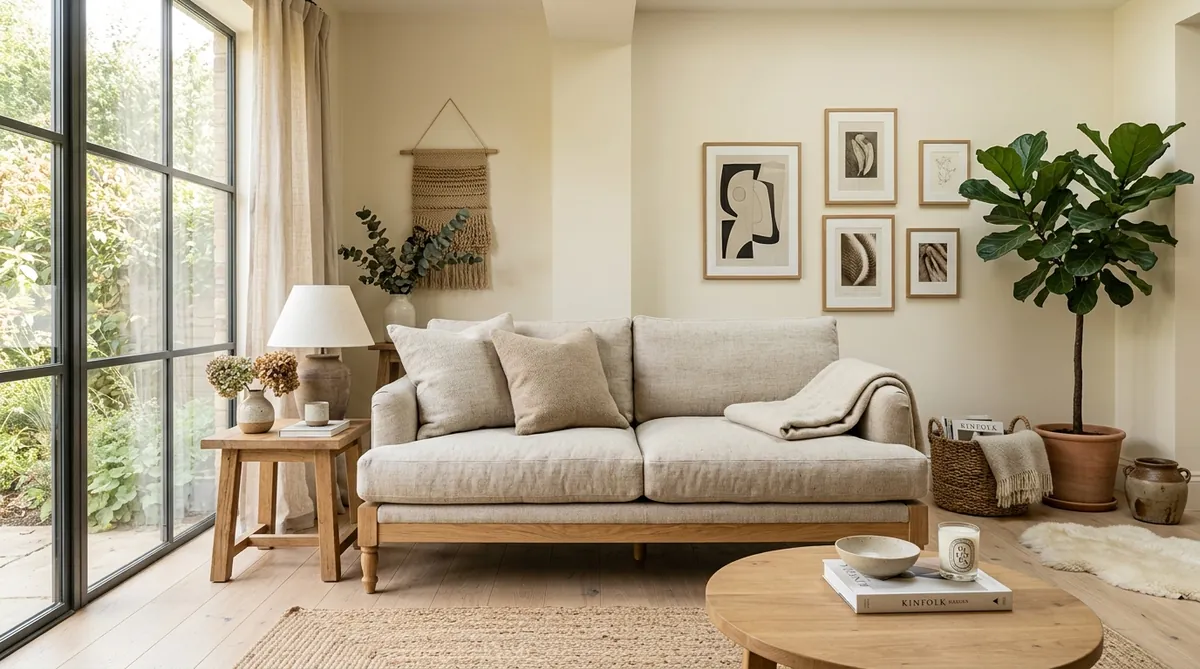
SERRV stands out for wood turnery and heavy woven storage. Their artisans create food-safe hand-carved solid mango wood bowls and serving platters from fallen, orchard-cleared mango branches, finishing each piece with cold-pressed natural mineral oils. Their handwoven kaisa grass laundry hampers and bankuan storage baskets withstand years of daily use while hiding clutter in busy family entryways.
- Price Point: $24 to $320
- Primary Materials: Pruned mango wood, kaisa grass, river reed, hand-painted ceramics
- Core Certifications: WFTO Member, Fair Trade Federation (FTF)
4. Armadillo (Best for Luxury Natural Fiber & Wool Heirloom Rugs)
For high-traffic living rooms and bedrooms requiring substantial foundation textiles, Australian-founded brand Armadillo crafts premier ethical floor coverings. They operate their own dedicated rug weaving facility in India under rigorous Fair Trade and B Corp guidelines.
Armadillo rugs hold the rigorous Declare Label, verifying complete ingredient transparency down to 100 parts per million. Their master weavers construct each rug by hand using pure Tibetan and New Zealand wool, unbleached river jute, and natural hemp. If you struggle to choose between floor coverings, review our guide comparing wool vs jute vs sisal rug durability to select the correct pile density for your home layout.
- Price Point: $450 to $3,800
- Primary Materials: Unbleached wool, certified fair trade jute, linen, natural latex
- Core Certifications: Certified B Corporation, Declare Label, Fair Trade Certified
5. Kazi Goods (Best for Handwoven Sisal Wall Art & Geometric Baskets)
Kazi Goods builds employment opportunities for rural women artisans across Rwanda, Uganda, and Ghana. Their production network holds the Nest Seal of Ethical Handcraft, establishing fair wages and safe working spaces for home-based craftswomen.
Kazi creates architectural handwoven sweetgrass wall discs, sisal fruit bowls, and patterned nesting catchalls. Artisans harvest indigenous sisal leaves, extract fibers by hand, dye them with organic botanical pigments, and coil them around wild sweetgrass cores. A single 24-inch wall disc requires up to sixty hours of precision hand-coiling. Grouping three varying sizes above a hallway console table creates an immediate organic focal arrangement without heavy picture frames or drywall anchors.
- Price Point: $30 to $180
- Primary Materials: Locally sourced sweetgrass, natural sisal fiber, vegetable dyes
- Core Certifications: Nest Seal of Ethical Handcraft
6. Goodee (Best for Curated B-Corp Homewares & Recycled Glass)
Founded by designers Byron and Dexter Peart in Montreal, Goodee functions as a Certified B Corporation marketplace dedicated to ethical living. They vet every brand through an internal social impact rubric measuring carbon footprint, artisan poverty alleviation, and material recyclability.
Their curated catalog offers striking modernist accents. Standout pieces include Baba Tree handwoven elephant grass bicycle baskets from Ghana, recycled mouth-blown glass carafes from Mexico, and certified organic throw pillows. If you decorate a compact urban residence, explore our framework for renter-friendly sustainable decor to combine mobile artisan storage pieces with zero-damage rental walls.
- Price Point: $45 to $650
- Primary Materials: Elephant grass, recycled silica glass, GOTS-certified organic cotton
- Core Certifications: Certified B Corporation (100+ B-Impact Score)
7. West Elm Fair Trade Collection (Best for Accessible Certified Solid Furniture & Bedding)
While West Elm operates as a commercial retail giant, they stand out as the first major home furnishings chain to join Fair Trade USA. Over 100 factory locations within their supply chain hold active Fair Trade certification, directing millions of dollars in worker premiums back to factory employee councils.
For buyers needing large investment pieces like dining tables, media consoles, or organic sateen duvet sets, West Elm provides verified certification at scale. Look specifically for their “Fair Trade Certified Factory” badge on solid wood collections built from FSC-certified eucalyptus and mango wood. For living room floor spaces, pair their certified timber tables with our recommendations for non-toxic living room area rugs to build a fully certified, chemical-free relaxation zone.
- Price Point: $50 to $2,400
- Primary Materials: FSC-certified solid mango and oak, organic cotton, unglazed porcelain
- Core Certifications: Fair Trade Certified (Fair Trade USA), FSC Timber
Fair Trade Decor Brands Comparison Matrix
Comparing fair trade home decor brands by their third-party certifications, core materials, craft regions, and price tiers helps homeowners invest wisely in ethical furnishings. While some brands focus on heritage handwoven textiles, others specialize in sustainably harvested solid wood furniture or certified low-VOC natural fiber rugs for modern interior spaces.
Review the comprehensive comparison table below to match your specific room requirements with the right verified manufacturer:
| Brand Name | Primary Specialty | Key Craft Origins | Independent Audit Badges | Typical Price Range | Verified Ethical Picks |
|---|---|---|---|---|---|
| The Citizenry | Wool flatweaves, alpaca throws, accent tables | Mexico, Peru, Morocco, Portugal | WFTO Guaranteed Member | $65 to $1,400 | Peruvian Alpaca Throws |
| Ten Thousand Villages | Terracotta pots, soapstone, sari home accessories | Bangladesh, India, Kenya, Vietnam | WFTO Founding Member | $18 to $250 | Clay Planters & Pottery |
| SERRV International | Carved mango wood bowls, woven storage hampers | India, Rwanda, Philippines, Ghana | WFTO, Fair Trade Federation | $24 to $320 | Carved Mango Wood Bowls |
| Armadillo | Hand-knotted wool & natural jute floor rugs | India | Declare Label, B Corp, Fair Trade | $450 to $3,800 | Natural Jute Floor Rugs |
| Kazi Goods | Coiled sweetgrass wall plates & table baskets | Rwanda, Uganda, Ghana | Nest Seal of Ethical Handcraft | $30 to $180 | Sweetgrass Wall Discs |
| Goodee | Modern ethical home goods, baskets, glassware | Ghana, Mexico, Kenya, Italy | Certified B Corporation | $45 to $650 | Recycled Glass Carafes |
| West Elm | Solid wood dining tables, consoles, organic bedding | India, Vietnam, Indonesia | Fair Trade Certified, FSC Certified | $50 to $2,400 | Organic Cotton Bedding |

How to Spot Greenwashing in Ethical and Artisan Decor
To spot greenwashing in ethical home decor, look for verified third-party audit stamps rather than vague self-proclaimed marketing terms like handcrafted, conscious, or ethically sourced. Authentic fair trade companies openly publish their artisan cooperative locations, wage standards, material origins, and formal certifications from recognized auditing bodies on their product specification pages.
Because ethical decor commands premium prices, dishonest importers frequently falsify claims to justify higher profit margins. Apply these four practical decorator tests to distinguish genuine craft items from industrial mass production:
- Inspect Fiber Undersides and Backing: True artisan rugs show slight weave variations and hand-tied knots on the underside. If an area rug features a hard synthetic mesh backing glued with chemical latex, an industrial machine tufted it, regardless of any “hand-tufted” marketing labels.
- Verify Timber Joinery Details: Authentic fair trade wood furniture uses traditional joinery techniques like mortise-and-tenon or dovetail corners. If you spot plastic brackets, staples, or thin wood veneer over sawdust cores, put the item back. Compare genuine grain patterns using our guide on how to identify authentic reclaimed wood.
- Demand Clear Cooperative Attribution: Legitimate brands identify the specific region or cooperative that crafted the piece, such as Oaxaca, the Bolgatanga district, or the Kashmir valley. If the brand website lists only a broad continent like “made ethically in Asia,” the company likely lacks direct supply chain oversight.
- Check Third-Party Certification Directories: Do not rely on corporate marketing graphics. Search the online membership registries of the World Fair Trade Organization (WFTO), Fair Trade USA, or B Lab to verify active accreditation status.
How to Style Fair Trade Pieces in Modern Residential Rooms
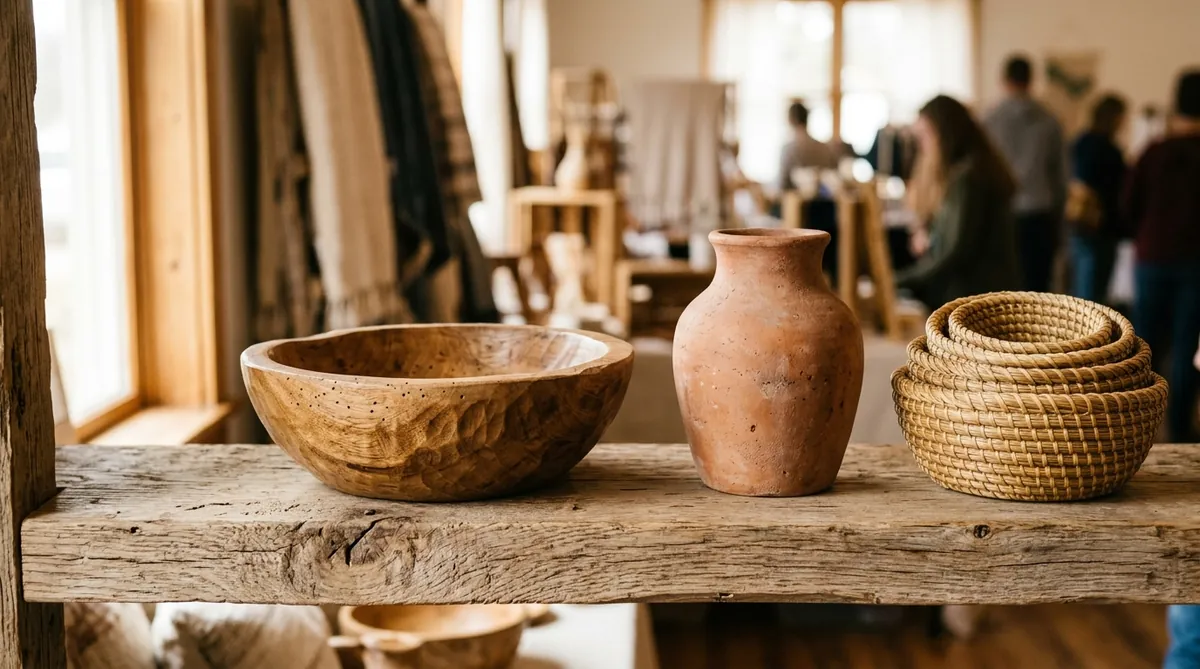
To style fair trade pieces in modern rooms, apply the seventy-thirty design balance rule by pairing clean architectural furniture anchors with tactile artisan accents. Use handwoven sweetgrass baskets, raw terracotta urns, and nubby wool throws to bring organic texture and warmth into sleek spaces without visual clutter or mismatched aesthetic friction.
When homeowners purchase fair trade decor, they often worry their house will resemble a craft bazaar. You can avoid visual chaos by implementing three disciplined decorator formulas:
1. The 70/30 Proportional Balance Rule
Reserve 70% of your visual room volume for clean, quiet architectural elements: neutral painted walls, solid oak flooring, and streamlined upholstery in natural linen. Dedicate the remaining 30% to high-texture fair trade statement pieces. A sculptural Oaxacan black clay vase placed on a crisp quartz kitchen island creates striking visual tension without fighting surrounding cabinetry.
2. Tactile Material Layering
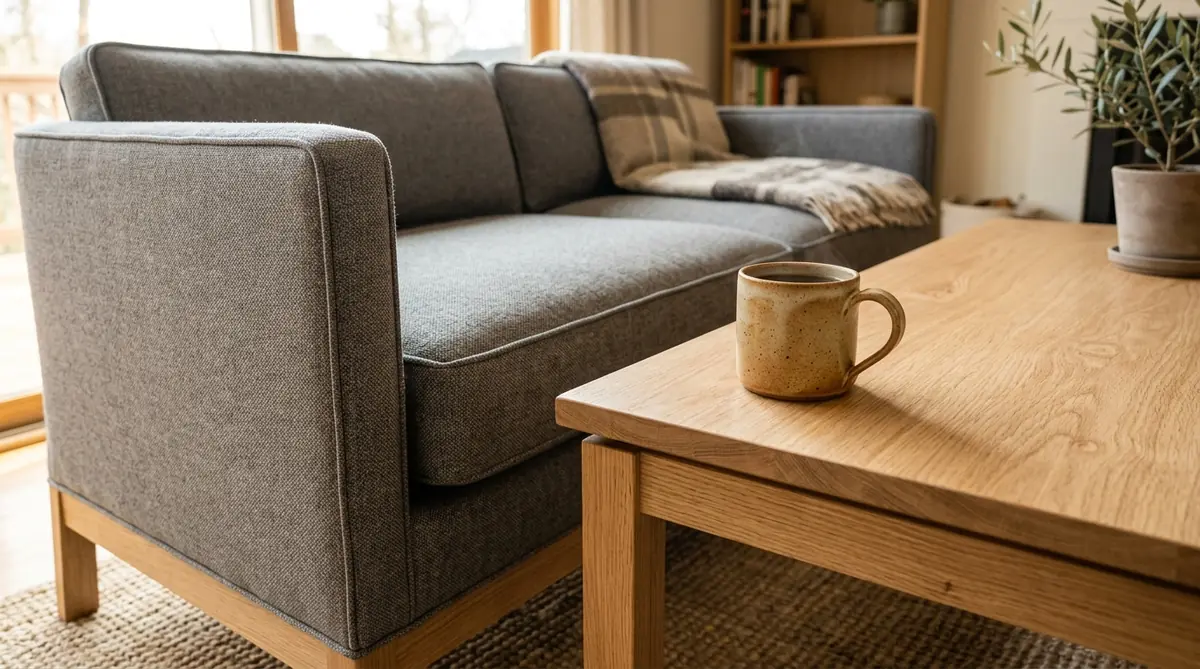
Artisan home decor shines through texture instead of chaotic patterns. Layer contrasting surface textures across horizontal planes. Place a rough, hand-carved mango wood bowl atop a smooth matte marble coffee table. Drape a thick, hand-spun alpaca wool blanket across a tailored sofa upholstered in smooth non-toxic linen. To verify healthy sofa textiles, consult our comprehensive non-toxic sofa upholstery fabric guide.
3. Calibrated 2700K Warm Illumination
Harsh cool lighting ruins the subtle warmth of handcrafted clay, raw jute, and unvarnished timber. Install 2700K warm white high-CRI LED bulbs with a minimum Color Rendering Index (CRI) of 90. Warm lighting emphasizes the organic depth and natural color variations in handwoven sweetgrass baskets and terracotta pots.
Evaluate Your Decor with Our Eco Furniture Checker
Our interactive Eco Furniture Checker helps you audit furniture and decor pieces for authentic third-party certifications, non-toxic material safety, and transparent supply chains. Enter your piece specifications to calculate an environmental rating and verify whether wood, textiles, and finishes meet rigorous residential health and ethical trade guidelines.
Before purchasing an expensive furniture item or area rug, run the piece through our free testing tool. The calculator verifies whether the item holds essential certifications like FSC timber harvesting, GOTS organic textiles, GREENGUARD Gold indoor air safety, or Fair Trade labor audits:
Frequently Asked Questions About Fair Trade Home Decor
Fair trade home decor questions typically focus on price differences, certification distinctions, non-toxic safety benefits, and proper long-term cleaning methods. Certified fair trade goods often cost slightly more due to fair living wages and natural material sourcing, but their durable construction provides significantly longer functional lifespans in residential homes.
Is fair trade home decor more expensive than conventional decor?
Fair trade decor costs roughly 15% to 30% more than mass-produced fast-furniture alternatives. This price difference directly finances fair adult living wages, safe workshop infrastructure, and high-grade natural materials like solid timber and hand-spun wool instead of synthetic substitutes.
What is the difference between WFTO and Fair Trade Certified?
The World Fair Trade Organization (WFTO) evaluates an entire business enterprise, verifying that social mission and fair trade principles govern every decision. Fair Trade Certified (Fair Trade USA) audits individual manufacturing facilities and supply chains. Worker committees receive direct financial community premiums from every production run.
Are fair trade home decor items naturally non-toxic?
Most fair trade decor items are substantially cleaner than mass-market products because artisan cooperatives rely on natural materials like untreated wood, unbleached wool, and plant dyes. Always confirm that wood finishes use food-safe plant oils instead of polyurethane lacquers.
How do you clean and maintain handwoven artisan baskets?
Dust handwoven sweetgrass and sisal baskets weekly using a soft-bristle upholstery brush or a vacuum attachment on low suction. Spot clean liquid spills immediately with a damp microfiber cloth and mild castile soap. Never submerge woven plant fibers in standing water.