Non-Toxic Sofa Upholstery Fabric: 5 Healthy Textiles
Reader Disclosure: This post contains affiliate links. If you buy through them, we may earn a commission at no extra cost to you. We only recommend items tested for clean craftsmanship and authentic durability.
Pure organic wool, heavy flax linen, and organic cotton canvas are the best non-toxic sofa fabrics. They naturally resist water spills, food stains, and daily wear without toxic chemical sprays. Clean certified organic fabrics keep your indoor air safe by avoiding formaldehyde, chemical flame sprays, and forever chemical coatings.
Most commercial couches release invisible fumes for years. Furniture makers coat synthetic polyester covers with chemical stain guards called forever chemicals. These chemicals never break down in nature and build up in room dust. Choosing clean upholstery protects your family from breathing harmful dust while giving your home timeless style.
Before ordering your sofa fabric, test your room with our interactive sofa fabric yardage calculator. It calculates exact fabric yardage, rub counts, and cushion sizes for your custom furniture piece.
Why Standard Sofa Fabrics Off-Gas Toxic Chemicals for Years
Standard couches contain petroleum chemicals and harsh dyes. Regular fabric mills spray synthetic covers with stain guards. While these chemical sprays make spilled coffee bead up, they shed toxic chemical dust as you sit down. Over time, family members breathe in these tiny dust specks each day.
Underneath the fabric, cheap plastic foam cushions release chemical fumes. Couch makers also spray foam cushions with chemical fire retardants to pass safety tests. These chemicals float into room air and cling to children’s toys and pet fur. Choosing pure organic fabrics removes these hidden hazards from your living room.
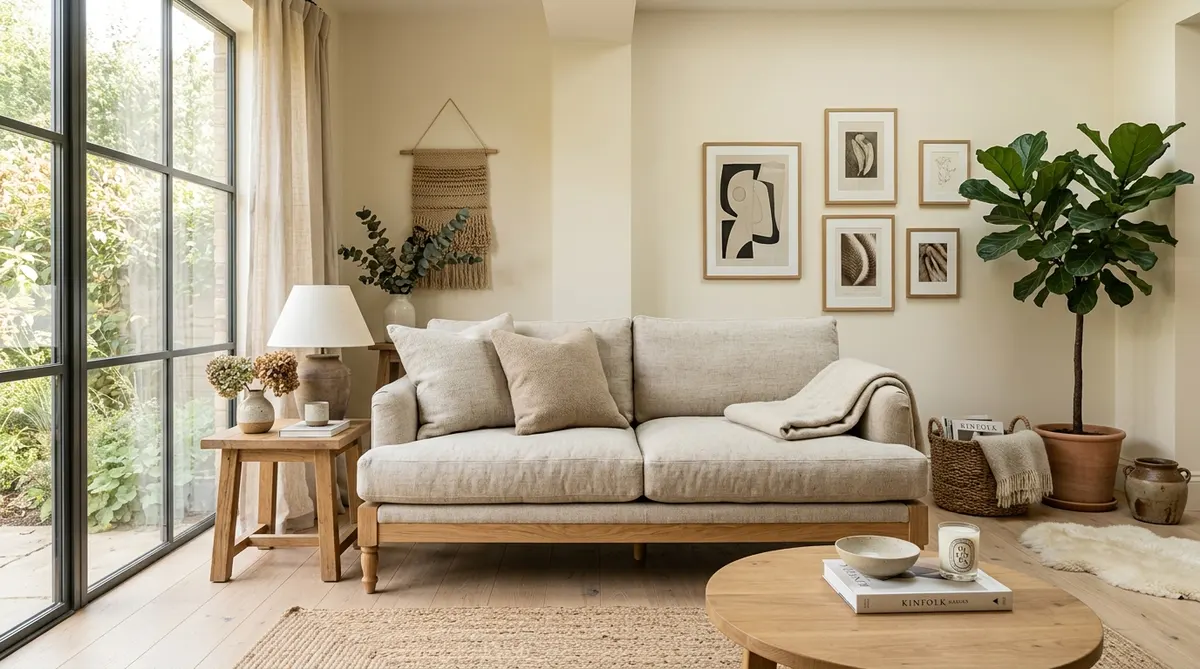
Textile 1: Pure Organic Wool Tweed (Naturally Flame-Resistant)
Pure wool tweed stands as the gold standard for clean sofa upholstery. Sheep wool holds natural lanolin wax. This wax coating causes spilled drinks to sit on top of the fabric in round beads. You can blot away liquid spills with a dry towel before stains soak into the wool fibers.
Why Wool Needs Zero Chemical Flame Retardants
Wool has high natural fire resistance. When exposed to an open flame, wool fibers char into ash that stops fire naturally. Because wool puts out flames on its own, sofa makers never need to spray it with chemical fire retardants.
Wool also holds up well in busy family rooms. Tight wool tweed weaves achieve durability scores over fifty thousand double rubs. The spring crimp in natural wool fibers resists crushing, keeping sofa cushions plump and firm through years of active family use.
How to Care for Wool Upholstery with a Wool Comb
New wool upholstery sheds short surface fibers during the first few months. This natural shedding forms small soft pills in high-friction seating areas. Never use electric rotary fabric shavers on woven wool tweed. Spinning steel razor blades can slice through primary warp threads, leaving permanent holes in your couch cushion.
Use a manual cedarwood sweater comb with a fine wire screen instead. Brush the wire screen gently along the fabric grain in short, light strokes. The comb catches loose pills cleanly without snagging underlying weave loops. After two light brushings, the wool fibers stabilize, leaving a smooth, resilient surface that lasts for decades.
Textile 2: Heavyweight Belgian Flax Linen (Breathable and Durable)
Heavy Belgian flax linen offers a clean, relaxed look that improves with age. Flax plants grow naturally with little water and zero chemical bug sprays. The harvested plant stems produce long, hollow fibers that make linen thirty percent stronger than cotton.
Choosing the Right Linen Weight for Sofas
Never pick light clothing linen for sofa upholstery. Thin linen stretches and pills under daily body friction. Look for heavy upholstery linen weighing between four hundred and five hundred grams per square meter.
Heavy linen breathes naturally, keeping couch seats cool in hot summers and warm in winter. Flax fibers resist dust mites and pests naturally. While linen wrinkles easily, its natural slub texture gives sofas a warm, relaxed look that suits modern living rooms.
Pre-Washing and Sanforizing Linen Slipcovers
Raw flax linen shrinks up to seven percent during its first warm wash cycle. If your sofa maker sews custom cushion covers from unwashed linen, the covers will shrink two inches when washed. You will never get them back over the foam cushions.
Always verify that your furniture maker pre-washes or sanforizes the linen yardage before cutting. Sanforizing is a natural mechanical process that pre-shrinks flax fibers with steam and rollers without toxic chemicals. Slipcovers made from pre-washed linen stay true to size through years of gentle machine washing.
Textile 3: GOTS-Certified Organic Cotton Canvas and Duck
Certified organic cotton canvas gives you an affordable, pet-friendly fabric choice. Cotton canvas uses a dense plain weave where crosswise threads lock tightly together. This tight weave stops pet claws from snagging and pulling loose threads.
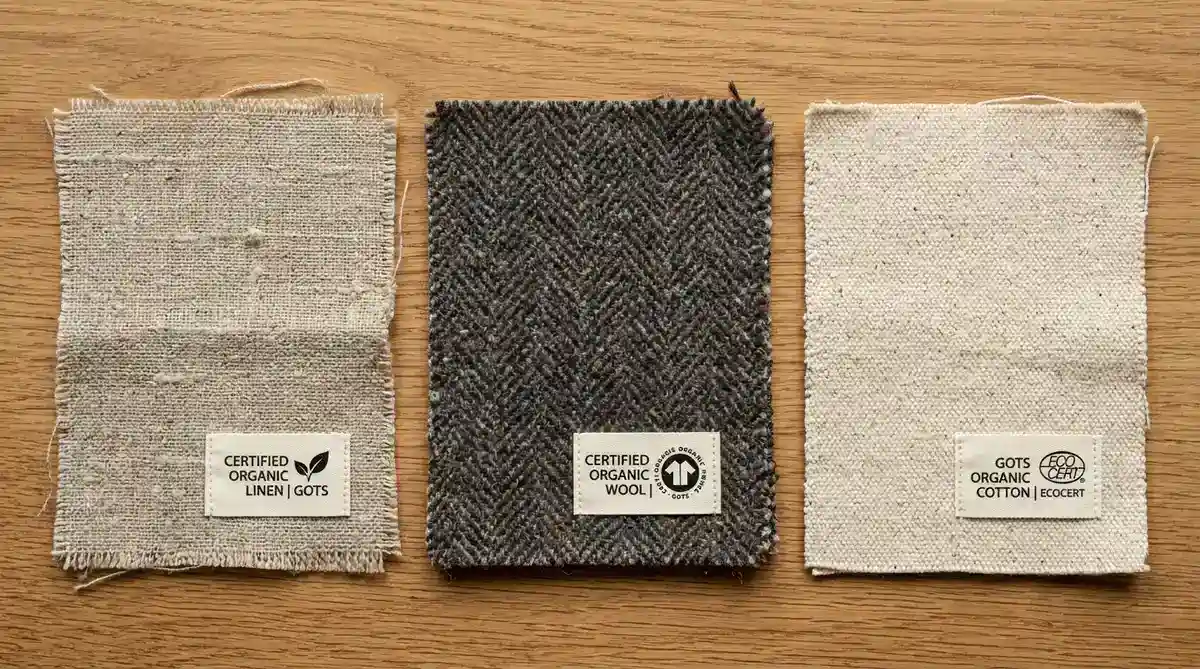
Regular cotton farming uses heavy sprays that leave chemical traces in fabric threads. Certified organic cotton grows with zero synthetic farm chemicals. Mills dye organic cotton with safe fiber dyes that contain zero toxic heavy metals like lead or cadmium.
Pick twelve-ounce or fourteen-ounce cotton duck canvas for family slipcovers. Cotton slipcovers come off easily for home machine washing, making them the most practical choice for busy homes with children and dogs.
Textile 4: Industrial Hemp Weave (The Toughest Plant Fiber)
Industrial hemp makes the strongest plant fabric in the world. Hemp fibers have three times the tensile strength of cotton, making hemp upholstery very hard to tear. Sofas covered in heavy hemp canvas resist sagging even under heavy daily use.
Hemp fibers hold natural plant compounds that fight mildew and odor growth. This natural defense makes hemp great for humid coastal rooms where mold attacks synthetic couches. While raw hemp feels stiff at first, it softens into a smooth buttery feel over months of daily sitting.
Textile 5: Vegetable-Tanned Full-Grain Leather (PFAS-Free)
Vegetable-tanned leather offers a strong, chemical-free upholstery choice. Most store leather sofas use chrome tanning. Chrome tanneries soak hides in harsh chromium salts that create bad chemical smells. Chrome leather also sheds chemical dust as the top finish wears thin.
Vegetable tanning uses natural tree bark liquids from chestnut and oak trees. Hides soak in natural plant baths for sixty days. The finished leather carries a rich sweet scent and contains zero chromium. Over years of family use, this leather develops a warm golden sheen that looks better with age.
Natural Cushion Cores: Natural Latex vs Organic Wool Batting
Do not pair clean organic fabric with cheap petroleum foam cushions. Standard couch foam emits petroleum gas inside living rooms. Replace synthetic foam cushions with natural organic core materials.
Choose natural Dunlop rubber foam certified by the Global Organic Latex Standard. Dunlop latex comes from rubber tree sap. It offers buoyant, springy support that lasts for twenty years without sagging. Wrap your latex core in two inches of organic wool batting. The soft wool wrap softens sharp cushion edges while adding natural fire protection.
Sofa Frame Safety: Solid Hardwood vs Particleboard
Inspect what lies beneath your couch upholstery fabric. Cheap couches use frames made from particleboard, chipboard, and glued plywood. Factory mills bond these wood scrap boards with urea-formaldehyde glue. This glue off-gases cancer-causing formaldehyde gas into home air for up to five years.
Demand sofa frames crafted from solid kiln-dried hardwood. Look for oak, maple, or alder wood certified by the Forest Stewardship Council. Solid hardwood frames use wooden dowels and corner glue blocks rather than toxic chemical glues. A solid wood frame lasts for decades and releases zero chemical fumes into your living room.
How to Test Fabric Swatches with the Water Drop Test
Order fabric swatches from your furniture maker before you buy. Test each sample fabric piece in your kitchen. Place three drops of room-temperature tap water onto the fabric swatch face.
Watch how the fabric reacts to the water drops. On wool tweed, water should bead up like small glass pearls for at least twenty minutes. On linen and cotton, water should soak in slowly without ring marks. If water rolls off synthetic fabric instantly like oil, the mill coated the fabric with forever chemical stain sprays. Reject any fabric that smells like chemicals or sheds fine white powder when rubbed.
How to Verify Clean Textile Certifications: GOTS vs OEKO-TEX
Protect yourself from green sales talk by checking third-party fabric badges. Sales pages often use vague words like eco-friendly or all-natural. Look for these two trusted badges on fabric swatch tags:
- GOTS (Global Organic Textile Standard): Confirms that ninety-five percent of fibers are organic, with zero toxic dyes, heavy metals, or chemical fire sprays used.
- OEKO-TEX Standard 100: Tests the finished fabric for hundreds of toxic substances, ensuring zero harmful formaldehyde, heavy metals, or pesticide residues.
Non-Toxic Suspension: Eight-Way Hand-Tied Springs and Jute Webbing
Clean sofa craftsmanship extends to the suspension deck beneath your seat cushions. Cheap modern sofas use synthetic rubber webbing strips stapled across the frame. These petroleum rubber bands stretch out, sag, and crumble into sticky dust after five years of daily family sitting.
Demand traditional eight-way hand-tied steel coil springs built over woven natural jute webbing. Artisans weave heavy three-and-a-half-inch jute webbing strips across the bottom of the wood frame to form a rock-solid foundation. They place heavy tempered steel hourglass coil springs on top and tie each spring by hand using natural Italian flax twine. This clean, zero-chemical suspension supports heavy weight comfortably for over thirty years.
Non-Toxic Sofa Upholstery Fabrics Comparison Matrix
Review this comparison table to select the best clean fabric for your family living space:
| Fabric Type. | Double-Rub Durability. | Natural Spill Defense. | Flame Retardant Needed. | Best Living Room Use. |
|---|---|---|---|---|
| Organic Wool Tweed. | 50,000+ double rubs. | High (natural lanolin beads spills). | Zero (stops fire naturally). | High-traffic family rooms & kids. |
| Belgian Flax Linen. | 30,000 to 40,000 rubs. | Moderate (blot spills fast). | Zero (low flammability weave). | Formal living rooms & sunrooms. |
| Organic Cotton Duck. | 35,000 to 45,000 rubs. | Moderate (washable slipcovers). | Zero (passes open flame tests). | Pet homes & casual slipcovers. |
| Industrial Hemp Canvas. | 60,000+ double rubs. | High (repels mildew & odors). | Zero (thick dense plant fiber). | Heavy-use couches & rentals. |
| Vegetable-Tanned Leather. | 100,000+ double rubs. | Very high (wipes clean instantly). | Zero (natural hide density). | Heirloom statement sofas & dens. |
Frequently Asked Questions About Non-Toxic Sofa Fabrics
What is the healthiest fabric for a sofa?
Pure organic wool and GOTS-certified flax linen are the healthiest sofa fabrics. They contain zero synthetic petroleum fibers, zero formaldehyde coatings, and zero chemical flame retardants, keeping your home air clean and fresh.
Does performance fabric have toxic chemicals?
Most commercial performance fabrics contain PFAS forever chemicals that make water bead up. These fluorinated coatings shed chemical dust into household air over time. Choose dense wool or hemp weaves for clean natural durability instead.
Is wool upholstery itchy to sit on?
Fine upholstery wool uses combed merino or long-staple fleece that feels soft and smooth against skin. It bears zero resemblance to scratchy camp blankets, providing plush luxury and deep comfort through all seasons.
How do you clean a non-toxic sofa without chemicals?
Vacuum fabric weekly using a soft brush attachment. Blot liquid spills immediately with clean paper towels. Spot-clean stains with warm distilled water mixed with two drops of mild liquid castile soap, then air dry completely.
Can you waterproof a couch without PFAS?
Natural fabrics do not require chemical waterproofing. Dense wool tweed uses natural lanolin wax to repel liquids. For cotton slipcovers, apply a non-toxic beeswax and plant oil rub to add water-beading protection safely.
Decorator Rules for Caring for Natural Upholstery
Caring for natural sofa fabrics requires a simple, gentle maintenance routine. Vacuum your sofa cushions once a week using a soft horsehair brush vacuum tool. Regular gentle vacuuming lifts fine dirt particles before they grind down into delicate fabric fibers.
Rotate and flip your sofa seat and back cushions every month. Flipping cushions balances fabric wear and keeps natural wool and latex fillings evenly distributed. Keep your natural fabric couch away from direct, harsh afternoon sunbeams to preserve rich plant dyes for decades of family comfort.
For complete whole-home chemical safety, pair your clean seating with a certified bed using our non-toxic mattress certification guide.