Sustainable Wood Furniture: Hardwoods, Finishes, and Certifications
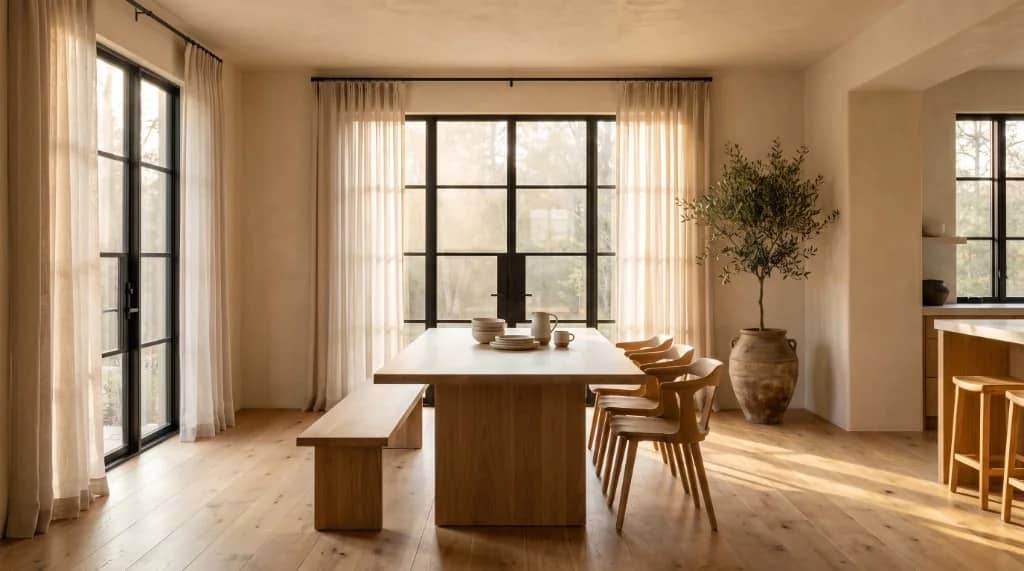
Sustainable wood furniture pairs certified solid timber with non-toxic curing plant oils. It relies on honest wood joints that allow natural seasonal movement. Choose dense domestic hardwoods like white oak, black walnut, and maple. These species survive decades of heavy daily use. Skip unseasoned softwoods, paper veneers, and chemical plastic lacquers.
Wood remains our most durable furniture material. When cut responsibly, timber stores carbon inside dining tables and bed frames. It keeps that carbon locked away for over a century. However, modern mass factories handle lumber poorly. Many big stores use the term solid wood as a sales gimmick. They sell fast-grown tropical wood prone to warping. Others hide particleboard under paper veneers.
Woodworkers know a clear truth. Timber species and finishes dictate furniture lifespan. A poorly dried board cracks in winter. Cheap plastic varnishes turn yellow and peel away. You cannot repair them easily at home. In contrast, solid timber treated with plant oils grows richer over time.
Smart furniture shopping requires practical material facts. You need to understand wood hardness ratings. You must spot verified forest certificates. Skip corporate sales fluff. Clean finishes also protect indoor air from airborne chemicals. Heirloom furniture relies on specific wood species and clean curing oils.
What Makes Sustainable Wood Furniture Truly Eco-Friendly?
Sustainable wood furniture meets three strict workshop standards. Builders use timber harvested from certified well-managed forests. They dry lumber in kilns down to six to eight percent moisture. Finally, they seal surfaces with zero-VOC plant oils. These steps protect living forests and allow simple home spot repairs.
Real sustainability covers the full lifecycle of timber. It tracks wood from the forest floor straight into your living room. Look for these three core standards when evaluating wooden pieces:
- Selective harvesting protects wild forest ecosystems. Crews cut only mature canopy trees. They leave young seed saplings and root systems in place. This method maintains continuous tree regrowth and safeguards forest soil.
- Slow kiln drying removes sap moisture over several weeks. They lower moisture down to six or eight percent. This moisture balance stops boards from cupping. It prevents cracks during dry winter heating.
- Plant curing oils soak deep into raw wood pores. They skip synthetic plastic films. Finishes made from flaxseed oil, tung oil, or raw beeswax keep lumber breathable. They release zero chemical fumes into your home air.
To learn more about whole-home green decor, explore our detailed sustainable furniture guide covering frame joinery and clean fabrics.
Top Hardwood Species Ranked for Durability and Sourcing
The best green hardwoods are white oak, black walnut, maple, and ash. All four score above 1,000 pounds on the Janka scale. These trees grow in well-managed domestic forests. They cut transit pollution and resist pet scratches during daily family use.
The Janka test measures the force needed to dent a wood plank. Higher numbers mean better resistance to dents and chair drops. Here is how top sustainable hardwoods perform:
1. American White Oak (Janka Hardness: 1,360 lbf)
White oak sets the standard for green furniture. Its wood pores feature closed tyloses structures. These natural barriers make the wood resist moisture rot and bugs. White oak displays a rich golden hue with strong grain lines. Oak forests grow back quickly in North America. White oak carries a low transport carbon footprint.
2. Black Walnut (Janka Hardness: 1,010 lbf)
Black walnut offers warm chocolate tones and flowing grain patterns. Walnut is stable. It expands very little when room humidity shifts. Craftsmen love walnut. It cuts cleanly and holds wood screws firmly. It takes a smooth polish with simple plant oils.
3. Hard Sugar Maple (Janka Hardness: 1,450 lbf)
Hard sugar maple has a tight grain that feels silky smooth. Maple scores 1,450 on the Janka scale. It resists heavy impacts better than most woods. It carries a clean cream color that suits light modern rooms. Maple trees grow fast in northern forests. They offer an abundant domestic resource.
4. White Ash (Janka Hardness: 1,320 lbf)
White ash is shock resistant. It has natural spring. Makers use ash for baseball bats and curved chair backs. Ash displays a bold grain pattern with a pale cream tone. Buying ash supports healthy forests. It puts salvaged logs to good use.
The Sustainable Timber Evaluation Matrix
Compare woods by checking hardness and water stability. Check origin and tree growth rates. Domestic hardwoods provide multi-decade strength. Mango and rubberwood offer lower prices when dried properly. Always match wood species to the daily demands of each room.
Use this reference table to compare furniture woods before spending money:
| Timber Species | Janka Hardness | Moisture Resistance | Primary Sourcing | Ideal Home Application |
|---|---|---|---|---|
| American White Oak | 1,360 lbf | High water resistance. | FSC North America. | Dining tables, desks, and kitchen storage. |
| American Black Walnut | 1,010 lbf | High dimensional stability. | FSC North America. | Sideboards, coffee tables, and bed frames. |
| Hard Sugar Maple | 1,450 lbf | Moderate moisture hold. | FSC North America. | Dining benches, butcher blocks, and chairs. |
| White Ash | 1,320 lbf | Moderate elasticity. | FSC North America. | Steam-bent chairs and wall shelves. |
| Mango Wood | 1,070 lbf | Low water resistance. | Farm byproduct from India. | Accent side tables and carved mirrors. |
| Rubberwood (Hevea) | 960 lbf | Low rot resistance. | Latex farm byproduct. | Budget secondary furniture and painted frames. |
Notice the clear gap between domestic hardwoods and farm byproducts like rubberwood. Rubberwood enters markets when latex trees stop giving sap after thirty years. Using spent trees stops open burning. Yet rubberwood lacks natural defenses against wood rot. Without strict kiln drying, rubberwood warps fast in damp homes.
Eco-Friendly Wood Finishes: Plant Oils vs. Chemical Polyurethanes
Eco-friendly wood finishes rely on natural oils. They use pure tung, linseed, and hardwax blends. These plant oils sink deep. They build no plastic film. They feed wood pores and let boards breathe. You can fix spots with fine sandpaper and a cloth.
Commercial factories spray plastic lacquers and conversion varnishes. Factory ovens dry these clear coats in sixty seconds. That rapid cure helps assembly lines. However, it brings clear drawbacks into your home:
- Polyurethane coats timber in plastic. This film strips away the warm, natural feel of wood.
- Dropped mugs cause white dent fractures. Fixing them requires stripping the whole piece with harsh chemicals.
- Factory lacquers off-gas solvent vapors and formaldehyde. These fumes linger in closed rooms for months.
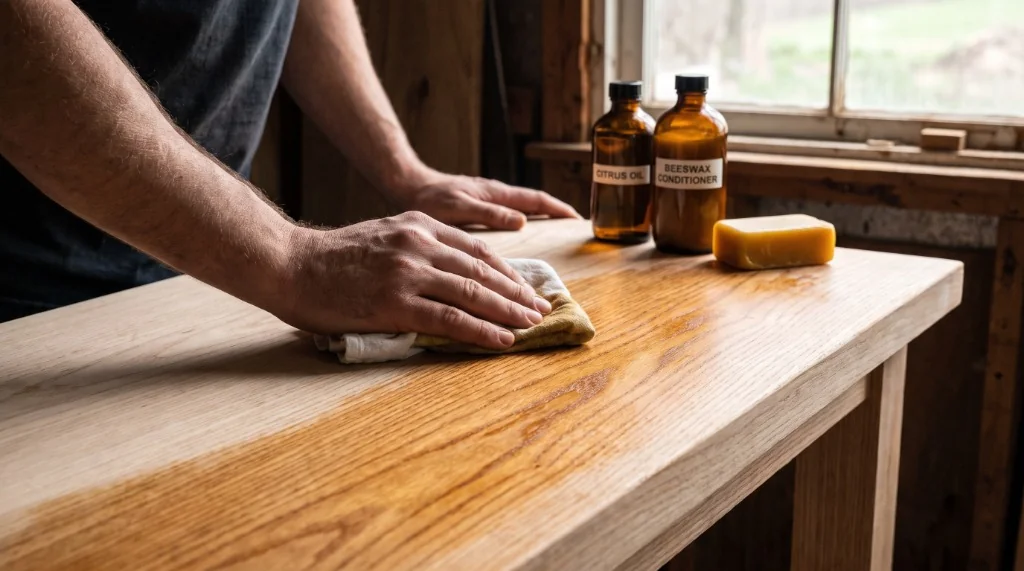
In contrast, natural curing oils bond directly with wood fibers as they air-dry. The finish cures from within and highlights natural wood depth. Did a mug leave a water ring? Simply rub a little oil or wax into the scratch. Maintain your wood pieces with Howard Feed-N-Wax Beeswax and Orange Oil to feed the grain and repel spills naturally.
How to Verify FSC, PEFC, and Forestry Certifications
Look for Chain of Custody codes to verify sustainable timber. Demand FSC or PEFC certificates. Reputable makers print their certificate number on product tags and purchase invoices. This paper trail lets shoppers trace timber back to managed forests.
Many brands invent generic marketing badges like sustainably grown or eco-timber. These casual claims carry zero legal weight. Demand these recognized international forestry marks:
- The FSC 100% seal confirms that every board comes from well-managed forests.
- FSC Recycled marks timber salvaged from historic barns, warehouses, or old commercial mills.
- FSC Mix blends certified and controlled boards. Verify that the certified portion exceeds seventy percent.
- PEFC verifies sustainable timber across European sawmills through independent audits.
To find ethical artisan decor, review our guide to fair trade home decor brands.
4 Woodworking Red Flags That Reveal Cheap Construction
Watch for four cheap build shortcuts before buying. Avoid glued cross-grain, edge tape, staples, and light rubberwood. These defects cause timber to split. They stop simple home repairs over time.
Inspect prospective furniture using these four workshop checks:
1. Cross-Grain Restriction on Large Tabletops
Wood moves across its width as humidity shifts through the year. Skilled makers attach wide tops with slotted cleats or Z-clips. These clips let boards slide. Never screw a wide solid top directly to a rigid frame. Without expansion slots, winter dry air splits the wood.
2. Edge-Banding Tape on Board Edges
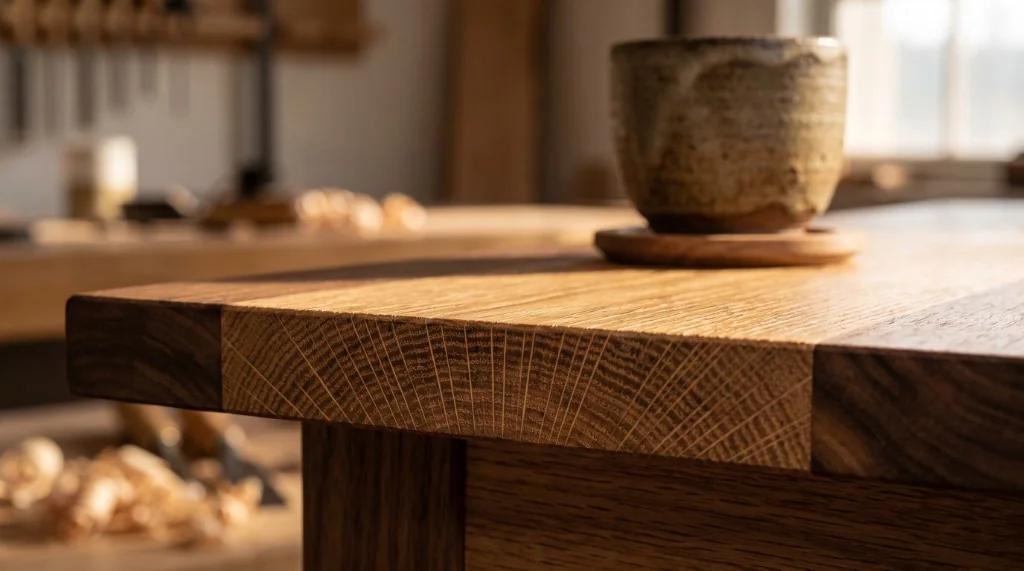
Check board edges closely. A thin tape strip means the core uses cheap particleboard. Solid wood shows continuous end-grain rings that wrap around board edges.
3. Fastening with Staples and Pneumatic Brads
Check the underside corners of chair frames and table aprons. Quality furniture always features solid hardwood corner blocks secured with heavy wood screws. If you spot staples, plastic brackets, or hot glue, skip the piece. Staples pull loose under sitting weight.
4. Lightweight “Plantation Hardwood” Labels
Budget stores often claim solid plantation wood without naming the tree species. In most cases, this label masks cheap rubberwood or weak pine. Lift the bench. If it feels very light, the wood lacks durability. To pair solid woods with natural rugs, read our guide on natural home decor.
Audit Your Wood Pieces with the Eco Furniture Checker
Run your furniture candidates through our design audit tool before buying. The Eco Furniture Checker audits harvest seals, glue safety, and finish purity. It gives you an objective durability score.
The tool flags hidden particleboard cores and unverified tropical timber origins. It checks for safe non-toxic oil finishes. Use it when checking quotes to ensure clean air and healthy forests.
Frequently Asked Questions About Sustainable Wood Furniture
Homeowners often ask about furniture upkeep, wood rankings, water resistance, and price differences. Shoppers want clear facts on how solid wood performs over decades. These direct answers help you select and maintain wood furniture with confidence.
Which wood is the most sustainable choice for indoor furniture?
White oak and sugar maple are the greenest choices for indoor furniture. Both species grow abundantly under strict North American forestry laws. They deliver high Janka hardness ratings above 1,300 pounds-force. They also travel shorter distances to workshops than imported tropical timber.
How do you clean and maintain oil-finished solid wood furniture?
Clean oil-finished solid wood using a damp cotton cloth with mild soap. Dry the surface immediately with a clean towel. Apply beeswax and orange oil every six months. This habit replenishes wood pores and shields against spills without building plastic layers.
Is mango wood genuinely sustainable and durable?
Mango wood is green because farmers harvest spent trees after fruit stops. Mango wood is dense, but it absorbs moisture quickly. Use mango wood in dry rooms. Keep it out of wet bathrooms and patios.
How to Spot Solid Wood vs. Veneer
How do you spot solid wood versus veneer? Inspect the end-grain along the edge of the board. On solid wood, growth rings wrap continuously across the board edge. On veneered pieces, the surface grain stops at the border. It exposes thin tape and pressed sawdust.