Sustainable Furniture Brands: How to Vet Them Before Buying
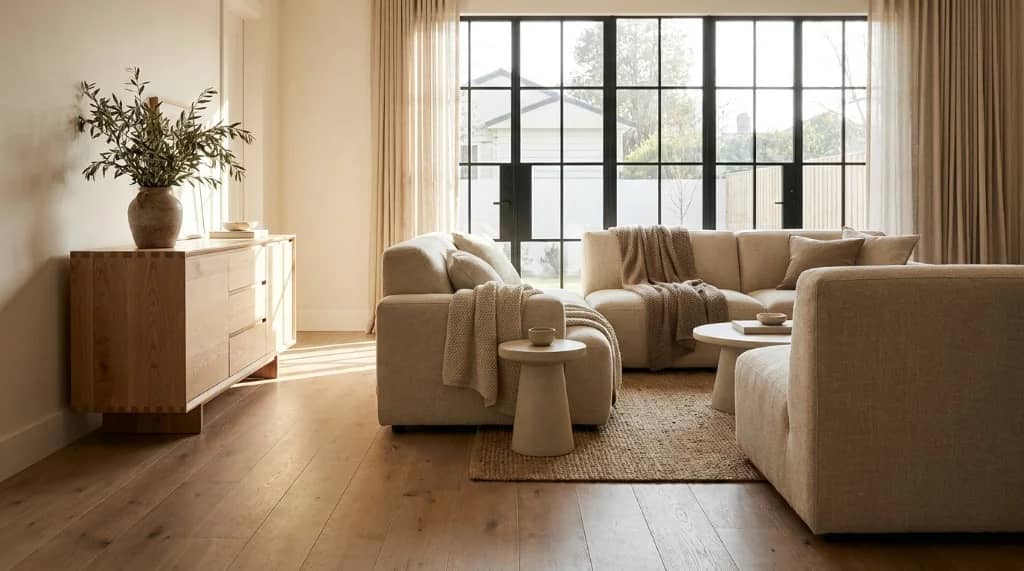
Green furniture brands earn trust through facts. It shares material certificates and cushion chemistry. True makers build repairable joints. They stock spare parts. Disregard vague slogans like green or eco-friendly. Check product seals before buying. Inspect emission caps and repair plans.
Marketing teams buy carbon offsets. They write vague statements. Independent lab tests show true product quality. They prove if a sofa is safe. They protect healthy homes. Compare materials in our sustainable furniture guide before buying.
The 5-Step System to Vet Any Sustainable Furniture Brand
Vet sustainable furniture brands through five simple rules. Check material origin and chemical emissions. Inspect cushion fill and hardware repairability. Verify fair labor standards. If a seller hides inner foam, skip the buy. Demand proof for the specific piece. Ignore corporate pledges.
Studio lights hide cheap particleboard, petroleum foam, and weak joints. Inspect every purchase through five checks:
- Trace the main structural material to its source forest or recycling mill. Ask for the mill location. Demand the license number.
- Demand published testing for chemical emissions. Confirm compliance with EPA TSCA Title VI standards and third-party indoor air seals.
- Inspect hidden interior parts. Ask customer service about cushion materials. Check drawer bottoms and back panels directly.
- Confirm long-term mechanical repair pathways. Verify that the company sells replacement legs, extra hardware, spare slipcovers, and bolts.
- Audit workshop labor standards and factory locations. Look for domestic workshops. Choose certified fair-trade shops.
Authentic makers provide data sheets. They answer questions openly. Fast-furniture retailers deflect questions. They rely on vague green claims.
Corporate Certifications vs Product Certifications: How to Spot Greenwashing
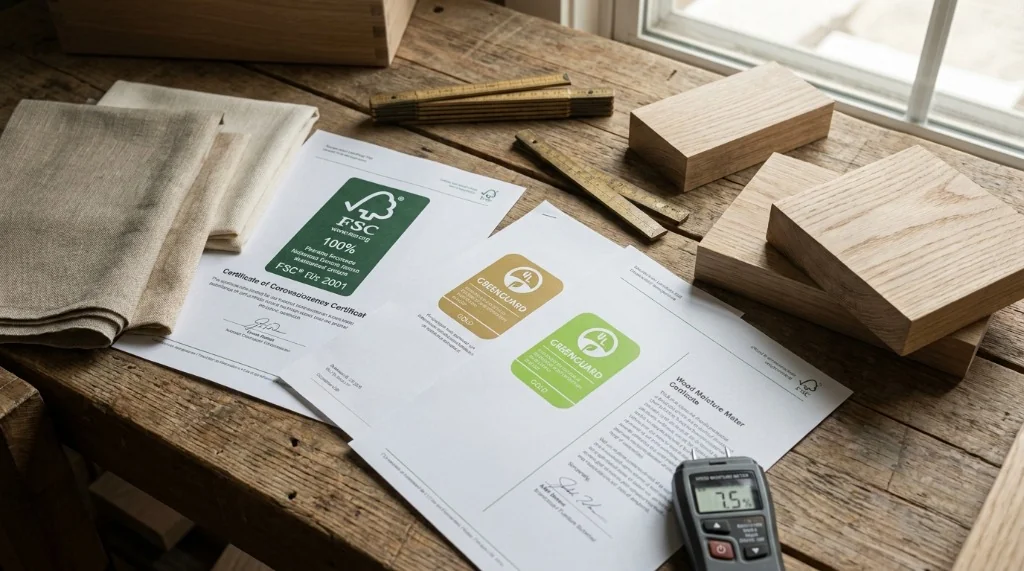
B Corp badges evaluate office policies. They check company charity. FSC and GREENGUARD Gold test materials. They inspect physical goods. They measure chemical fumes. They audit wood harvest for each item. A B Corp logo on a website never proves a sofa is safe.
Greenwashing spreads quickly. Brands use office badges to imply product safety. A company can hold B Corp status. Yet it may sell desks coated in toxic lacquer.
| Certification | Audit Level | What It Proves | What It Ignores |
|---|---|---|---|
| B Corp | Corporate Operations. | Worker pay and green office policy. | Chemical finishes and fabric safety. |
| 1% for the Planet | Financial Donation. | Cash gifts to green charity groups. | Factory methods and item lifespan. |
| FSC 100% | Physical Material. | Clean wood from certified green forests. | Wood finishes and sofa fabrics. |
| FSC Mix | Physical Material. | Mix of certified wood and recycled fiber. | Has less certified wood than FSC 100%. |
| GREENGUARD Gold | Finished Product. | Strict emission caps for chemical fumes. | Forest ethics and joint strength. |
| GOTS (Textiles) | Fabric / Upholstery. | 95% organic plant fibers without heavy metals. | Inner wood frames and steel springs. |
| GOLS (Latex) | Cushion Core. | 95% organic rubber tree latex. | Fabric covers and frame joints. |
Demand product certificates for your selected model. Look for a license code on the product tag. Verify license numbers through official registry databases.
The Upholstery Trap: Cushion Foam, Adhesives, and Flame Retardants
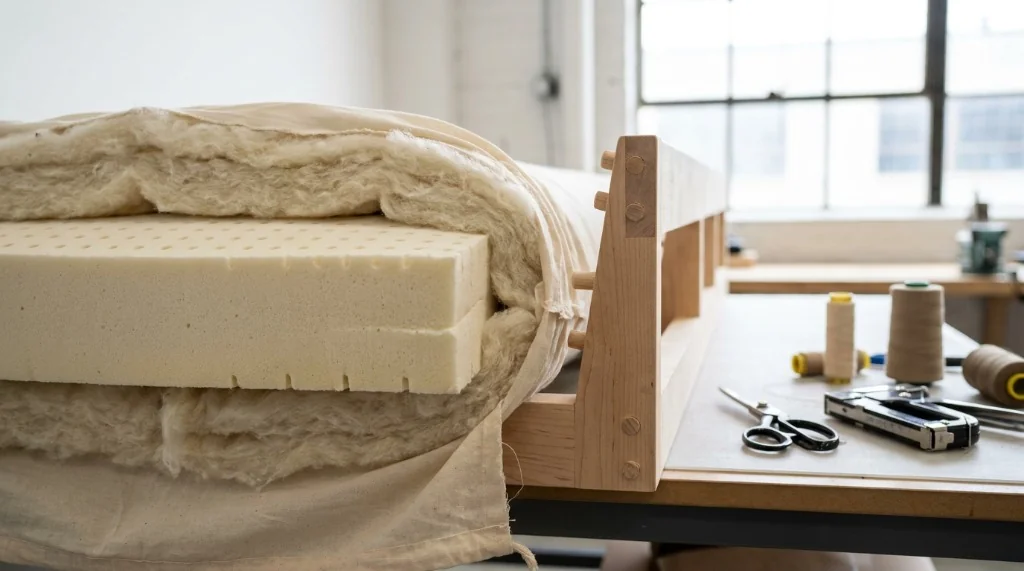
Upholstered furniture brings indoor air risks from plastic cushion foam and solvent glues. Brands market organic covers. Yet they hide polyurethane foam inside. Demand natural latex, organic wool, or down fills free from added flame chemicals.
Standard foam comes from oil refining. Cheap foam cushions off-gas chemical fumes. Petroleum foams break down fast. They turn into microplastic dust. They flatten under daily body weight. Synthetic fabrics carry PFAS chemicals. Mills add them to repel spills.
Protect your home air quality by checking three internal sofa components:
- Choose GOLS natural latex for cushion foam. Natural latex holds bounce for twenty years. It breathes well and biodegrades safely.
- Choose organic wool batting. Clean cotton also works well for padding. Wool acts as a fire barrier. It needs zero added chemicals.
- Verify fabrics carry OEKO-TEX or GOTS certification. Confirm mill details in writing. Ensure zero chemical stain sprays.
Pair safe cushions with solid wood frames from our sustainable hardwood furniture guide. A sofa lasts fifty years with care. Cushions must allow simple replacement.
Supply Chain Reality: Domestic Makers vs Overseas Shipping Emissions
Ocean freight creates heavy carbon emissions, bunker fuel soot, and shipping trash. Long ocean freight miles add pollution. They erase the benefits of good materials. Regional woodshops use local lumber. They cut freight miles. They offer reliable warranty support. Balance overseas claims against shipping distance.
Imported goods cross oceans. Diesel cargo ships burn dirty bunker fuel. Cargo moves on diesel trucks. Factories wrap pieces in plastic foam. When a part cracks in shipping, replacements travel thousands of miles again.
Domestic furniture makers offer three main benefits:
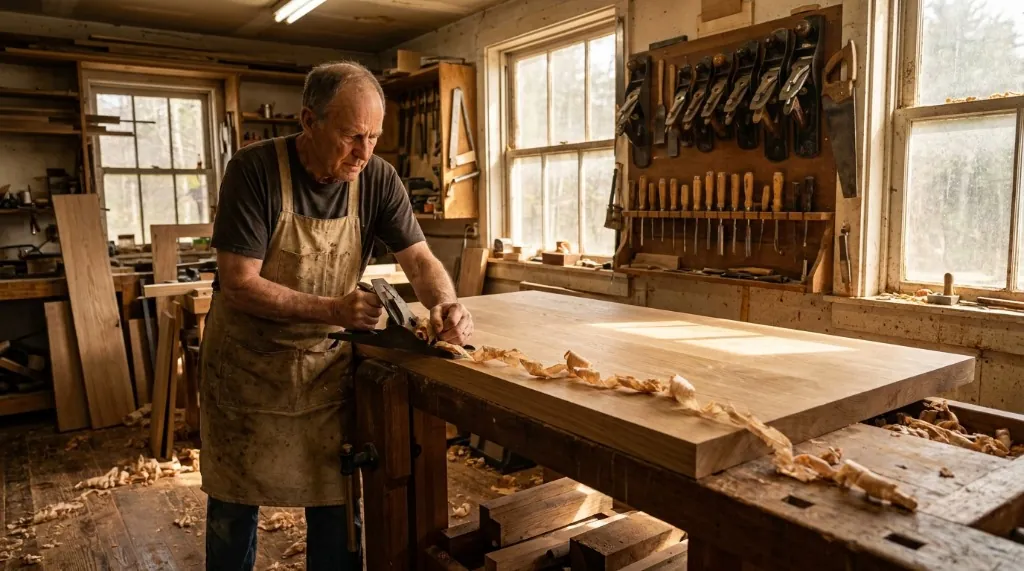
- Local workshops use domestic wood. They select maple, oak, and walnut. They harvest timber under strict conservation laws.
- Regional shops share joint details directly. They tell buyers about glue types. They share finish cure times.
- Local makers keep spare parts in stock. Local makers stock spare parts. They ship bolts and legs within days.
Review our wood guide in sustainable wood furniture before assuming imports offer better value.
Vetted Brand Archetypes: How Authentic Makers Operate
Authentic sustainable brands show full material facts. They publish repair guides. They prove claims with real tests. Reputable makers use regional lumber. They build with proven joinery. Check prospective brands across three models to find furniture for your home.
1. Solid Domestic Timber Craftsmen
These makers build tables, dressers, and beds using local oak, maple, and walnut. They reject thin veneers. They rely on mortise joints. They finish wood with plant oils. These shops offer lifetime warranties. They build pieces that last for generations.
2. Modular Seating and Circular Innovators
Modern innovators build sofas around modular frames. They use kiln-dried hardwood. Heavy steel brackets brace corners. They skip chemical glues. These brands sell slipcovers and foam cores. They supply spare legs. Many makers run trade-in plans. They keep old sofas out of landfills.
3. Certified Non-Toxic Bedroom Specialists
Bedroom makers focus on clean indoor air. They build platform beds from solid timber. They craft mattresses with natural latex. They add organic wool and cotton. These makers hold GREENGUARD Gold and GOLS seals for the frame and mattress.
Repairability and Circularity: The Forever Furniture Test
A brand proves its worth through repair. Design must allow easy fixes. Fast furniture glues parts together. Cheap frames break easily. A single broken leg ruins the entire piece. Sustainable brands use accessible bolts. They offer removable slipcovers. They share public parts lists.
Before buying a dining table or sofa, inspect five repairability factors:
- Can you remove and wash upholstery fabric yourself without special workshop tools?
- Does the brand sell replacement foam cores when cushions soften after ten years?
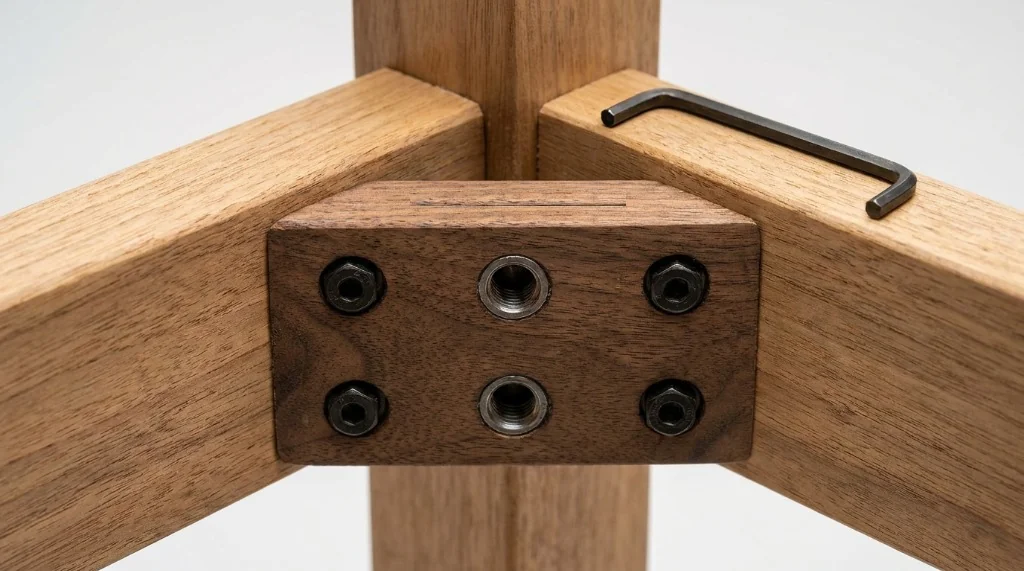
- Do steel bolts secure legs and rails so you can tighten them over time?
- Does the company offer a trade-in or resale program for customers moving home?
- Does the warranty cover frame joints for ten years, or does it exclude looseness?
True circularity requires mechanical access. Fast furniture makers use staple guns. Plastic brackets break easily. Cheap glues speed factory lines. Sustainable brands use bolted corner blocks. Heavy knock-down hardware adds strength. Removable slipcovers ensure easy care.
The Live Chat Script: 5 Exact Questions to Ask Customer Service
Cut through vague slogans. Ask five direct questions. Use customer chat before ordering. Reputable makers share timber origins, foam densities, and glue types right away. Vague bot replies signal low quality. Avoid brands that deflect questions.
Ask customer support these five questions:
- “Please name the timber species, mill origin, and your FSC license code.”
- “What fills the seat cushions: foam, natural latex, or down?”
- “Does this piece hold a GREENGUARD Gold certificate? Can you share the lab test summary?”
- “Are all fabrics free from added PFAS stain coatings and flame retardants?”
- “Can I order replacement legs, cushion cores, or slipcovers from your inventory in five years?”
Notice how customer representatives respond. A confident representative provides technical specs quickly. They share certificate links quickly. They explain parts policies within minutes. If the agent repeats vague slogans, stop. Pause your purchase right away. Look elsewhere for honest makers.
Red Flags: 6 Marketing Claims That Signal Greenwashing
Reject brands using vague slogans. Avoid terms like natural wood feel without audit papers. Missing finish details signal cheap furniture. Hidden foam reveals low quality. Short one-year warranties reveal low quality.
Watch for six greenwashing tactics during research:
- Tree-planting promos hide cheap wood. Brands use particleboard from clear-cut forests. Planting a sapling never excuses toxic glue. Weak joints still ruin furniture.
- Phrases like solid wood finish hide cheap particleboard. Vendors wrap thin paper foil over glue cores.
- B Corp status alone does not guarantee non-toxic furniture. Demand laboratory testing reports.
- PFAS stain treatments bring persistent toxins into your home. Avoid synthetic chemical coatings.
- Gluing scrap rubberwood strips with heavy glue creates weak boards that crack easily.
- Companies offering zero spare parts create landfill waste. Furniture becomes trash when parts break.
Use our interactive eco furniture checker to audit prospective product specs before completing checkout.

Frequently Asked Questions About Sustainable Furniture Brands
Evaluating brands requires separating charity from real material quality and repair support. Check independent seals, demand foam facts, and confirm spare parts before ordering. Apply these tips to shop with confidence.
Are expensive furniture brands always sustainable?
No. High prices often reflect luxury branding, ad spending, and showroom rent. They prove nothing about clean materials. Many luxury brands use cheap foam, solvent varnish, and undocumented wood. Demand product certificates regardless of price.
Is buying vintage furniture better than buying from sustainable brands?
Vintage solid wood furniture is eco-friendly. Reusing timber prevents forest loss. Vintage items need inspection for loose joints and old lead paint. New certified brands work best for sofas. You get clean, mold-free cushions.
What is the most reliable certification for non-toxic furniture?
GREENGUARD Gold provides the strictest seal for low chemical emissions in furniture. For sofas and beds, look for GOTS organic fabrics. Choose GOLS natural latex foam.
How can I spot greenwashing in furniture brands?
Look for vague slogans. Reject claims without license numbers or certificates. Greenwashing brands boast about tree-planting while hiding frame materials and cushion foam chemistry. Demand test data before buying.
Do authentic sustainable furniture brands offer good warranties?
Yes. Reputable makers back their joinery. Quality brands offer strong warranties. Coverage spans ten years to a lifetime. Avoid brands offering only one-year warranties or contracts that exclude loose joints.