Sustainable Rattan Furniture: Real Rattan vs Synthetic Lookalikes
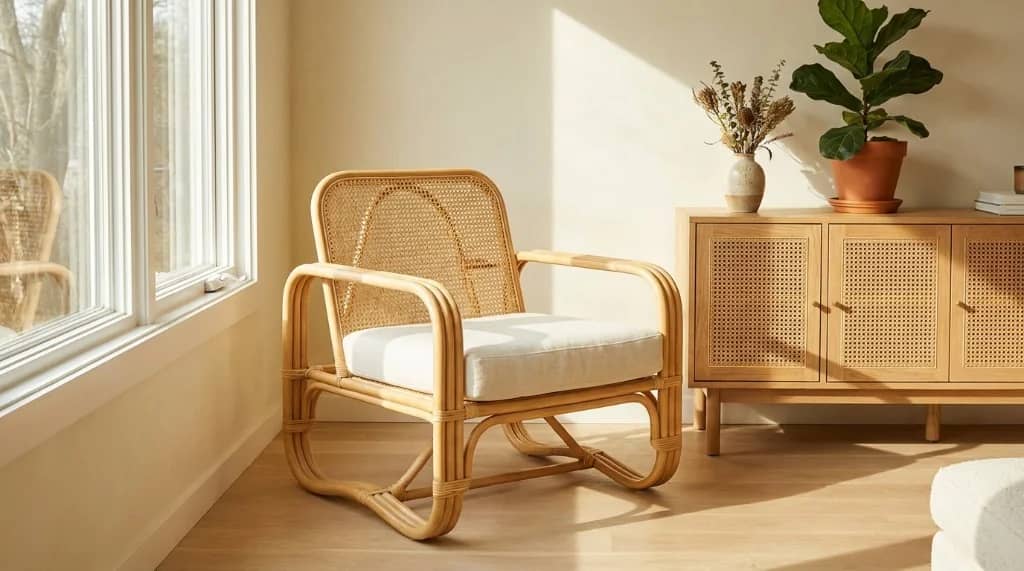
Sustainable rattan furniture lasts decades indoors. Harvesters collect climbing palms without cutting canopy trees. Synthetic resin wicker replaces natural fibers on outdoor patios. It uses high-density polyethylene to resist rain and solar heat. Choose natural rattan for indoor rooms. Pick recycled resin wicker for outdoor decks.
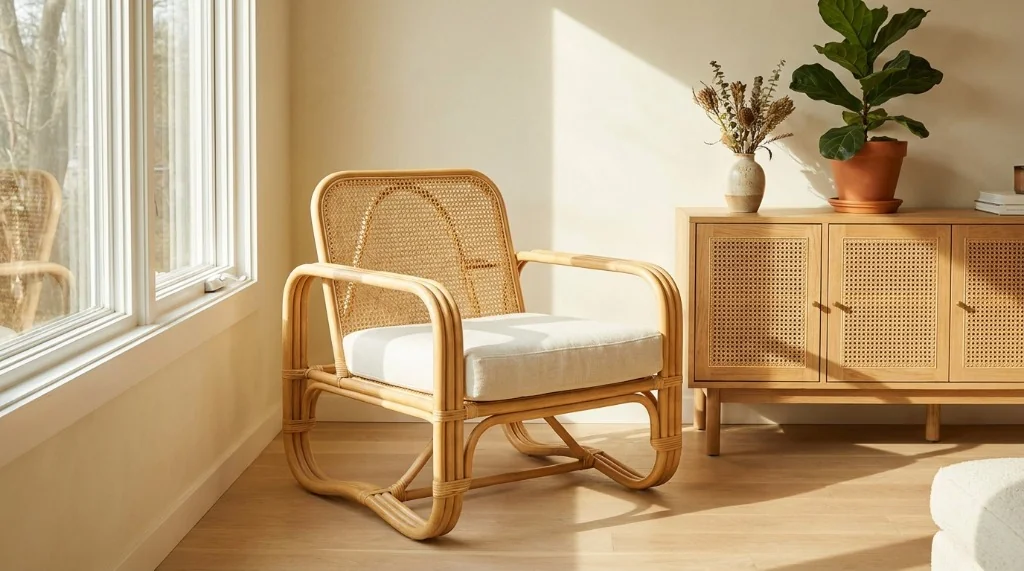
The Core Difference: Natural Rattan vs Synthetic Resin Wicker
Natural rattan comes from palm vines. Artisans steam and bend stems into load-bearing frames. Choosing sustainable rattan furniture brings warm organic texture to indoor living rooms. Synthetic resin wicker uses extruded plastic ribbons. Makers weave them over metal frames to endure weather. Synthetic resin shields patio chairs from moisture rot and sun damage.
Showrooms often mix terminology carelessly. Sales tags use wicker, cane, and rattan interchangeably. This habit confuses home shoppers. Each term names a different part. They describe the finished piece.
Rattan describes the botanical plant species. Botanists classify rattan as a climbing palm native to tropical rainforests. The vine climbs nearby trees. Unlike hollow bamboo, rattan has a solid wood core. Woodworkers steam these solid poles. They bend graceful curves for chair frames and sofa arms.
Cane is the glossy outer bark stripped from rattan vines. Artisans peel this outer skin into flexible ribbons. They weave these peel strips into open hexagonal webbing. Makers set cane panels into seats. They also use them on cabinet doors.
Wicker refers strictly to the weaving method, not the raw material. Artisans weave flexible strands over a rigid skeleton. An outdoor wicker chair uses synthetic plastic strands. An antique rocker uses natural willow reeds. It may use peeled rattan bark.
Botanical Rattan and Rainforest Conservation
Harvesting natural rattan materials protects old-growth rainforest trees. The vine needs tall trees to climb toward forest light. Local farming families harvest vine shoots every five to seven years. Wild vines provide steady income. Local communities protect standing trees from commercial clear-cutting.
Indonesia supplies eighty percent of world rattan. Harvesters work through sustainable forestry concessions. Buying certified sustainable rattan furniture preserves virgin jungle cover. These forest concessions give rural craftspeople dependable jobs. Rattan absorbs carbon during growth. As a renewable material, it needs zero chemical refining.
What Extruded Synthetic Wicker Contains
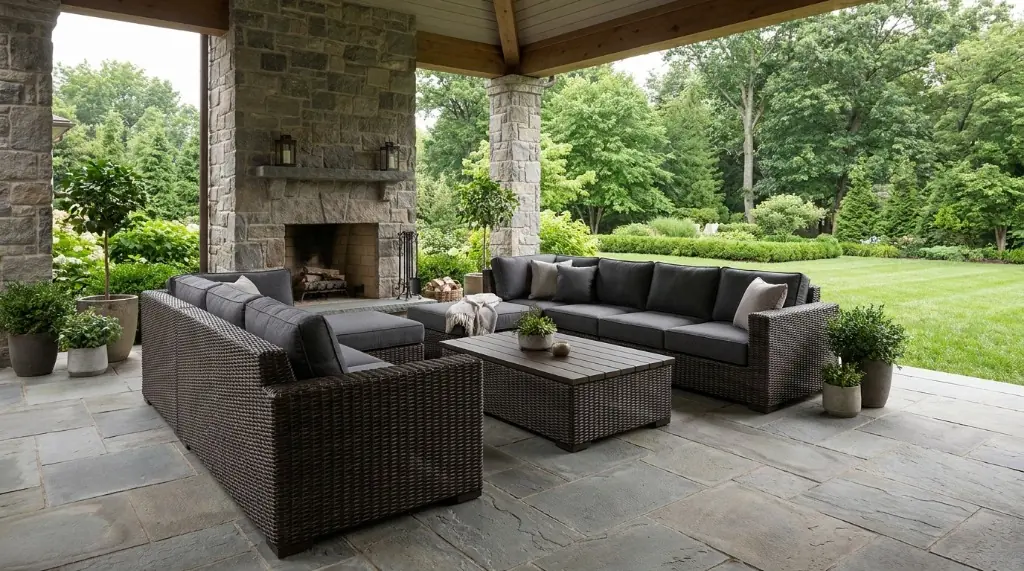
Synthetic outdoor wicker relies on polymer extrusion factories. Chemical makers melt plastic beads. They mix color pigments and UV stabilizers. Machines squeeze the molten blend through shaped dies. The extruded ribbons match natural split cane. While real rattan thrives indoors, synthetic resin wicker shields outdoor decks.
These synthetic strands wrap around welded aluminum frames. The plastic barrier shields inner metal. It blocks heavy rain, lawn sprinklers, and winter frost. The plastic formula matters. The resin blend decides if patio seating lasts fifteen years or cracks quickly.
Material Chemistry: Why HDPE Wins and Cheap PVC Fails
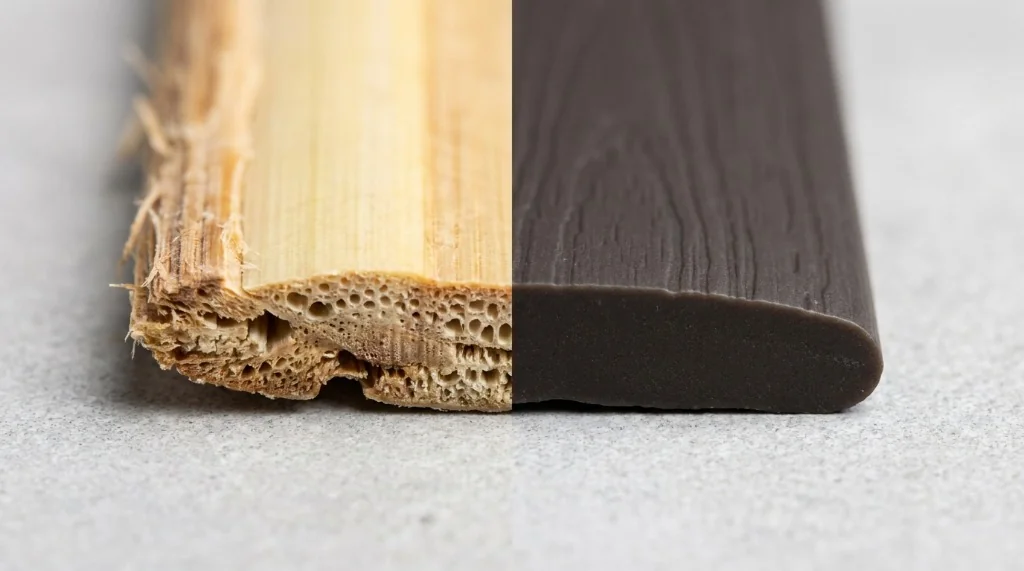
High-density polyethylene resists harsh weather. Its tight molecular structure blocks moisture and sun damage. Cheap PVC uses liquid plasticizers. Direct sun evaporates these chemicals. This loss turns outdoor furniture brittle within three years. Always verify resin chemistry before buying patio furniture.
Synthetic outdoor furniture uses two main plastics. Makers use high-density polyethylene (HDPE) or polyvinyl chloride (PVC). Budget brands substitute cheap PVC. Yet they advertise pieces as all-weather resin wicker.
HDPE is the most durable resin for outdoor furniture. Chemical engineers build this polymer with tightly packed molecular chains. It contains zero liquid plasticizers that dry out over time. Quality makers mix UV blockers throughout the molten resin before extrusion. This deep color saturation prevents fading. Strands will not crack under hot summer sun.
Recycling centers accept clean HDPE under resin code number two. Recyclers melt old HDPE chairs. They mold them into plastic lumber. This closed loop creates a circular product lifecycle.
In contrast, PVC wicker presents severe ecological problems. Rigid PVC requires chemical plasticizers to achieve weaving flexibility. Solar heat forces these chemicals to evaporate into the air. Within three seasons, the plastic strands turn brittle. Body weight snaps the stiff strands across chair seat edges.
Fixing snapped PVC strands is almost impossible. Glues fail to stick to degraded plastic surfaces. The damaged piece goes to a landfill. There, PVC resists breakdown for centuries.
| Performance Metric | Natural Botanical Rattan | High-Density Polyethylene (HDPE) | Polyvinyl Chloride (PVC) |
|---|---|---|---|
| Material Source | Renewable climbing palm vine. | Recycled petroleum resin (Code 2). | Petroleum plastic with chemical plasticizers. |
| Ideal Room Placement | Climate-controlled indoor rooms. | Uncovered outdoor patios and pool decks. | Shaded porches only. |
| Expected Lifespan | 30 to 50+ years indoors. | 10 to 15+ years outdoors. | 2 to 4 years outdoors. |
| Moisture Tolerance | Low. Porous plant fibers absorb moisture. | Total. 100% waterproof barrier. | Moderate. Water-resistant plastic. |
| UV Resistance | Moderate. Fades under direct sun. | Superior. Infused UV inhibitors. | Poor. Turns chalky and snaps. |
| Recyclability | 100% biodegradable compost. | 100% recyclable post-consumer plastic. | Non-recyclable landfill waste. |
| Chemical Emissions | Zero VOC. Pure natural plant cellulose. | Negligible. Non-toxic stable polymer. | High. Emits phthalate fumes. |
The Showroom Scratch and Bend Test
You can spot cheap PVC inside showrooms using two simple tests. Press your thumbnail into a hidden strand. Test the weave under the seat rail. High-grade HDPE resists dents and springs right back. Low-grade PVC leaves a white stress mark where plasticizers shift.
Check the cut end of a weave strand. Inspect it near the back leg. Authentic HDPE features solid color through the whole strand. Check the strand cut. A dark core under thin surface color reveals cheap vinyl wrap. Walk away from these cheap products.
Can Real Rattan Survive Outdoors? The Weather Trap Explained
Real rattan cannot survive outdoors. Rain soaks into the porous plant core. Trapped water creates ideal conditions for rot and black mildew. Direct sunlight bakes out natural oils. It splits vine poles and snaps bindings. Keep your sustainable rattan furniture inside climate-controlled living rooms.
Retail catalogues show rattan chairs by pools. Yet outdoor exposure ruins natural vines. These photos lead buyers to put real rattan outside. The expensive pieces rot within months.
The plant anatomy explains this weakness. Rattan vascular bundles act like tiny straws. They draw groundwater up to rainforest canopies. Rain seeps into stem pores. Water enters deep joint gaps. Trapped water makes the wood core spongy. Fungal spores take root. They cover the weave in dark mildew stains.
Outdoor weather shifts also cause frame distortion. Technicians call this failure racking. Wood fibers absorb rain and dry out in the sun. Over time, vine poles warp. Joint dowels loosen. The entire chair twists out of square. Sitting on a warped chair cracks the main leg poles.
The Natural Rattan Moisture Failure Cycle
- Rain and Humidity: Porous vine stems absorb ambient moisture like a sponge.
- Fiber Swelling: Internal dampness swells wood cells and starts mold growth.
- Direct Sunlight: Rapid surface drying shrinks outer fibers faster than the damp core.
- Frame Racking: Poles split along growth lines. Joint dowels loosen, and the frame twists.
If you use natural rattan on an open porch, follow strict rules:
- Keep six feet of roof overhang from porch edges. This blocks wind-blown rain.
- Ensure air humidity stays below sixty-five percent to prevent mold.
- Bring natural rattan inside for winter. Heated rooms protect dry fibers from frost.
Homeowners wanting outdoor seating should read our guide on sustainable outdoor furniture to compare poly lumber and powder-coated metal.
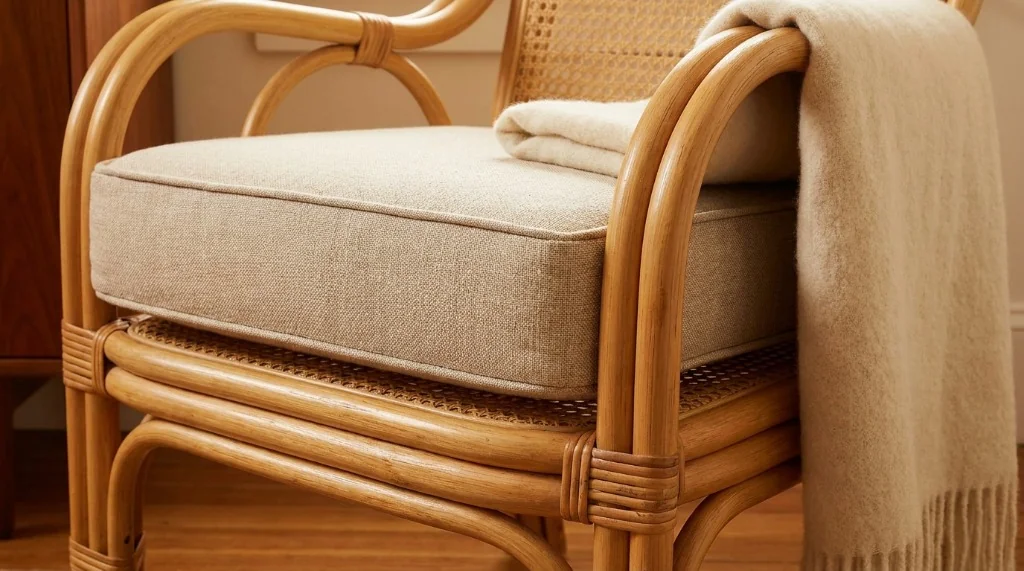
Comfort, Ergonomics, and the 4-Inch Cushion Rule
Woven cane and wicker need dense cushions. Four-inch foam prevents skin marks. It stops woven seats from sagging. High-resilience foam distributes body weight across support rails. Proper cushions turn sustainable rattan furniture into comfortable living room seating.
Many buyers find raw rattan uncomfortable. Hard woven cane pinches skin without cushions. Sitting directly on bare cane pinches skin. It leaves red waffle marks on legs. Bare cane can split over time. Split fibers snag knit sweaters.
You can solve these comfort problems through deliberate cushion engineering:
Foam Density Over Cushion Thickness
Thin polyester pads flatten when you sit. Hip bones press against cane. Your hip bones press right against the hard cane mesh. Choose high-resilience foam rated at 2.2 pounds per cubic foot density. A four-inch pad provides great lumbar support. It keeps your body above the frame.
Webbing Support Protection
Woven cane acts like a springy trampoline. Heavy weight on one spot stretches bark strands. It weakens the weave. A firm seat cushion acts as a bridge. It spreads body weight across the chair frame. This stops the weave from sagging.
Breathable Fabric Casings
Choose Belgian linen covers for indoor chairs. Cotton canvas also breathes well. These organic textiles breathe freely. They complement the airflow that rattan allows. For outdoor synthetic sets, choose solution-dyed acrylic fabrics like Sunbrella. These outdoor covers resist sun fading and repel rain.
When planning living rooms, balance light woven chairs against solid pieces from our sustainable furniture guide.
Where to Buy Sustainable Rattan Furniture: Brand & Material Comparison
Find sustainable rattan furniture with care. Check palm origin, joint wrapping, and weather ratings. Review our brand comparison. It profiles verified natural rattan and resin wicker makers. Each brand lists third-party certifications, core materials, and verified starting price ranges.
| Brand & Model | Primary Materials | Eco Certifications | Starting Price | Best For |
|---|---|---|---|---|
| Sika-Design Originals | Solid Indonesian Wild Rattan. Natural cane peel. | Indonesian SVLK. ISO 14001. | $495 – $750. | Indoor sunrooms and living room reading nooks. |
| Kouboo Handcrafted | Natural Honey Rattan Peel. Solid wood base. | Fair Trade Certified. Artisan Cooperatives. | $149 – $320. | Accent storage ottomans and compact bedroom decor. |
| Yardbird Colby Set | Recycled HDPE Resin Wicker. Welded aluminum frame. | Ocean Plastic Recycled. Sunbrella Fabric. | $1,290 – $1,850. | Uncovered outdoor patios and sunny pool decks. |
| Outer All-Weather Armchairs | 30% Recycled HDPE Wicker. Memory foam cushion. | Cradle to Cradle Certified. OuterShell Cover. | $1,450 – $2,100. | All-season exterior lounge seating. Rain-proof decks. |
| Serena & Lily Riviera | Steam-bent rattan frame. Woven plastic binding. | SVLK Certified Sourcing. Natural Rattan Core. | $348 – $498. | Classic coastal dining rooms and kitchen counters. |
How to Spot Heirloom Sustainable Rattan Furniture: A Buyer’s Inspection Guide
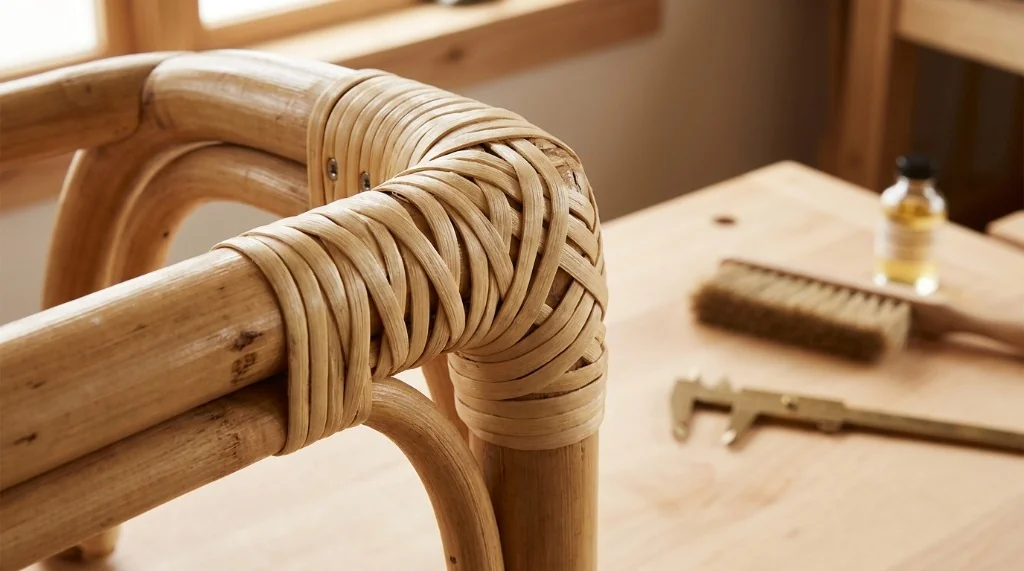
Heirloom sustainable rattan furniture features thick structural poles over 1.25 inches thick, tightly wrapped peel joints, and verified Indonesian forest tracing. Budget pieces use thin poles. Their staples loosen under light weight. Tactile inspection separates lifetime furniture from disposable imports.
Buying genuine rattan means looking past showroom paint to inspect joints. Follow this workshop inspection sequence before buying:
1. Frame Diameter and Weight Ratings
Inspect the main poles across the legs and seat rings. Quality natural rattan furniture uses Grade A rattan poles measuring 1.25 to 1.75 inches thick. Push down on the seat while wiggling armrests. Quality pieces show zero creaking. Premium rattan lounge chairs carry 300 pounds or more.
2. Fastener and Binding Construction
Turn the chair upside down to inspect frame joints. Master woodworkers join poles using internal mortise joints reinforced with screws. They wrap joints with continuous cane peel bindings. Exposed staples, loose wraps, or oozing glue show that the maker cut corners.
3. Supply Chain Verification
Real sustainability requires origin tracking. Look for furniture certified under Indonesia’s SVLK system. This certification verifies legal timber harvesting through third-party audits. FSC-certified brands gather rattan safely. They protect wildlife habitats during harvest.
If pairing woven textures with solid dining tables, check our guide on sustainable hardwood furniture for domestic timber pairings.
Vetted Sustainable Rattan Furniture and All-Weather Wicker Picks
These vetted furniture pieces combine certified sustainability with proven durability. Each model features non-toxic construction. Frames use verified timber documentation. Choose the sustainable rattan furniture design that matches your home.
Sika-Design Originals Monet Rattan Chair
This handcrafted chair exemplifies heirloom sustainable rattan furniture. Specs include Indonesian wild rattan. Artisans steam-bend solid poles. They use hand-tied bindings. The piece uses renewable rattan. A non-toxic waterborne clear coat seals the fibers. Keep this chair in climate-controlled rooms. Humidity above 65% invites mold growth.
Yardbird Colby Outdoor HDPE Wicker Lounge Set
This seating set performs reliably. It excels on open patios and pool decks. The design features extruded HDPE wicker. It includes a rust-proof aluminum frame and Sunbrella cushions. Yardbird blends recycled ocean plastics into its recyclable resin ribbons. This premium set requires winter covers in freezing zones.
Kouboo Round Rattan Storage Ottoman
This compact piece fits small living rooms and bedrooms. Specs include honey rattan peel. It wraps a solid wood frame. A fitted lid covers the 19-inch round base. Indonesian artisan cooperatives handcraft each ottoman from sustainably gathered palm peel. This piece provides footrest comfort and storage but does not support standing weight.
Outer All-Weather Wicker Outdoor Armchair Set
This armchair pair excels on exposed decks. It withstands summer storms and midday sun. Specs include all-weather HDPE wicker. It includes multi-layer foam and a protective cover. Outer blends 30% recycled plastics into a non-toxic resin. The heavy frames require two people to lift and reposition safely.
Pair synthetic wicker with timber seating. Read our trade review on sustainable teak furniture.
Maintenance Routine: Hydrating Fibers and Removing Mildew
Preserve natural sustainable rattan furniture indoors. Dust weekly with a soft brush. Condition fibers once each year. Boiled linseed oil stops surface splits. Remove surface mildew with vinegar. Wash woven strands with one part white vinegar and four parts warm water. Regular care preserves flexible wood tension. Chairs last for decades.
Unlike plastic furniture that tolerates pressure washing, natural rattan needs gentle care:
| Care Frequency | Maintenance Task | Action & Technique |
|---|---|---|
| Weekly | Soft vacuuming. | Use horsehair brush on low suction to clear dust from weave crevices. |
| Monthly | Damp wipe-down. | Wipe with lukewarm damp cloth. Avoid soaking the wood core. |
| Autumn | Linseed oil hydration. | Rub boiled linseed oil to prevent winter furnace drying and splits. |
| Spring | Structural joint inspection. | Tighten screws, check joint wraps, and inspect for mildew. |
The Weekly Dusting Protocol
Dust settles inside weave crevices. Dirt also collects in joints. Dry rags push this dirt deeper into the weave. Attach a soft brush to your vacuum. Sweep panels on low suction. Wipe with a microfiber cloth dampened with warm water. Never soak the rattan because water weakens glue.
Winter Fiber Hydration Recipe
Winter heating dries indoor air. Humidity drops below thirty percent. Dry air pulls moisture out of rattan fibers. Stems lose flexibility. Dry rattan turns brittle. Fiber poles creak and splinter along bends.
Restore wood elasticity every autumn with this conditioning routine:
- Mix two ounces of boiled linseed oil with three drops of orange oil.
- Rub a thin coat over rattan poles. Wipe cane webbing lightly. Use a clean cloth.
- Let the oil soak into wood cells for thirty minutes.
- Buff the surface with a dry towel. Wipe away any extra oil.
Eradicating Fungal Mildew Safely
If summer humidity causes mildew spots on porch furniture, avoid bleach completely. Chlorine bleach damages natural plant fibers. It causes permanent brittleness and yellow stains.
Mix one cup of white vinegar into four cups of warm water. Dip a soft toothbrush into the mix. Scrub mold out of weave crevices. Mild vinegar kills mold spores without hurting plant cellulose. Place the piece in morning sun until completely dry.
For more on non-toxic finishes and air safety, read our guide on sustainable wood furniture finishes.
Frequently Asked Questions About Sustainable Rattan Furniture
Is natural rattan furniture truly eco-friendly?
Natural rattan provides outstanding eco-friendly performance when harvested from managed forests. Harvesters cut palm vines every few years. They leave canopy trees standing. Certified sustainable rattan furniture supports rainforest conservation. Harvesting vines gives communities an economic motive to protect trees.
What makes HDPE resin wicker better than PVC wicker?
HDPE outperforms PVC. It contains zero liquid plasticizers and includes UV blockers throughout the strand. HDPE resists freezing cold and summer heat without cracking or fading. Recycling centers process HDPE easily under code two. PVC ends up as landfill trash.
Can I leave real rattan furniture outdoors under a rain cover?
Never leave natural rattan outdoors permanently. Even waterproof covers trap harmful condensation. Vinyl covers trap ground moisture underneath. This trapped dampness creates a humid dome. It speeds up rot and black mold. Keep natural rattan in climate-controlled indoor rooms.
How do I stop rattan chairs from creaking when I sit down?
Rattan chairs creak when dry fibers shrink. Wood rubs against internal joint dowels. Silence creaking rattan furniture with boiled linseed oil. Hydrating dry fibers stops annoying joint squeaks. Tighten all accessible screws. Place a tailored cushion over cane mesh. This spreads weight across frame rails.