Are Bamboo Sheets Sustainable? 5 Eco Truths Tested
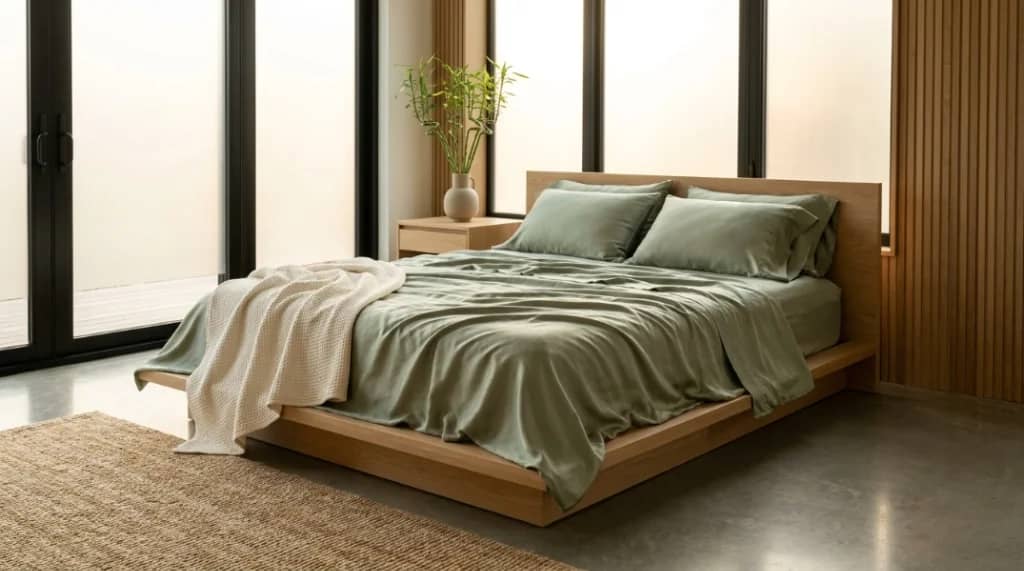
Most commercial bamboo sheets are not eco-friendly. Over ninety percent of bamboo bedding uses the viscose rayon process. This factory method uses toxic chemicals like carbon disulfide and lye. These chemicals melt raw bamboo pulp into synthetic yarn. Only closed-loop bamboo lyocell offers a genuine green profile.
Reader Disclosure: This post contains affiliate links. Buying through links may earn us a small commission at no added cost. We test home bedding textiles for durability. We check fiber safety, non-toxic seals, and clean environmental claims across leading brands.
Raw bamboo grass grows fast without synthetic spray or farm watering. Yet turning woody stalks into silky bedding requires heavy factory chemistry. Brands market bamboo sheets as wonder fabrics. Ads claim they fight bacteria, save water, and break down quickly. Regulators and textile testers tell a different story. Most bamboo bedding is chemical rayon in green packaging.
Are Bamboo Sheets Sustainable? The Viscose vs Lyocell Truth
Commercial bamboo sheets fall into two distinct groups. Most sheets use open-loop viscose processing. This method relies on harsh solvents and produces toxic factory waste. High-end brands use closed-loop bamboo lyocell. This method recycles 99.5 percent of water and solvents. It provides the only truly green bamboo option.
Budget bamboo sheets almost always consist of common viscose rayon. Mill workers cut mature bamboo stalks. They chop them into chips. They soak the wood chips in concentrated sodium hydroxide. This caustic bath breaks plant cells into raw cellulose pulp.
Operators next add liquid carbon disulfide to the wood pulp. This chemical reaction turns plant cellulose into a thick golden gel. Factories push this fluid through tiny metal nozzles into sulfuric acid baths. The acid solidifies the liquid back into artificial yarn filaments.
This chemical method creates hazards for factory workers and nearby rivers. Carbon disulfide fumes can cause nerve damage in mill workers. Without tight controls, dirty factory wastewater runs directly into local streams. This pollution robs river water of oxygen. It harms aquatic life. By the end of processing, no natural plant traits remain. The finished fabric is a chemically rebuilt synthetic yarn.
In contrast, organic 100% organic bamboo lyocell sheet sets use a cleaner solvent spinning system. This process avoids toxic carbon disulfide entirely. Factories dissolve raw wood pulp using a non-toxic organic compound. The entire system runs inside a sealed recycling loop. The mill reclaims and reuses 99.5 percent of all solvent and wash water. This closed cycle keeps toxic waste out of public waters. It also protects mill staff from chemical fumes.
Viscose vs Lyocell vs True Bamboo Linen: The Production Methods Compared
Bedding labels reveal how factories make each bamboo textile. Bamboo viscose relies on heavy acids and low solvent recovery. Bamboo lyocell uses non-toxic organic solvents inside a 99.5 percent closed recovery loop. True bamboo linen uses mechanical rollers and enzymes. It creates pure natural fiber without chemical dissolving baths.
Inspect the care tag on any bedding set before buying. Look for specific processing terms on the fabric label. This comparison chart shows chemical inputs and recycling rates. It outlines environmental impacts across all three production methods.
| Fiber Production Method. | Primary Chemical Inputs. | Solvent Recovery Rate. | Environmental Impact. | Fabric Texture & Feel. |
|---|---|---|---|---|
| Bamboo Viscose / Rayon. | Carbon disulfide, lye, and acid. | 0% to 50% recovery rate. | High chemical and sulfur waste. | Slick, silky sheen with heavy drape. |
| Bamboo Lyocell (CleanBamboo). | Non-toxic organic solvent. | 99.5% recovered in sealed loop. | Low impact with minimal waste. | Soft matte finish with light drape. |
| True Bamboo Linen (Bast). | Natural enzymes and water. | 100% chemical-free water retting. | Ultra-low carbon footprint. | Crisp textured weave like raw flax. |
True bamboo linen is the rarest and greenest option available. Workers crush woody bamboo stalks between heavy steel rollers. They add natural plant enzymes to loosen tough fibers. Then workers comb out raw strands by hand.
Milling facilities spin these raw fibers into yarn without chemical baths. True bamboo linen offers great eco marks. However, the raw fabric feels stiff and coarse. It feels similar to raw burlap or rough canvas. It also wrinkles heavily in the wash. Because shoppers prefer silky softness, brands rarely produce true bamboo linen.
Deceptive retail marketing led the Federal Trade Commission to step in. Regulators ruled that brands cannot label chemically treated viscose as pure bamboo. Federal rules require clear tags. Labels must state rayon made from bamboo or viscose made from bamboo. The agency fined major retail chains millions of dollars for false eco claims.
The Tactile Sleep Experience: Slipperiness, Breathability, and Heat Retention
Bamboo viscose sheets feel silky, slick, and cool to the touch. However, dense rayon fibers drape heavily. The fabric clings close to your skin. This close cling traps body heat under heavy blankets. Crisp cotton percale stands off your skin. It allows cool air to circulate freely all night.
Online advertisements promote bamboo bedding as a cool oasis for hot sleepers. Real bedroom tests show a different picture. Your sleep position and body heat change how bamboo fabric performs.
Bamboo viscose has low surface friction. It slides smooth against skin when you climb into bed. But dense regenerated fibers create a heavy, fluid cloth. The fabric hugs every curve of your body like wet silk. It cannot form open air pockets over your limbs. This tight fit traps warm air against your skin under heavy duvets.
The slick surface of bamboo rayon also causes daily bedroom annoyances. Flat sheets slide off the bed during normal tossing and turning. Smooth pillowcases shoot memory foam pillows onto the floor. Fitted sheets can pop off mattress corners. Use deep corner pockets and wide elastic bands to keep them in place.
If you want silky softness without poor airflow, choose certified products. Look for OEKO-TEX certified bamboo rayon cooling sheets woven in a twill pattern. A diagonal twill weave adds small surface ridges. These ridges lift fabric off your skin. They boost air circulation over flat sateen weaves.
Durability and Lifespan: Do Bamboo Sheets Hold Up in the Real World?
Bamboo sheets offer shorter lifespans than long-staple cotton or linen bedding. Bamboo viscose weakens when wet. Washing makes the fibers vulnerable to friction. Most bamboo sheet sets last two to three years before pilling. In contrast, organic cotton and European linen routinely last five to ten years.
Product lifespan sits at the core of true sustainability. Sheets that pill quickly end up in town dumps. Fast replacements wipe out any green benefits from growing raw bamboo grass.
Bamboo viscose shows clear weak points compared to cotton. Rayon fibers lose tensile strength when soaked in water. Wet fibers swell up and snap under spin cycles. Washing bamboo sheets in hot water causes surface tears. High spin speeds also damage threads. Foot friction creates rough pill balls on bottom sheets within nine months.
Thread count claims also confuse many buyers. Online sellers often claim fake thread counts of one or two thousand. In truth, single-ply bamboo bedding caps at 250 to 400 thread count. Higher numbers mean mills used thin multi-ply strands. These weak threads pill quickly under daily foot movement.
To help bamboo sheets last longer, follow gentle wash routines. Wash bedding in cold water on a gentle cycle. Use a gentle eco detergent for delicate bamboo bedding without harsh enzymes, brighteners, or bleach. Tumble dry on low heat for twenty minutes. Pull sheets out while slightly damp. Hang them on a drying rack to finish.
The Biodegradability Myth and True Cost Per Sleep
Commercial bamboo sheets do not break down quickly in city landfills. Mills treat bamboo rayon with synthetic finishing resins. These resins resist wrinkles and static cling. Starved of light and air in dumps, coated fibers endure for decades. Calculating cost per sleep reveals whether sheets provide real value.
Many brands claim their bamboo bedding is fully biodegradable. This claim leads shoppers to think discarded sheets turn into garden mulch. In reality, chemical finishes lock the fibers together. Buried under landfill trash without oxygen, bamboo rayon sits intact for decades like polyester.
Compare your cost per sleep over five to ten years to find real value. A quality set of bamboo viscose sheets costs about 160 dollars. It lasts two years before wear forces you to replace it. That comes out to eighty dollars per year of use.
In contrast, organic cotton percale or pure European flax linen costs around 220 dollars. Yet these natural fabrics last eight to ten years with basic care. Your cost per year drops to under twenty-five dollars. This choice keeps three worn sheet sets out of local landfills.
Health and Non-Toxic Certifications: What to Look for on the Label
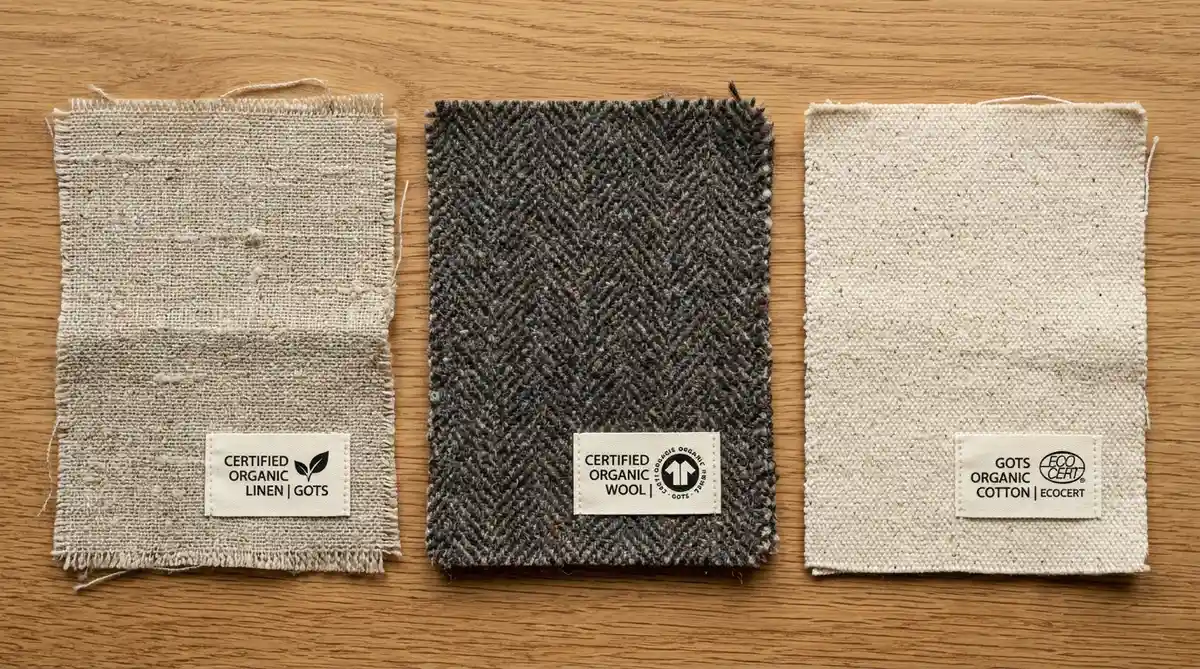
Independent seals offer clear proof of clean processing and fiber safety. An OEKO-TEX Standard 100 seal ensures finished sheets contain zero toxic residues. An FSC label confirms bamboo comes from responsibly managed forests. A GOTS seal verifies organic crop purity and fair worker treatment.
Do not rely on vague eco claims printed on bedding boxes. Look for these three verified seals from independent testing agencies:
- OEKO-TEX Standard 100: This test screens finished cloth for hundreds of toxic chemicals. It checks for formaldehyde, heavy metals, and harsh dye residues. An OEKO-TEX label proves finished sheets are safe for direct skin contact.
- Forest Stewardship Council (FSC): Bamboo demand leads some growers to clear natural forests for bamboo farms. An FSC seal guarantees bamboo grows on well-managed farms that protect native soil and wildlife.
- Global Organic Textile Standard (GOTS): GOTS inspects organic farm crops and clean lyocell mills. A GOTS tag guarantees clean farming, green processing, and fair worker pay.
Better Eco-Friendly Alternatives: Organic Cotton and European Flax Linen
Organic cotton percale and European linen offer far better eco value than bamboo viscose. Organic cotton grows without synthetic sprays. It breathes freely through a crisp weave. European flax linen grows on rainwater alone. It requires zero farm watering. It resists wear for decades and breaks down in garden soil.
Choose two proven natural fabrics for real sustainability: organic cotton percale and European flax linen.
A set of GOTS certified organic cotton percale sheets gives you clean, crisp comfort without toxic chemical baths. Organic cotton farms use compost and crop rotation to control pests. They avoid synthetic fertilizers and harsh sprays.
The simple one-over-one-under percale weave lets body heat escape between threads. This steady airflow keeps hot sleepers cool and dry all night. Quality organic cotton bedding lasts five to ten years without pilling.

For an heirloom textile that lasts for decades, choose a 100% pure European flax linen sheet set. Flax grows in Belgium, northern France, and the Netherlands. The crop thrives on natural rainfall without artificial irrigation lines. Processors use seeds for linseed oil and turn stalks into strong yarn. This process leaves zero farm waste behind.
Flax fibers have a hollow core. This core balances sleep temperature across all seasons. Linen pulls sweat away from skin in summer heat. It traps warm air during cold winter nights. Pure linen grows softer with every wash without losing tensile strength. Untreated linen breaks down in garden soil in just a few months.
Frequently Asked Questions About Bamboo Bedding Sustainability
Review straightforward answers to common questions about bamboo sheets. Learn why regulators fined sheet sellers. Compare bamboo to cotton and find durable options.
Why did the FTC fine retailers over bamboo sheet claims?
The FTC fined retailers millions of dollars for marketing rayon sheets as pure bamboo. Chemical viscose baths strip away all living plant properties from bamboo stalks. Claiming that rayon sheets retain natural antibacterial traits violates federal textile rules.
Are bamboo sheets better for hot sleepers than cotton?
Bamboo sheets feel cool when you first touch them. However, crisp organic cotton percale breathes better through the night. Percale stands off your skin and vents warm air. Clingy bamboo rayon can trap body heat under blankets.
Is bamboo lyocell more eco-friendly than bamboo viscose?
Bamboo lyocell is much greener than bamboo viscose. Lyocell processing uses a non-toxic organic solvent inside a sealed recovery loop. The mill recycles 99.5 percent of chemicals and water. This design prevents harmful waste from polluting public rivers.
How long do bamboo sheets typically last?
Standard bamboo viscose sheets last two to three years before tearing. In comparison, organic cotton and European linen last five to ten years in normal home use.
What is the most sustainable bedding material overall?
European flax linen is the greenest bedding choice today. Flax grows on natural rainfall without farm watering or chemical sprays. It lasts for decades of use and rots cleanly in natural soil.
Coordinate Your Bedroom with Sustainable Home Textiles
Plan a healthy, non-toxic bedroom with our eco-friendly home decor guides:
- Sustainable Bamboo Furniture: Eco-Friendly Decor Guide.
- Sustainable Bedroom Furniture: Non-Toxic Bed Frames and Dressers.
- Fair Trade Home Decor Brands: Ethical Artisan Rugs and Bedding.
- Natural Home Decor Ideas: Organic Materials and Earthy Textures.
- What Size Rug for a Queen Bed? Placement Rules and Diagrams.