Sustainable Nursery Furniture: Safer Cribs Dressers and Gliders
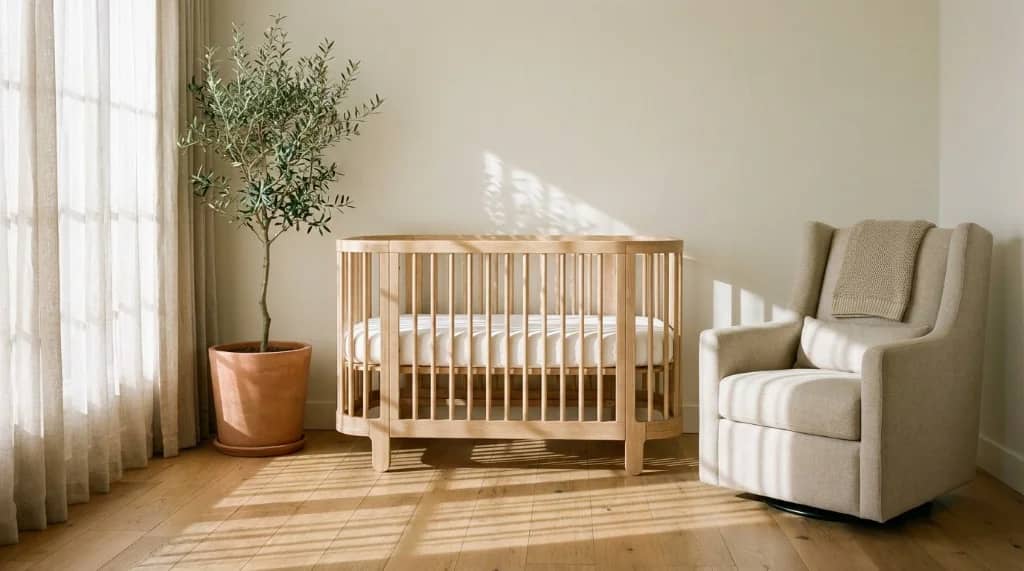
Sustainable nursery furniture pairs solid wood with food-grade finishes. It uses certified non-toxic fabrics to protect infant health. Clean pieces eliminate room fumes and prevent tip-overs. Prioritize FSC timber, GREENGUARD Gold cases, and safe padding. These safe materials protect growing lungs. They provide sturdy service as your child grows.
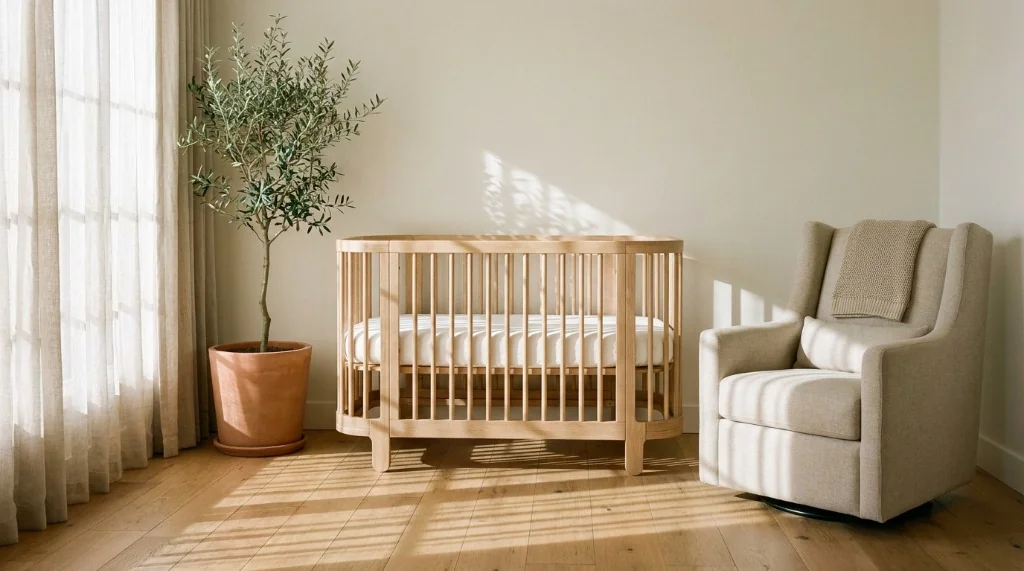
Designing a nursery means putting chemical safety first. Newborns sleep up to sixteen hours each day in small rooms. Standard cribs rely on particleboard and glue. These boards leak fumes into nursery air. Solid wood furniture and plant finishes create a clean room. Safe wood protects small lungs and lasts for years.
Non-Toxic Convertible Cribs: Slat Spacing, Teething Rails, and Longevity
A non-toxic crib pairs solid hardwood with safe slat gaps. Openings stay under 2.375 inches. It uses food-grade finishes safe for teething gums. This standard stops toxic ingestion as baby teeth emerge. It prevents head trapping. Always check lab seals before buying any crib.
Slat Gap Physics and Teething Rail Safety Standards
Crib safety demands strict physical measurements. The ASTM F1169 rule sets strict limits. Crib slat gaps must stay under 2.375 inches. Wider gaps let a baby slip through. The head stays trapped. This creates severe choking hazards. Solid wood slats hold this spacing under kicks. Cheap composite slats bend under body weight.
Around seven months, babies pull up to stand. Teething babies chew top rails to soothe sore gums. Cheap cribs use brittle lacquers with plastic chemicals. Chewing flakes off this dry lacquer. Babies then swallow these paint flakes.
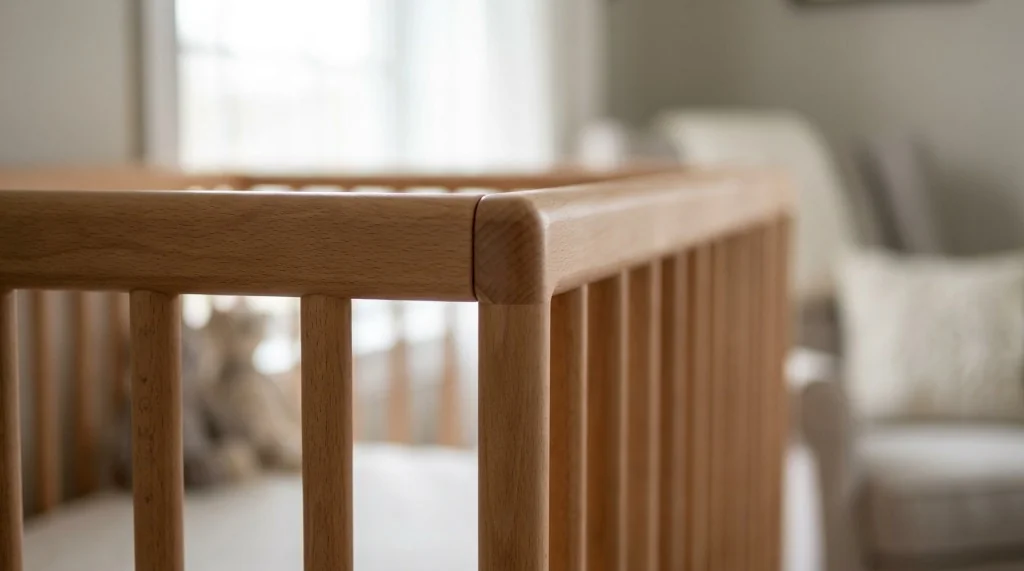
Certified non-toxic cribs use plant oils, beeswax, or water coats. These finishes pass heavy metal tests under ASTM F963. They soak into wood pores without flaking. Solid beech and maple resist splintering from baby teeth. For parent rooms, read our guide on sustainable bedroom furniture.
Multi-Stage Convertible Kits from Infancy to Adolescence
True green design outlasts short baby stages. A basic crib lasts only eighteen months. Then a child outgrows it. Parents throw away thirty pounds of wood. In contrast, 4-in-1 cribs convert to toddler beds, daybeds, and full headboards.
Inspect conversion hardware before you buy. Reliable makers use steel brackets and threaded brass inserts. These parts handle repeated moves. Soft pine lacks metal inserts. Screws strip holes on the second move. The bed turns wobbly. Choose conversion kits rated for 500 pounds.
Solid Wood Changing Dressers: Dual-Purpose Storage and Anti-Tip Engineering
A safe nursery dresser pairs hardwood cases with a removable changing topper. It includes steel anti-tip hardware to stop tip-overs. These units replace single-use tables. They store child clothes for decades. Inspect drawer joints and wall anchors before buying any chest.
Changing Topper Attachment Mechanics and Surface Ergonomics
Single-use changing tables become useless in two years. A wood double dresser with a removable topper gives lasting value. An ideal diaper tray sits 34 to 36 inches high. This matches adult waist level. The right height protects parents from lower back strain during daily changes.
Check how the topper bolts to the dresser. Weak designs screw into the top surface. Those holes ruin the wood top forever. Better units use rear steel brackets. They bolt into the back panel. Felt pads under the tray stop scratches. Three-inch safety walls keep pads secure during changes.
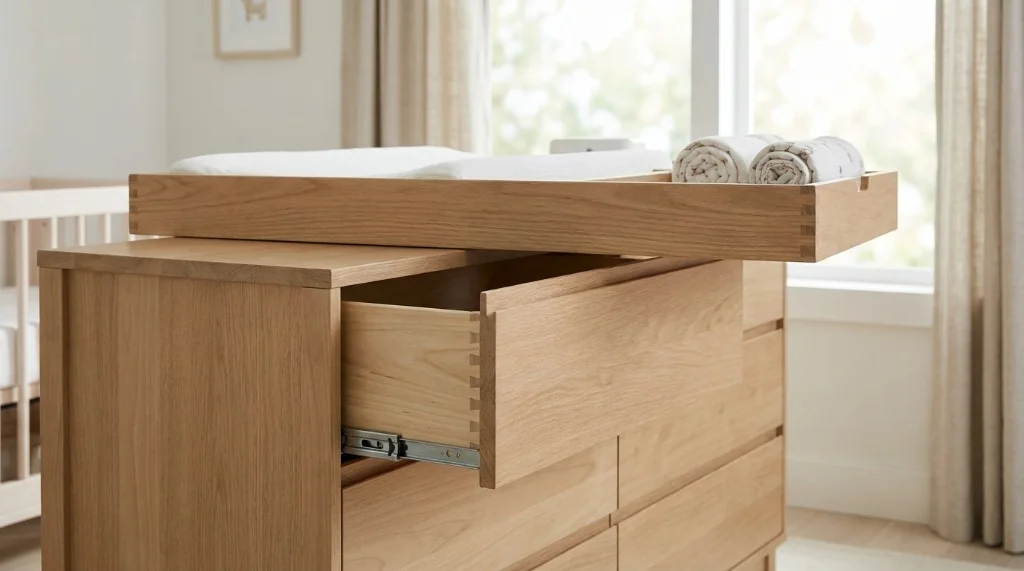
Choosing real sustainable wood furniture guarantees heavy stability. Heavy timber cases keep nursery storage upright. Compare nursery materials across density and chemical safety metrics:
| Material Type | Structural Density | Off-Gassing Risk | Tip-Over Resistance Baseline |
|---|---|---|---|
| Solid American Hardwood | High (44 lbs/cu.ft). | Zero. Raw wood and plant oil. | Superior self-weight stability. Solid stance. |
| FSC New Zealand Pine | Medium (32 lbs/cu.ft). | Negligible. Natural timber pores. | Good stability. Needs secure wall anchor. |
| Medium-Density Fiberboard | High (48 lbs/cu.ft). | High. Urea-formaldehyde resins. | Moderate. Prone to core bracket tear-out. |
| Particle Board / Chipboard | Low (36 lbs/cu.ft). | High. Synthetic glue binders. | Poor. Screws pull out under light force. |
Interlocking Safety Drawer Slides and Wall Stud Anchoring
Curious toddlers treat open drawers like stairs. Stepping on a drawer shifts dresser weight forward. Tip-overs cause thousands of injuries each year. Quality nursery chests meet the ASTM F2057 safety rule. Drawer locks stop kids from opening multiple drawers at once.
Quality makers build drawer boxes from solid wood. They join corners with English dovetails. These wedge joints resist pull force without coming loose. Thick drawer bottoms stop sagging under clothes. Always anchor dressers to two wall studs. Use steel cables and metal brackets.
Where to Buy Sustainable Nursery Furniture: Brand & Safety Comparison
Finding safe nursery furniture means checking wood sources and non-toxic seals. Check stability tests before buying. The table below lists verified baby furniture makers. Each brand shows third-party seals, wood types, and starting prices. Compare these options to balance budget and safety.
| Brand & Model | Primary Materials | Eco & Safety Seals | Starting Price | Best For |
|---|---|---|---|---|
| Babyletto Lolly Crib | Solid New Zealand Pine. Non-toxic finishes. | GREENGUARD Gold. ASTM F1169. | $399 – $499. | Modern convertible nursery. Small nursery footprints. |
| DaVinci Kalani 4-in-1 | Sustainable Pine wood. Metal mattress support. | GREENGUARD Gold. Lead-Safe Tested. | $219 – $299. | Affordable non-toxic sleep. Multi-stage conversions. |
| Oeuf Sparrow Crib | Solid Birch and Baltic Birch Plywood. Water finishes. | FSC Certified. E1 Formaldehyde. | $895 – $995. | Artisan heirloom nursery. European safety design. |
| Romina Karisma Dresser | Solid European Beech hardwood. Organic tree oils. | GREENGUARD Gold. 100% Solid Wood. | $1,195 – $1,450. | Heirloom lifetime dressers. Dovetail drawer strength. |
| DaVinci Olive Glider | FSC Hardwood frame. CertiPUR-US foam padding. | GREENGUARD Gold. Zero Retardants. | $349 – $429. | Silent nocturnal nursing. Ergonomic lumbar comfort. |
Ergonomic Nursing Gliders: Non-Toxic Foam, Quiet Hardware, and Organic Fabrics
A safe nursing glider pairs an FSC wood frame with certified foam. It uses chemical-free fabric. This chair provides back support during late-night feeds. It stops toxic off-gassing near your baby. Check foam safety and swivel parts before buying nursery seating.
CertiPUR-US Foam vs Natural Latex Core Chemistry
Standard nursery gliders use petroleum foam with harsh flame chemicals. These chemicals off-gas into nursery air and settle in dust. Inhaling chemical dust harms infant brain growth.
Safe chairs use CertiPUR-US foam or natural rubber latex. CertiPUR-US rules ban flame chemicals and phthalates. Natural tree latex offers a clean organic choice. Rubber foam gives mold resistance, springy comfort, and zero fumes.
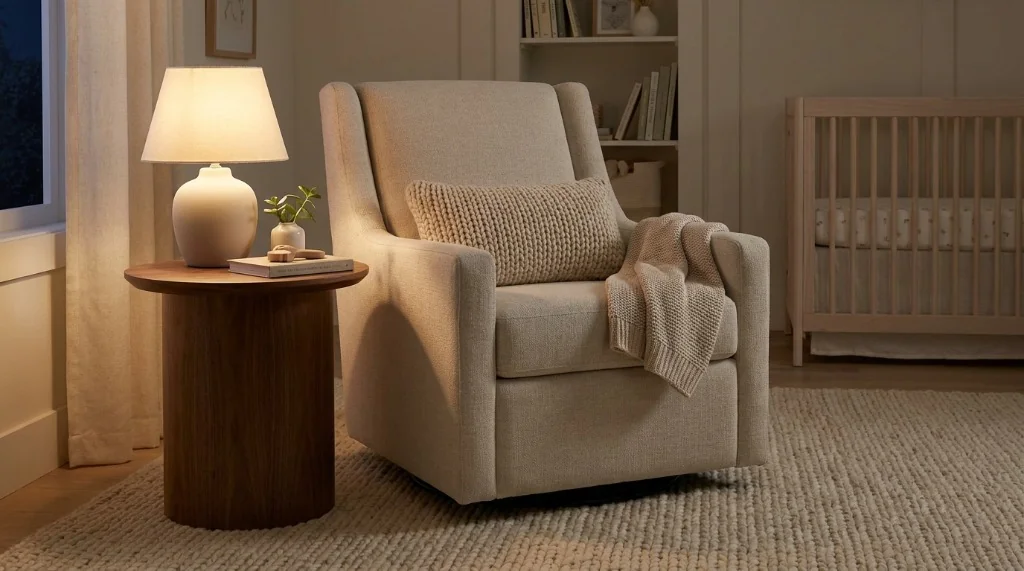
Precision Steel Ball-Bearing Glides and Ergonomic Lumbar Support
Nursing a baby requires comfort during long feeds. A good glider features a high backrest. It supports adult neck posture. Wide armrests hold adult arms during feeds. Good arm support relieves upper back strain.
Check the gliding base under the chair. Cheap metal arms squeak after a few months. Quality gliders use steel ball bearings. They glide back and forth in silence. Smooth motion soothes crying babies. For more ideas, read our sustainable furniture guide.
Nursery Air Quality: Zero-VOC Finishes and the 14-Day Air-Out Protocol
Protecting nursery air requires GREENGUARD Gold certified furniture. Air out the room for fourteen days before birth. Newborns breathe fast. Clean pieces and vented shipping boxes guarantee pure air for baby. Set up pieces early. Good airflow keeps indoor nursery air fresh and safe.
The Vulnerability of Developing Infant Respiratory Systems
Infant airways remain fragile after birth. Chemical fumes like benzene irritate small lungs. Fumes raise risks of asthma and skin rash. Closed nurseries with shut windows make these dangers worse.
Cheap composite boards off-gas chemical fumes for months. In contrast, solid wood treated with plant oils releases zero fumes. Certified materials keep room air clean.
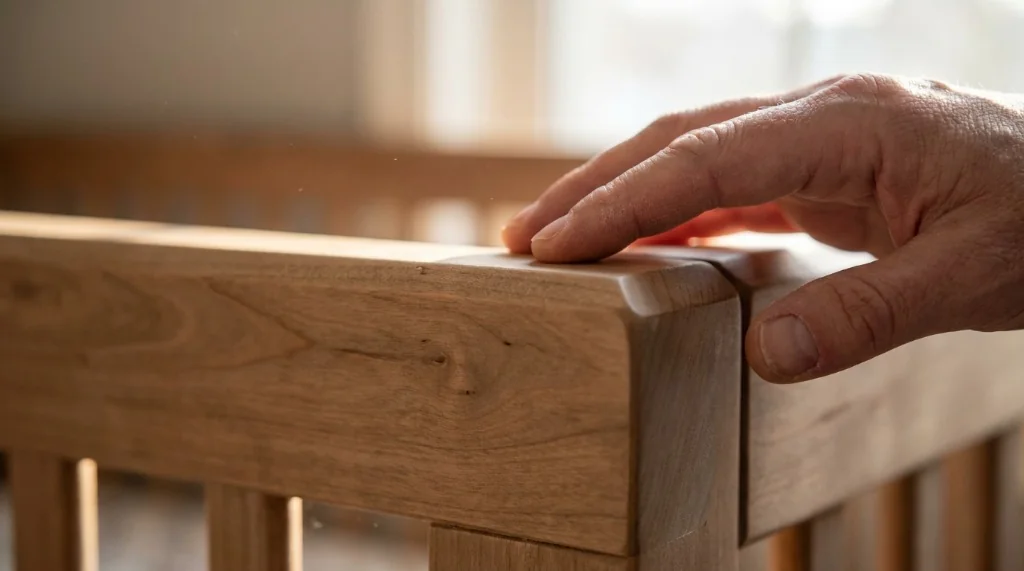
GREENGUARD Gold Benchmarks and the Active Ventilation Window
Third-party testing proves clean air quality. The UL GREENGUARD Gold mark sets a strict safety bar. Products undergo chamber tests. Tests check safe limits for 360 chemical gases. This standard shields sensitive babies.
Run a two-week air-out plan before baby arrives. Unpack boxes in a garage. Leave them two days to clear box odors. Build furniture two weeks before your due date. Run a window fan on low to keep fresh air moving. For verified brands, explore our directory of sustainable furniture brands.
Vetted Sustainable Nursery Selections: Certified Cribs, Dressers, and Gliders
Finding safe nursery pieces means checking wood sources and safety tests. The three vetted picks combine solid wood with non-toxic finishes. Each item meets strict safety rules. Check these top picks to find the right fit for your nursery. Solid pieces protect children and last for years.
Certified Solid Wood 3-in-1 Convertible Crib
This crib uses FSC solid pine with round slats. It carries full GREENGUARD Gold certification. Lab tests confirm zero lead, phthalates, or toxic fumes. The included rail converts the frame to a toddler bed and daybed. This extends use through age four.
Four mattress heights adjust as your baby learns to sit and stand. A safe waterborne coat shields rails from teeth marks without fumes.
Solid Hardwood 6-Drawer Changing Dresser with Anti-Tip Cleats
Crafted from solid poplar and birch, this chest provides six deep drawers. It stores baby clothes and diapers with ease. All drawers feature English dovetails. The changing tray bolts through rear steel brackets. This mount saves the wood top for later years.
The chest passes ASTM F2057 stability tests. It uses drawer interlocks and steel wall cables. Safe finishes protect indoor air right by your diaper station.
Non-Toxic Upholstered Swivel Glider with Organic Cotton Fabric
Built for nursing parents. This glider pairs an FSC wood frame with certified foam. The cover uses GOTS organic cotton. It skips toxic flame chemicals and stain sprays.
A steel ball-bearing base gives silent 360-degree turns and smooth glide action. A lumbar pillow and tall backrest prevent neck fatigue during night feeds. For dining furniture, read our guide on sustainable hardwood furniture.
Nursery Furniture Assembly, Safety Audits, and Care
Caring for nursery pieces requires regular checks. Baby kicks and toddler climbing loosen bolts over time. Follow three simple checks to keep furniture sturdy. Routine upkeep stops accidents. It protects solid timber and prevents joint wobble. Simple maintenance keeps your child safe every day.
First, check crib bolts each month with a hex wrench. Baby movement loosens screws over time. Tightening loose bolts keeps the crib solid and stops squeaks.
Second, inspect wall cables every three months. Ensure brackets sit flat against drywall with zero cable slack. Tug on the dresser top to confirm anchors hold firm.
Third, wipe milk spills quickly. Use a damp cloth and mild soap. Dry the wood with a cotton towel. Puddled liquids soften wax and cause swelling.
Frequently Asked Questions About Sustainable Nursery Furniture
Safe nursery furniture balances physical stability with clean indoor air. Cribs and dressers rely on solid timber, non-toxic finishes, and certified foam. The answers below address common parent questions. They cover chemical tests, slat spacing, and room air. Clear answers help you build a healthy home.
What makes a baby crib GREENGUARD Gold certified?
GREENGUARD Gold marks confirm strict health limits. Tests check for 360 chemical gases. Chamber tests prove the crib releases zero harmful fumes. This clean standard shields small lungs.
Why should parents avoid chemical flame retardants in nursery gliders?
Flame chemicals off-gas into air and settle in room dust. Breathing dust exposes babies to hormone disruption and health risks. Choose CertiPUR-US foam and organic cotton to avoid added flame chemicals.
What slat spacing protects infants from crib entrapment?
Keep crib slat gaps at or below 2.375 inches. This gap stops a baby from slipping through. It keeps their head safe. Solid wood slats hold this gap without bending under pressure.
How long should new nursery furniture air out before baby arrives?
Let new furniture air out for fourteen days in an open room. Unpack boxes early. Build the crib two weeks before your due date. Run a window fan to flush indoor air.