
Verified Technical Specs
2013 Land Rover Range Rover Evoque Cabin & Engine Air Filter Sizes, OEM Part Numbers & DIY Location Guide
Generation L538 / L551 (2012 to 2026) • Fast DIY Installation Guide
CF10285
Cabin Filter (Fram)
N/A (EV)
Engine Filter (Fram)
8.8" × 7.8"
Cabin Dimensions
10 to 15 mins total
DIY Time
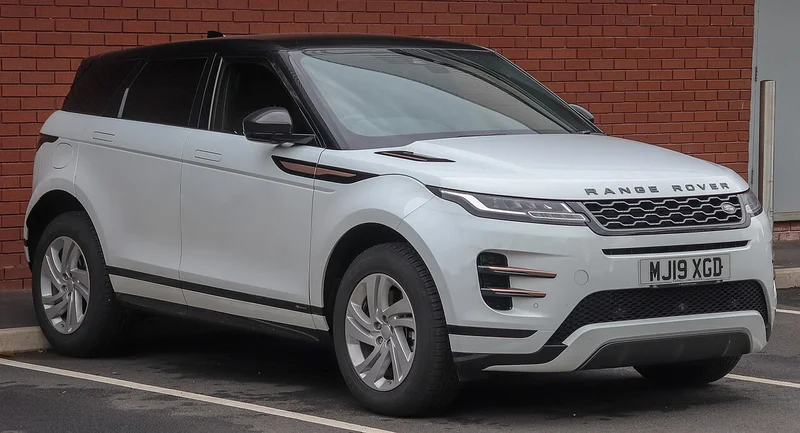
Quick Answer: The database lists a cabin filter measuring 8.8 × 7.8 × 1.1 inches, with OEM reference OEM-FILTER-STD and Fram reference CF10285, for the 2013 Land Rover Range Rover Evoque. This record is fully electric and has no combustion-engine air filter. Confirm the generation, engine, trim, and existing filter number before ordering.
Select Land Rover Range Rover Evoque (L538 / L551) Model Year:
Listed Filter Part Numbers and Reference Dimensions
Cabin Air Filter (Passenger HVAC)
Air conditioning & heating breathing air
OEM Part Number
OEM-FILTER-STD
Fram Fresh Breeze
CF10285
Wix Premium Filter
24483
Dimensions (Inches)
8.8" × 7.8" × 1.1"
Dimensions (Metric)
224 × 198 × 28 mm
Airflow Direction Record
Points downward toward blower motor fan
Location Reference
Behind passenger glovebox compartment
Engine Air Intake Filter
All-Electric Architecture
Powertrain Type
All-Electric (BEV)
Engine Air Filter
Not Applicable (No Combustion Intake)
Secondary Filtration
Bioweapon Defense / HEPA Frunk Filter
Disclosure: SelectMyBlog participates in the Amazon Services LLC Associates Program. Clicking part links may earn us an affiliate commission at zero additional cost to you.
2013 Land Rover Range Rover Evoque Cabin Air Filter Direction
Vehicle record: Points downward toward blower motor fan
Confirm the marking on the replacement filter and housing. An Air Flow arrow shows the direction air travels through the media. A This Side Up marking shows physical orientation. Do not apply a universal up-or-down rule to every vehicle.
How to Replace the 2013 Land Rover Range Rover Evoque Cabin Air Filter
Location reference: Behind passenger glovebox compartment. Access design varies by vehicle, so use the owner manual or a model-specific service procedure before removing trim or opening the ventilation housing.
1
Confirm the Filter and Access Location
Match the year, generation, trim, and cabin filter part number. Confirm the listed housing location before starting.
2
Record the Existing Orientation
Photograph or note the old filter marking and housing label before removal. Check whether the label says Air Flow or This Side Up.
3
Open the Access Cover Correctly
Follow the vehicle-specific procedure for clips, screws, glove box components, or cowl panels. Do not force an access cover that remains attached.
4
Remove the Old Filter and Control Debris
Pull the old filter out slowly. Keep loose leaves and dust from falling deeper into the ventilation housing.
5
Install, Close, and Test
Compare the new frame with the old filter, follow the confirmed marking, seat the filter evenly, close the access cover, and test ventilation airflow.
2013 Land Rover Range Rover Evoque Air Filter Replacement Cost Factors
Replacement cost depends on the selected filter, part brand, local labor rate, and access difficulty. Confirm the exact part number before comparing prices.
For a useful comparison, request a written service quote that separates parts and labor, then compare it with the price of the same part number or an equivalent verified replacement.
Frequently Asked Questions About 2013 Land Rover Range Rover Evoque Air Filter Maintenance
What direction should the airflow arrow point on a 2013 Land Rover Range Rover Evoque cabin air filter?
The vehicle record lists the cabin filter direction as Points downward toward blower motor fan. Confirm the marking on the filter and housing. An Air Flow arrow shows airflow direction, while a This Side Up marking shows physical orientation.
Where is the cabin air filter located on the 2013 Land Rover Range Rover Evoque?
The vehicle record lists the cabin air filter location as Behind passenger glovebox compartment. Access panels, fasteners, and removal steps can vary, so check the owner manual or a vehicle-specific service procedure before removing trim.
Can a dirty engine air filter trigger the check engine light on a 2013 Land Rover Range Rover Evoque?
The 2013 Land Rover Range Rover Evoque is listed as fully electric and does not use a combustion-engine intake filter.
How often should I replace the cabin and engine air filters on my 2013 Land Rover Range Rover Evoque?
Follow the maintenance schedule in the 2013 Land Rover Range Rover Evoque owner manual. Timing depends on mileage, time, filter type, and driving environment. Inspect sooner in dusty, smoky, or debris-heavy conditions.
How much does it cost to replace the air filters on a 2013 Land Rover Range Rover Evoque at a dealership vs DIY?
Cost depends on the selected filter, local labor rate, and access difficulty. Confirm the exact part number, then compare the part price with a written service quote that separates parts and labor.
Why does my car blower motor vibrate or buzz loudly after changing the cabin air filter?
Loose debris in the blower housing is one possible cause, but the filter, access cover, fan, and other ventilation components can also create noise. Stop using the fan if severe vibration starts and inspect the housing or seek qualified diagnosis.
What is the difference between standard paper, activated carbon, and HEPA cabin filters?
Standard particulate media targets airborne debris. Activated-carbon products add an adsorbent layer for some odors and gases. Products marketed as HEPA or high efficiency should be compared using the manufacturer rating and verified vehicle fitment.
Will an aftermarket oiled air filter void my vehicle warranty or damage my engine?
Not applicable to this all-electric vehicle.
What are the exact dimensions of the 2013 Land Rover Range Rover Evoque air filters?
The database lists the cabin filter at 8.8 inches long by 7.8 inches wide by 1.1 inches thick. This electric vehicle does not use a combustion-engine intake filter. Confirm the part number and physical fit before ordering.
What tools do I need to replace the air filters on a 2013 Land Rover Range Rover Evoque?
Tool requirements depend on the access design. Check the cabin filter procedure before removing panels. No combustion-engine air filter service applies to this vehicle.
Complete 2013 Land Rover Range Rover Evoque Maintenance Specifications & Fluid Capacities: