Sustainable Office Furniture for Home Workspaces
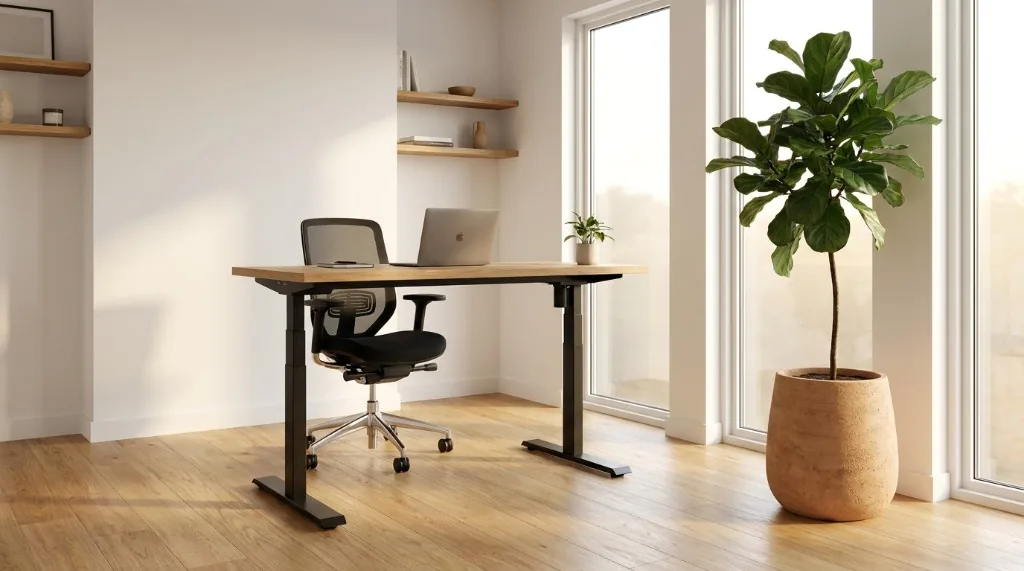
Sustainable office furniture pairs domestic solid timber with recycled steel frames. It uses non-toxic plant finishes to protect indoor air. These pieces stop workplace strain and toxic fumes. Prioritize FSC-certified American hardwoods and dual-motor electric lifting columns. Choose OEKO-TEX certified task chairs. These clean materials avoid plastic off-gassing. They deliver twenty years of repairable daily use.
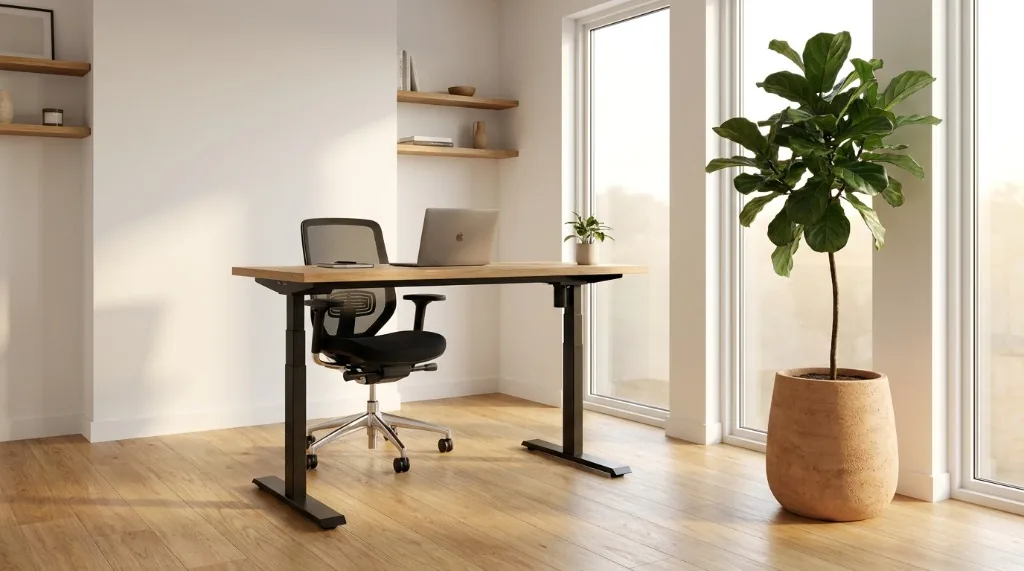
Build your home office with care. Balance daily comfort and clean indoor air. Remote workers spend fifty hours each week in closed rooms. Fast commercial furniture relies on cheap particleboard and formaldehyde glue. These weak composites break down within three years. They also release toxic chemical fumes into small home spaces. Investing in solid hardwood desks and recycled steel frames changes everything. You build a sturdy workspace. It protects your spine. It keeps indoor air clean.
The Core Anatomy of Sustainable Office Furniture
Authentic sustainable office furniture relies on three basic rules. It uses verified domestic timber and recycled steel frames. It also carries strict chemical safety seals. These features prevent formaldehyde buildup in closed rooms. They support heavy computing gear without sagging. You can repair every joint using standard hex keys. Inspect laboratory safety seals first. Check every desk or chair before buying.
Standard office desks hide crumbly particleboard cores under plastic wrap. Factories soak these wood scraps with urea-formaldehyde resin. In compact rooms, these adhesives off-gas chemical fumes for months. This chemical vapor triggers headaches and eye irritation. Sustainable desks use solid wood planks. Makers join them with non-toxic PVA adhesives. They emit zero harmful fumes. For complete vetting rules across home spaces, review our sustainable furniture guide.
Metal desk frames need equal checks. Cheap desks use thin sheet metal. The spray paint chips and rusts fast. High-grade desks use cold-rolled steel or recycled cast aluminum. Makers finish these frames with baked powder coats. Powder coating uses heat instead of liquid solvents. This creates a tough barrier against rust without polluting indoor air.
Third-party testing proves environmental quality. Look for UL GREENGUARD Gold marks on desktops. This seal caps volatile organic compounds below 0.22 milligrams per cubic meter. For mechanical safety, verify ANSI/BIFMA standards. Independent labs drop weights on these frames. They test joints through 100,000 cycles. This guarantees fifteen years of active use.
Solid Wood Standing Desks: Dual Motors and Slat Stability
A sustainable standing desk pairs a thick timber top with dual motor columns. Two synchronized steel legs isolate vibration. This mechanical design isolates motor vibration. It stops monitor wobble at full standing height. It easily lifts 300 pounds of heavy equipment without sagging. Choose local American hardwoods. You get dense grain and lower transport emissions.
Desktop Thickness, Slat Span, and Monitor Clamp Physics
Modern home offices place heavy physical weight on desktops. Dual monitors concentrate heavy force onto a small clamp base. Clamping this steel mount to hollow fiberboard crushes the soft core. It punches through the thin veneer and cracks the desk. Avoid this failure. Choose solid hardwood planks at least 1.25 inches thick.
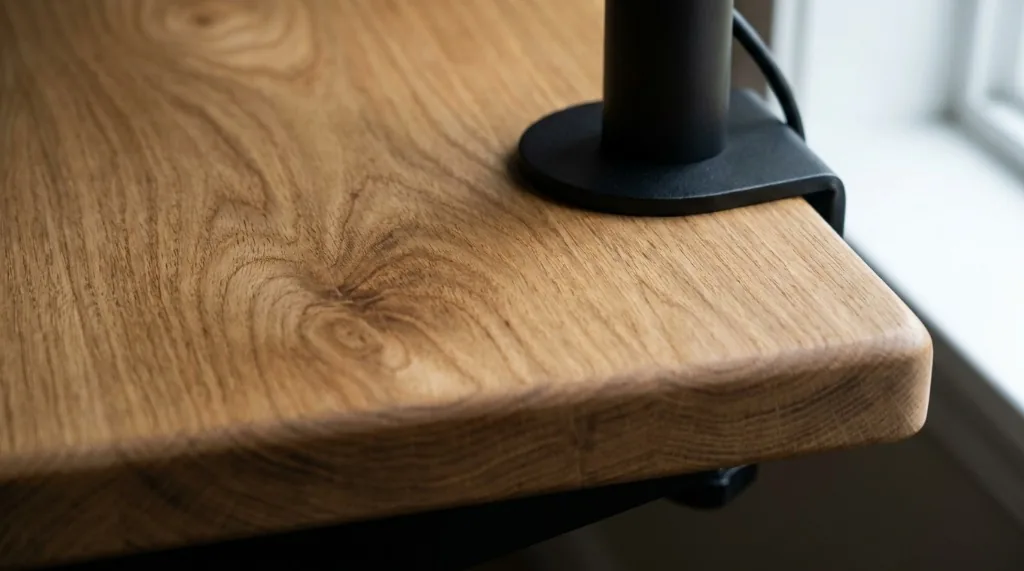
Wood species selection dictates dent resistance. Cheap import desks often use soft rubberwood. Rubberwood scores a low 900 pounds on the Janka hardness scale. Laptop plugs and metal mugs leave permanent dents in soft wood. Domestic American hardwoods offer superior strength. American White Oak scores 1,360 pounds on the Janka scale. Hard Maple reaches 1,450 pounds. These tight grains absorb clamp pressure without cracking. For joint details, read our deep guide on sustainable hardwood furniture.
Bamboo slabs offer an attractive grass-based alternative. Precision-pressed bamboo tops provide exceptional tensile strength. These dense boards resist sagging across wide 60-inch frames. Read our analysis on sustainable bamboo furniture to inspect vertical grain lines.
Dual-Motor Lifting Columns vs Single-Motor Wobble
Single-motor desks use a central motor. A spinning hex rod turns the second leg. This cheap design creates uneven lifting. It strains under off-center screen loads. Single-motor systems often burn out within two years. High-performance desks use dual motors. Matched electric motors sit inside the steel legs.
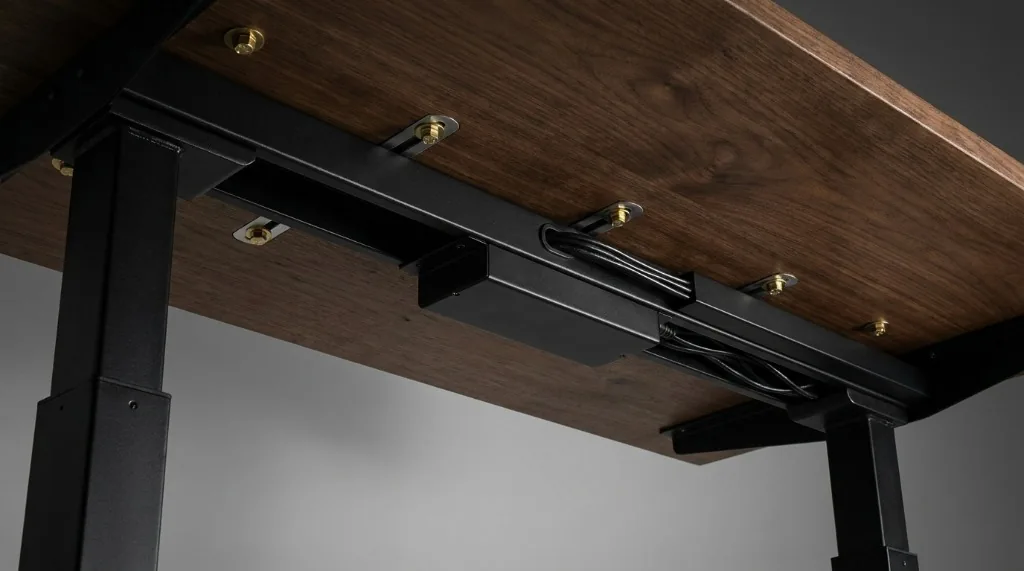
Three-stage steel columns adjust with precision. They span from 24 to 50 inches. The nested steel sections overlap deeply at full height. This overlap stops screen shake during typing and video calls. Quality dual-motor desks lift 350 pounds at 1.5 inches per second. Anti-collision sensors halt motors instantly. They stop if the desk hits a sill or chair arm.
Fastener hardware separates disposable desks from lifetime workstations. Cheap frames drive coarse wood screws directly into raw wood. Unscrewing these screws during a house move strips the wood holes. The rebuilt desk wobbles badly. Quality makers install threaded metal inserts. These sit inside the hardwood top. Machine bolts thread into these brass inserts repeatedly without stripping.
Ergonomic Task Chairs: Non-Toxic Cushioning and Recycled Alloys
A certified task chair uses a recycled aluminum frame. A Class 4 lift cylinder regulates seat height. It features breathable fabric free of toxic coatings. This frame aligns your pelvic tilt during work hours. It prevents lower back fatigue and skips cheap polyurethane foam padding. Pick modular chairs with spare parts. This ensures decades of daily comfort.
BIFMA LEVEL 3 and GREENGUARD Gold Testing Standards
The office chair market contains aggressive green claims. Cheap gaming chairs claim ergonomic designs. They use toxic PVC armrests and scrap foam. Commercial office chairs follow strict ANSI/BIFMA X5.1 rules. Their lift cylinders survive 300-pound drop tests. Armrests endure 100,000 downward weight cycles without cracking. Casters roll over 100,000 feet across floor obstacles without breaking.
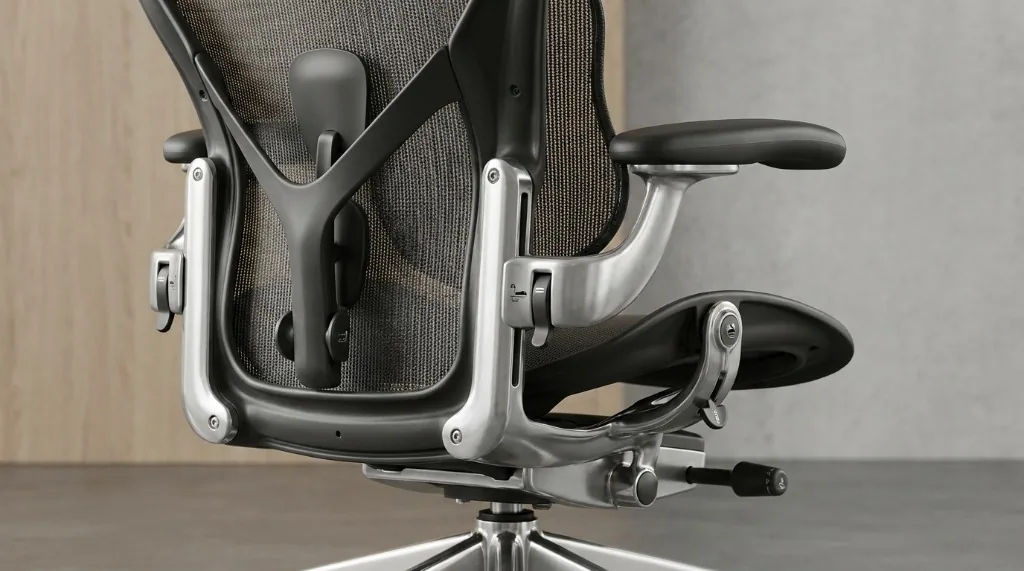
BIFMA LEVEL 3 seals audit factory greenhouse emissions and chemical safety. Certified chairs contain zero toxic flame retardants. Look for LEVEL 3 and GREENGUARD Gold labels. They skip heavy metal stabilizers and toxic phthalates. Buying certified chairs protects your home office air from chemical dust.
High-Density Molded Foams vs Breathable Tensioned Mesh
Seat cushion density dictates lasting comfort. Cheap desk chairs use low-density foam that flattens within six months. Your hip bones press directly against hard bottom plastic. This pressure restricts blood flow and irritates nerves. High-grade chairs use CertiPUR-US cold-cured molded foam. These dense cushions hold shape well. They retain 95 percent firmness after ten years.
Breathable tensioned mesh provides an even cleaner option. Elastomeric mesh blends recycled fibers with flexible polymers. This weave distributes body weight across an open grid. It eliminates pressure points. It circulates cool air around your back. Look for OEKO-TEX Standard 100 marks. This ensures fabrics contain zero toxic dye residues.
Where to Buy Sustainable Office Furniture: Brand & Spec Comparison
Find genuine green office furniture with care. Check motor warranties, wood sources, and test seals. The table below highlights verified sustainable workstation brands. Each option lists third-party certifications, core materials, and verified price ranges.
| Brand & Model | Primary Materials | Eco Certifications | Starting Price | Best For |
|---|---|---|---|---|
| Uplift V2 Solid Wood | Solid FSC Ash, Walnut, or Oak. Recycled steel frame. | GREENGUARD Gold. FSC Certified. BIFMA X5.5. | $799 – $1,150. | Full-day sit-stand computing. Heavy dual-monitor arms. |
| Steelcase Series 1 / Remanufactured | Recycled aluminum alloy. OEKO-TEX polyester mesh. | BIFMA LEVEL 3. Cradle to Cradle Bronze. SCS Indoor. | $495 – $580. | Compact ergonomic seating. Sciatic nerve pressure relief. |
| Ergonofis Sway Desk | Solid Canadian Walnut or Maple. Cast steel legs. | FSC Sourced. Zero-VOC Plant Oil. Low Carbon Freight. | $1,195 – $1,450. | Artisan executive workspaces. Natural satin timber luster. |
| Branch Verve Task Chair | Recycled nylon frame. 3D knit polyester back. | GREENGUARD Certified. ANSI/BIFMA X5.1. | $549 – $599. | Modern aesthetic workspaces. Active lumbar pelvic support. |
| Thuma The Credenza | Upcycled solid rubberwood. Threaded metal joinery. | GREENGUARD Gold. Plastic-Free Packaging. | $695 – $845. | Solid wood office filing. Scratch-resistant document storage. |
Vetted Sustainable Office Furniture for Home Workspaces
Choose reliable home office furniture. Check weight ratings and material safety. Our three vetted picks pair solid hardwoods with heavy steel. Each model fulfills strict eco standards while delivering commercial ergonomic performance.
Certified Solid Wood Dual-Motor Electric Standing Desk
This sit-stand desk features an FSC-certified white oak top. It mounts on a heavy steel frame. Dual synchronized motors adjust height from 24 to 50 inches. Threaded brass inserts allow repeated moves without wearing wood holes. The desktop carries GREENGUARD Gold marks. It repels coffee spills with zero-VOC hardwax oil.
A digital handset stores four memory presets. Gyroscopic safety sensors protect your desk during height moves. The 350-pound lift rating handles multi-monitor mounts and computer towers easily.
Ergonomic Recycled-Alloy Mesh Task Chair
This task chair suits long work hours. It features a recycled aluminum frame. Breathable mesh keeps you cool. The chair meets ANSI/BIFMA X5.1 strength standards and holds BIFMA LEVEL 3 certification. Self-adjusting tilt supports your back without complex manual knobs.
A Class 4 cylinder supports 350 pounds. It holds height without sinking. Fully adjustable 4D armrests support elbows to relieve neck strain. The mesh holds OEKO-TEX Standard 100 marks. This confirms zero toxic dye residues.
Solid Hardwood Under-Desk Storage Credenza
Crafted from sustainable maple, this mobile credenza organizes files and tech gear. Solid wood drawer boxes feature English dovetail joints on all corners. Full-extension ball-bearing glides close with steady dampeners. The bottom drawer holds standard letter and legal folders.
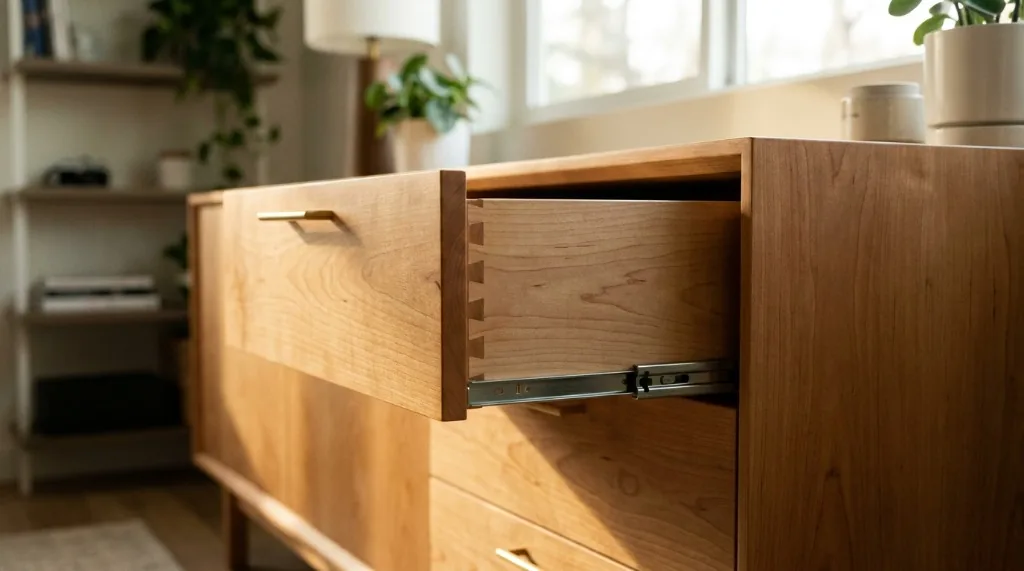
Lockable caster wheels roll across wood floors without scratching. An internal safety lock stops both drawers from opening at once. This prevents tipping. Plant oils seal the natural blonde wood without toxic lacquer fumes.
How to Set Up an Ergonomic and Sustainable Home Office
Set up a healthy home office with care. Adjust your desk height and screen angle correctly. Position your desk perpendicular to windows. Set tabletop height to match natural 90-degree forearm angles. Keep computer screens an arm length away. These steps stop screen glare. They prevent neck strain throughout your workday.
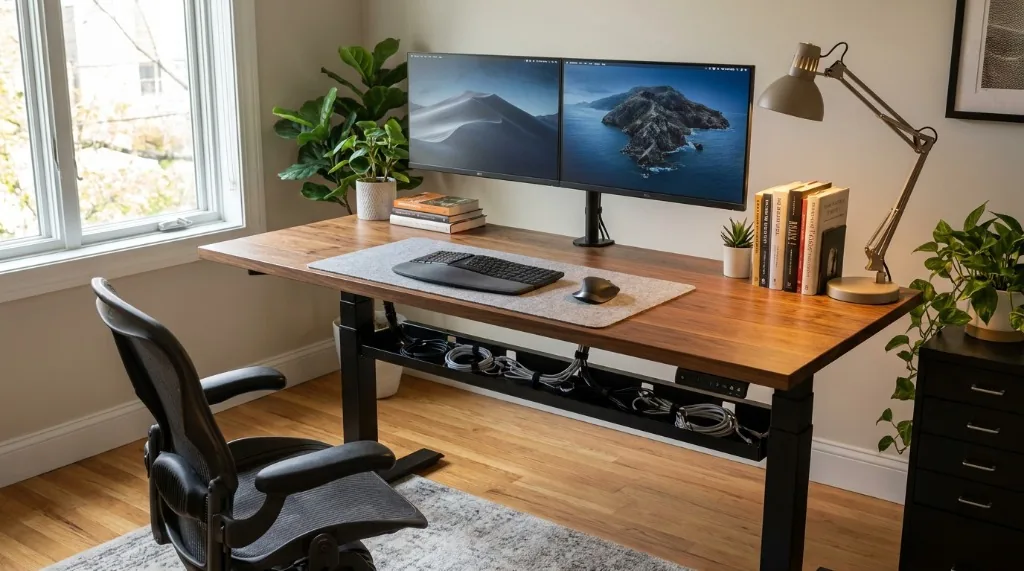
Window placement influences eye strain. Never place computer screens directly in front of bright windows. The sharp contrast strains eye pupils during reading. Windows directly behind you cause glare. They wash out matte screens. Place your desk perpendicular to windows. This provides soft side light without screen glare.
Check your height posture before working. Adjust your seat height first. Rest your feet flat on the floor. Keep your knees bent at ninety degrees. Lower your desk until your forearms rest flat on the table. Raise your monitors now. Align the top third of the screen with your eye level. This sightline prevents forward head slump. Slumping forward strains your spine. It puts sixty pounds of pressure on your neck.
Cable clutter limits legroom underneath your desk. Mount an under-desk steel raceway. It routes power bricks, surge strips, and cords. Keeping cords inside a steel tray leaves the floor open. It prevents vacuum snags and keeps your workspace visually calm.
Maintenance, Non-Toxic Care, and Hardware Tuning
Preserving sustainable office furniture requires simple bolt tightening and wood conditioning. Motor vibrations loosen steel screws over time. Wood pores dry out in heated winter rooms. Follow three simple care routines. Protect your furniture across decades of work.
First, inspect frame bolts every four months. Tighten machine bolts with a hex key. Secure leg columns to under-desk beams and floor feet. Daily sit-stand height changes produce small vibrations that loosen threaded hardware. Tightening these bolts stops frame wobble and keeps movement silent.
Reset dual lifting motors twice a year. This keeps leg extension synchronized. If your desktop tilts, press and hold the down button. The frame will lower completely. Hold the button for seven seconds until the handset beeps. This quick reset aligns motor sensors. It prevents uneven lifting and motor strain.
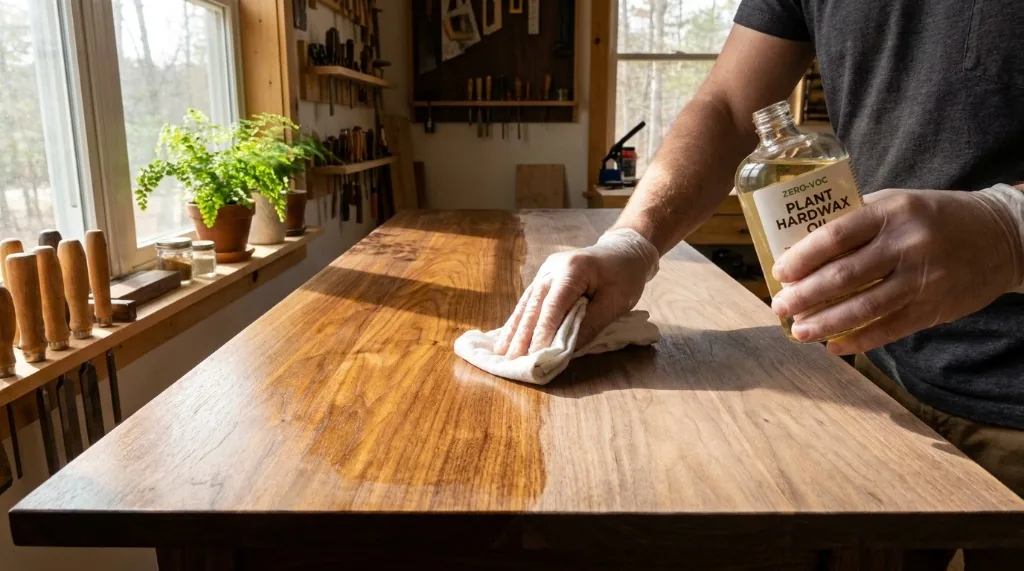
Nourish hardwood tops once a year. Use natural hardwax oil for protection. Clean the wood with a damp cloth and mild plant soap. Wipe a dab of hardwax oil into the wood grain. Use a soft cotton cloth. Allow the wax to dry for eight hours. This simple plant oil repels water rings. It restores wood glow without toxic fumes.
Frequently Asked Questions About Sustainable Office Furniture
Are solid wood desktops too heavy for electric standing desk frames?
Dual-motor frames lift 300 to 350 pounds with ease. A 60-inch solid oak top weighs sixty to seventy pounds. This leaves 230 pounds of lift capacity. Dual screens and desk gear move easily. Motors run without strain.
What certifications prove an office chair is non-toxic?
Look for UL GREENGUARD Gold and BIFMA LEVEL 3 certifications. These marks verify that the chair emits almost zero chemical gases. They confirm zero chemical flame retardants. They contain no phthalates or heavy metals. For mesh fabric, verify OEKO-TEX Standard 100 marks.
How do I prevent my monitor mount from denting a wood desktop?
Pick dense domestic hardwoods. White oak and maple exceed 1,300 pounds Janka hardness. Install a steel reinforcement plate under the desk. Place it between the C-clamp and the wood desktop. This steel plate spreads clamp force. It protects the wood from denting.
Why is dual-motor construction essential for standing desks?
Dual-motor desks house an independent motor inside each leg column. This design provides balanced lifting power. It cuts mechanical play in drive rods. Dual motors lift loads faster. They run under 45 decibels. They keep standing desks steady above forty inches.