Paint Colors for West Facing Rooms: Neutral Whites, Greiges & Undertones
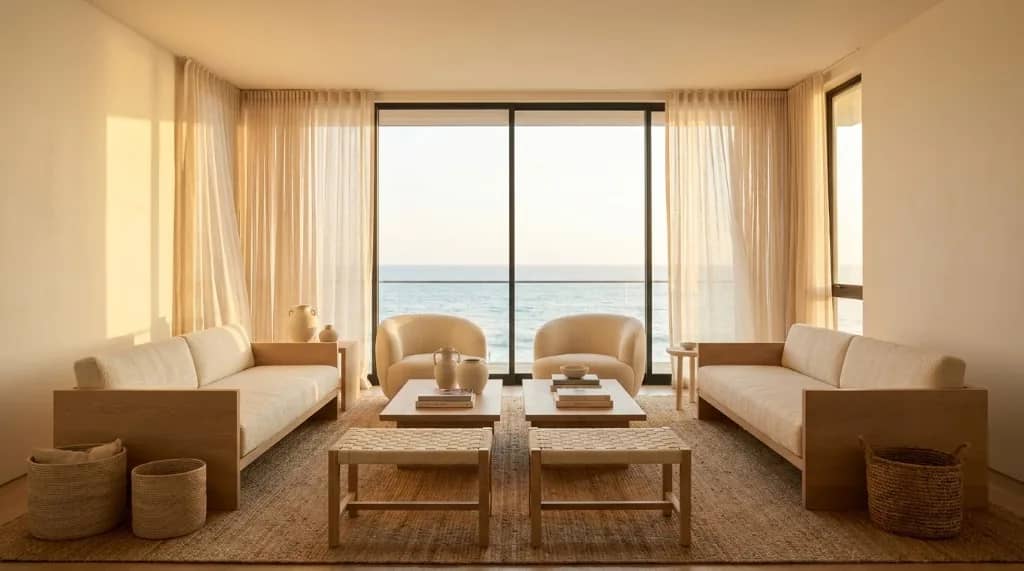
The best paint colors for west-facing rooms feature neutral-to-cool undertones like soft greiges, muted sage greens, and balanced off-whites. West-facing light shifts from cool morning shade to intense golden-orange sunset rays. Balanced undertones stop walls from glowing harsh yellow in late afternoon.
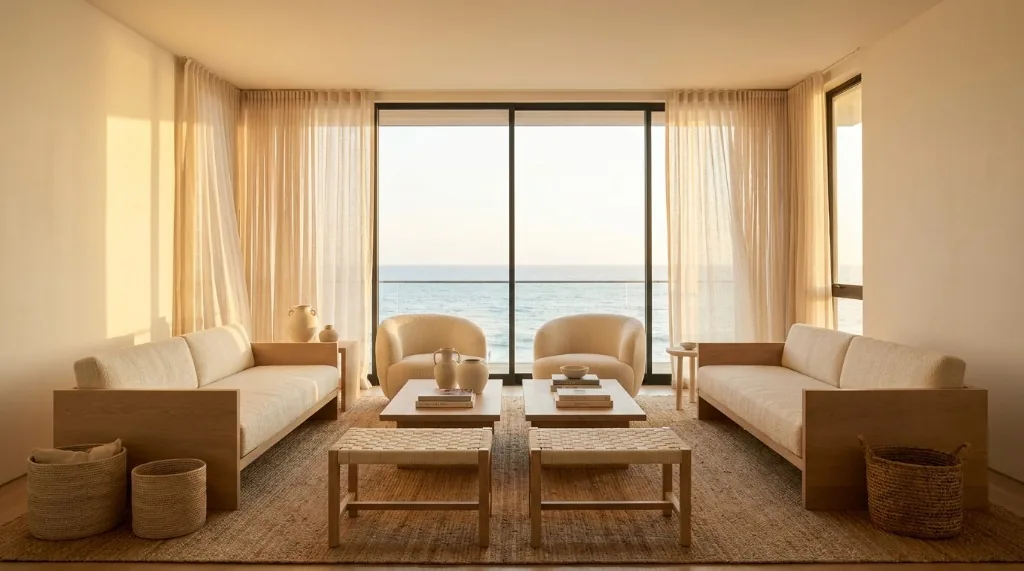
How West-Facing Light Affects Wall Paint Throughout the Day
West-facing daylight shifts dramatically from morning to evening. In the morning, west rooms receive cool ambient light near 5,500K. By 3:00 PM, direct sunlight enters at a low angle. The color temperature drops to a fiery 2,500K golden glow.
This daylight swing confuses many homeowners. You paint a test swatch on Saturday morning. The color looks calm, neutral, and fresh. By Sunday afternoon, the setting sun hits that same wall. The paint turns into hot orange or mustard yellow. The pigment did not change. The natural light shifted from blue-gray shadow to intense golden wavelengths.
Architects check sun exposure before picking wall colors. Western rooms need pigments that look clean in morning shade. They must also stay balanced under warm afternoon beams. To see how southern rooms handle light differently, read our guide to paint colors for south-facing rooms.
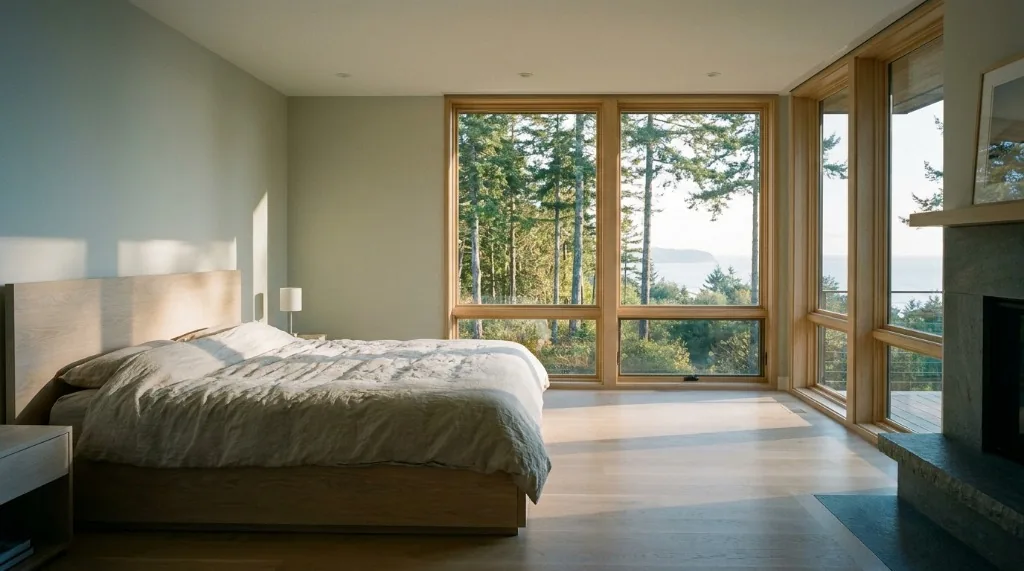
Outdoor trees also alter interior wall colors. Large trees outside west windows act as natural green filters. Low afternoon sun beams through tree leaves. It casts pale olive tints on white walls. Knowing your paint undertones stops unpleasant color surprises.
Best Warm Whites and Off-Whites for West-Facing Rooms
The best warm whites for west-facing rooms use subtle taupe or gray bases. Avoid heavy yellow pigments. Look for shades like Sherwin-Williams Greek Villa, Benjamin Moore Swiss Coffee, and Benjamin Moore Pale Oak. These shades stay bright in morning shade without overheating at sunset.
Homeowners often pick creamy whites with rich buttercream bases. In north rooms, yellow tones counter blue winter shadows. In west rooms, afternoon sun amplifies that yellow base. Walls end up looking like old parchment paper. You need white paint that stays neutral under warm light.
Sherwin-Williams Greek Villa (SW 7551) features a soft beige undertone with an LRV of 84. It feels cozy at breakfast. It avoids turning yellow when afternoon light hits the floorboards. Benjamin Moore Swiss Coffee (OC-45) carries a mild cream base. Mixed at 75 percent strength, it stays calm in open living rooms.
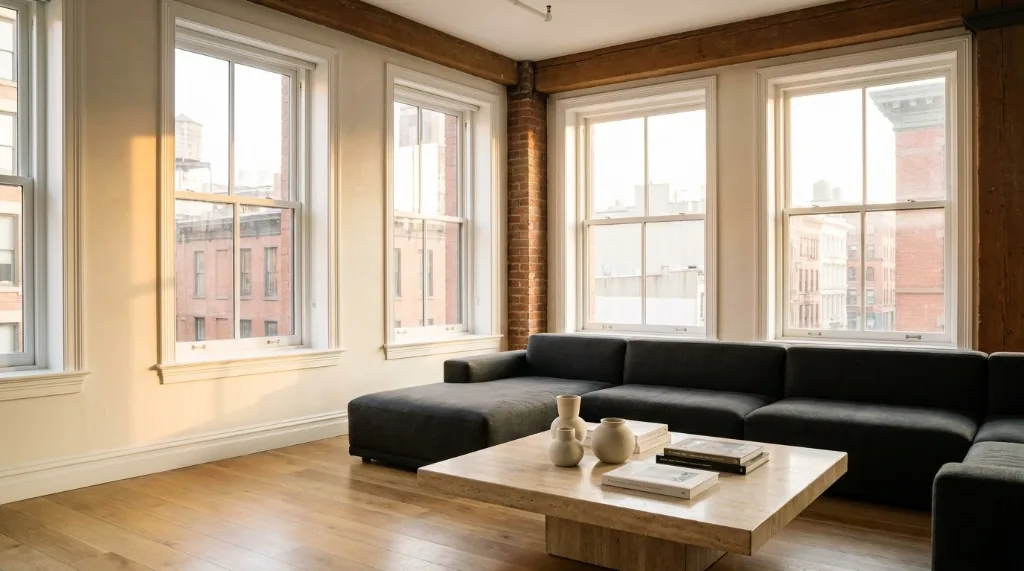
Benjamin Moore Pale Oak (OC-20) sits between off-white and pale greige. With an LRV of 69, Pale Oak avoids washing out in afternoon glare. It reads as a soft limestone white in the morning. At dusk, it turns into cozy cashmere cream. Learn how to decode swatch formulas in our guide on reading paint undertones.
Calming Greiges and Cool Neutrals to Balance Afternoon Heat
Greiges with green or violet undertones cool down hot afternoon sun in west rooms. Colors like Sherwin-Williams Agreeable Gray and Benjamin Moore Revere Pewter absorb late-day heat. They keep an airy feel during hot summer afternoons.
True cold grays with blue undertones fail in west rooms. In the morning, blue grays look chilly and dull. In the afternoon, warm sunlight clashes with cold blue paint. This clash creates an awkward muddy cast. Greige solves this issue by blending gray with warm beige.
Sherwin-Williams Agreeable Gray (SW 7029) has an LRV of 60. Its warm gray base absorbs the harsh glare of sunset light. The space stays cool during peak afternoon heat. Pair it with crisp white ceiling paint to keep borders clean.
Benjamin Moore Classic Gray (OC-23) offers a light greige option with an LRV of 74. It looks like an off-white with gray mist in early morning light. As the sun sets, the gray undertone cuts the sharp warmth of the sun. For coordinated room flow, review our master rules on warm neutral color palettes.
Earthy Nature-Inspired Shades: Sage Greens and Soft Terracottas
Muted sage green and dusty terracotta complement west-facing rooms. They harmonize with the natural warmth of afternoon light. Muted green tones down red-orange sun rays. Terracotta deepens into a rich, cozy backdrop during evening golden hour.
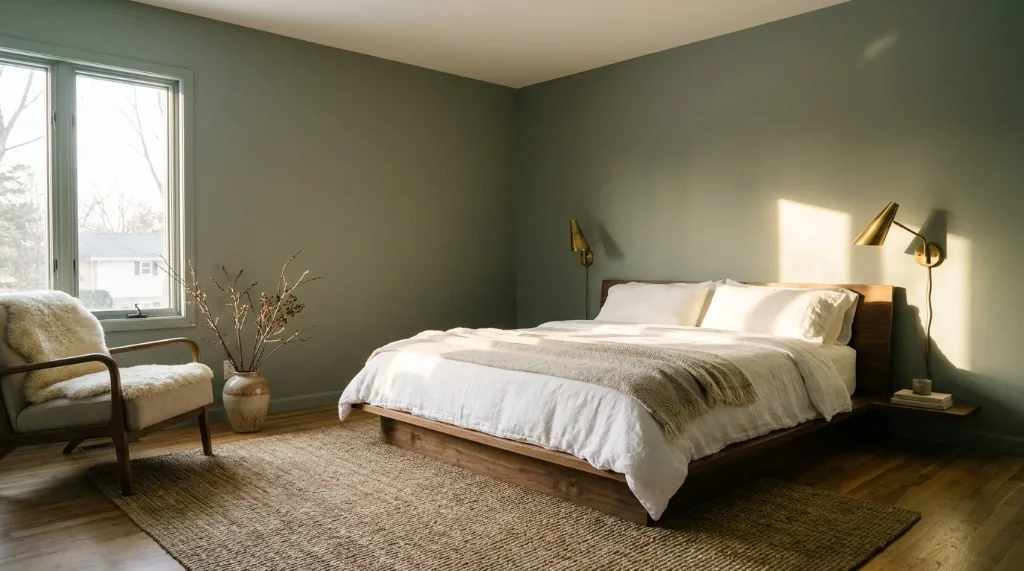
Sage greens with gray undertones work well in west bedrooms. Sherwin-Williams Clary Sage (SW 6178) features an herbal green pigment with stone gray. Morning shadows keep the room quiet for sleeping. When afternoon sun hits the wall, the green settles into a calm, restful retreat.
Dusty terracottas embrace western sun in dining rooms and home libraries. Sherwin-Williams Cavern Clay (SW 7701) and Benjamin Moore Potters Clay bring earthy warmth. Sunset light turns the room into an inviting space for evening dinners.
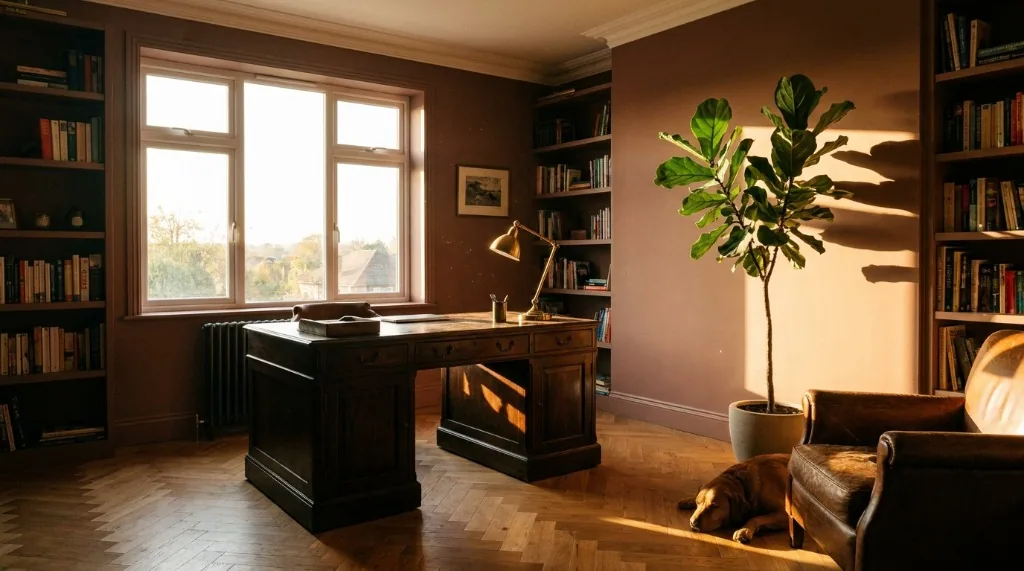
Pair earthy paint colors with white oak, brass hardware, and neutral linen textiles. Avoid glossy sheens in west rooms. Glossy paint reflects afternoon light and causes distracting glare. Choose flat, matte, or eggshell finishes to soften the sunbeams.
West-Facing Room Paint Specifications & LRV Comparison Matrix
Choosing paint for a west-facing room means matching LRV ratings and undertones to your window size. Review verified paint codes and light ratings below before buying samples.
| Paint Brand & Name | Color Code | Primary Undertone | LRV Rating | Best Room Application |
|---|---|---|---|---|
| SW Greek Villa | SW 7551 | Soft Beige / Taupe | 84 (High) | West Living Rooms & Foyers |
| BM Swiss Coffee | OC-45 | Warm Cream / Gray | 82 (High) | Open-Concept Hallways |
| BM Pale Oak | OC-20 | Warm Greige / Taupe | 69 (Medium-High) | Primary Bedrooms & Nurseries |
| SW Agreeable Gray | SW 7029 | Neutral Greige | 60 (Medium) | West-Facing Home Offices |
| BM Revere Pewter | HC-172 | Warm Gray / Green | 55 (Medium) | Living Rooms with Big Windows |
| SW Clary Sage | SW 6178 | Muted Herbal Green | 41 (Medium-Low) | Bedrooms & Guest Suites |
| SW Cavern Clay | SW 7701 | Warm Terracotta / Rust | 20 (Low Accent) | Dining Rooms & Cozy Studies |
Light Reflectance Value shows the percentage of light a paint color bounces back into a room. In west rooms with small windows, pick an LRV between 70 and 85 to keep mornings bright. In rooms with huge windows, pick an LRV between 50 and 65 to prevent harsh glare. Check our guide to the LRV paint calculator to measure room light.
How to Test Paint Swatches in West-Facing Spaces
Test paint swatches in west-facing spaces on large 12×12 sample boards. Do not paint directly onto existing walls. Move the boards between the window wall and the opposite wall. Check the sample at 9:00 AM, 1:00 PM, and 5:30 PM to evaluate how changing light alters the color.
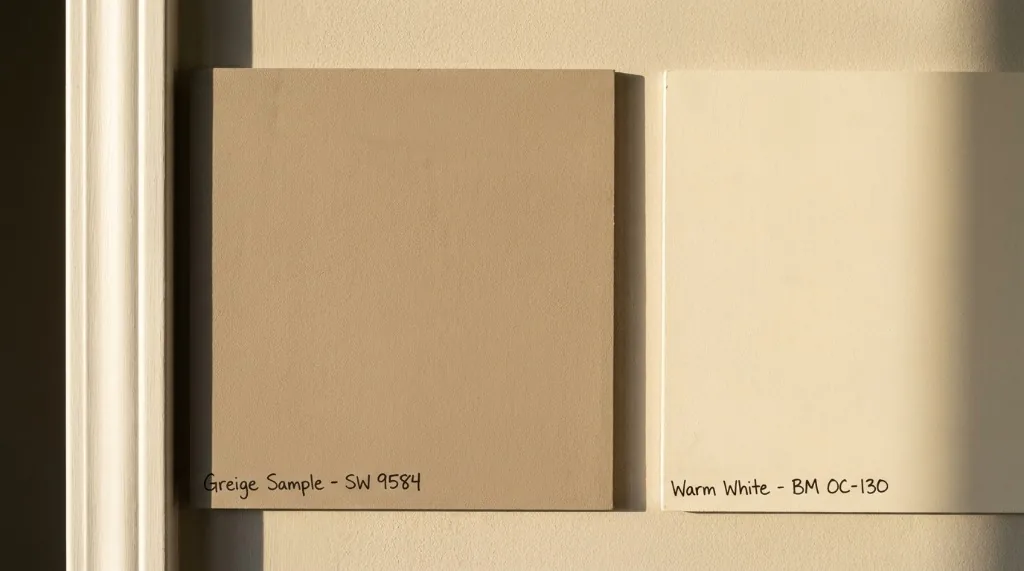
Never judge a west paint sample by painting straight over an old wall color. The old paint color bleeds through and tricks your eyes. Paint two coats onto white swatch boards or foam boards. Leave a 1-inch white border around the edge.
Mount the test board on the wall across from the window. That wall catches direct sunset rays. Notice how the color deepens as the sun goes down. Next, move the board to the wall with the window. That wall stays in shadow all afternoon. The color should look pleasant in both spots.
Turn on your evening lights around sunset. Test how your 2,700K warm LED lamps interact with the paint once the sun goes down. The winning paint color balances cool morning daylight and intense sunset warmth, and holds its tone under evening lamplight.
Your Next Step: Never commit to a whole room based on a tiny in-store paper chip. Order two peel-and-stick samples or sample pots of your top contenders today. Place them on opposite walls at eye level, and watch them throughout the day at 9:00 AM, 1:00 PM, and 5:30 PM. The shade that looks fresh in morning shade and soothing at sunset is your winning color.
Frequently Asked Questions About West-Facing Paint Colors
Does white paint look yellow in a west-facing room?
White paint with yellow or cream undertones looks distinctly yellow in a west room during late afternoon. Golden sunset rays amplify yellow pigments. Choose warm whites with subtle taupe or neutral gray bases to keep walls looking clean.
What is the best LRV for west-facing rooms?
The ideal LRV for west-facing rooms is between 60 and 75. This range keeps rooms from feeling dark during morning shadow. It also absorbs intense afternoon glare without washing out wall color.
Should you paint a west-facing bedroom warm or cool?
Paint a west-facing bedroom in a balanced neutral or muted cool shade like soft greige or dusty sage green. These shades stay calm during morning hours. They absorb hot afternoon light, creating a restful space for sleep.
Can you use gray paint in a west-facing room?
Yes, you can use gray paint in a west-facing room if you choose a greige with warm beige or green undertones. Avoid cold blue grays. They look dull in the morning and muddy under sunset light.
What color trim looks best with west-facing wall paint?
Clean neutral whites like Sherwin-Williams Pure White or Benjamin Moore Chantilly Lace look best on west-facing trim. These shades contain minimal yellow pigment. They stay crisp against warm walls without flaring yellow under sunset light.
Should ceiling paint in a west room match the walls?
Paint ceilings in a clean, flat white with an LRV of 85 or higher to bounce morning light downward. If you choose color drenching, paint the ceiling one or two shades lighter than the walls to prevent low ceilings from feeling heavy at sunset.