Renter-Friendly Wall Decor Ideas: 5 Zero-Damage Hacks
Reader Disclosure: This post contains affiliate links. If you buy through them. We may earn. A commission at no extra cost to you. We only recommend items tested for clean craftsmanship. Authentic life.
The most effective renter-friendly wall decor ideas combine locking hook-and-loop adhesive strips. Spring-loaded floor-to-ceiling tension columns. Gravity-supported floor-leaning mirrors. And breathable peel-and-stick fabric wall murals. These five zero-damage methods let you personalize blank apartment walls. Hang framed art up to sixteen pounds. Add vertical storage without drilling drywall holes or risking security deposit deductions.
Moving into a rental apartment often feels restrictive. Standard residential leases routinely prohibit drywall anchors. Screws. Nails under penalty of patch fees. Faced with sterile white or beige walls. Many renters leave their spaces bare. You do not need to live with stark walls. Modern damage-free hardware. Smart gravity styling allow you. To curate personal art displays. Full-length mirrors safely.
Before mounting your frames. Calculate. Your wall hardware requirements with our Command Strip and Adhesive Hanging Calculator to match strip capacities directly to your frame dimensions. Weight.
Renter-Friendly Wall Mounting Methods: Matrix and Limits
Safe damage-free mounting requires matching your decor. Item to the physical load limit of the hardware. Adhesive strips support up to sixteen pounds on smooth drywall. Vertical tension rods. Floor-leaning systems safely carry sixty to eighty pounds by transferring weight into the floor build.
Improper hardware choices cause the. Vast majority of rental wall repairs. Standard green foam mounting tape bonds permanently to drywall paper. This strong foam tears the top gypsum layer during move-out. Always select hardware engineered specifically. For clean mechanical or chemical release. Consult our quick reference matrix before selecting your setup hardware:
| Mounting Method | Max Safe Load | Surface Compatibility | Removal Method | Rental Damage Risk |
|---|---|---|---|---|
| locking Hook-and-Loop | 16 Lbs (4 Large Pairs) | Smooth primed drywall, glass, tile | Stretch-release downward pull | Low (Zero residue when pulled correctly) |
| Spring Tension Rod Columns | 40 Lbs (Distributed) | Solid ceilings and firm floor | Release spring compression | Zero (Rubber pads protect paint) |
| Floor-Leaning Gravity Frames | 80+ Lbs (Floor-borne) | Any wall texture or paint type | Lift away from wall plane | Zero (Gravity floor contact) |
| Fabric Peel-and-Stick Decals | Under 2 Lbs (Murals) | Smooth drywall with cured satin paint | Slow 180-degree diagonal peel | Low (Water-based low-tack adhesive) |
| Washi Tape & Poster Strips | Under 0.5 Lbs (Paper prints) | Drywall, painted wood, plaster | Peel with care at 45-degree angle | Zero (Gentle starch/rubber adhesive) |
Notice that textured walls reduce adhesive surface contact substantially. If your rental apartment features knockdown plaster or orange peel drywall. Choose tension poles or floor-leaning systems to avoid accidental frame falls. For framed wall layouts, read our guide to minimalist wall decor for neutral living rooms to plan balanced spatial proportions.
Hack 1: locking Hook-and-Loop Strips for Curated Gallery Walls
locking hook-and-loop strips secure framed wall art. Up to sixteen pounds on smooth drywall without nails. Their dual-sided mechanical grip clicks together firmly. Pressure-delicate elastomeric backings bond firmly to painted surfaces. Release cleanly under parallel tension.
Gallery walls instantly make a. Rental feel like a custom home. Hanging multiple frames with old nails creates numerous. Wall perforations that require tedious spackling during move-out. locking strips eliminate wall holes entirely. Follow this exact four-step prep. setup sequence to prevent strip failures:
- Clean with 70% Isopropyl Alcohol: Wipe the target drywall area with a clean microfiber. Cloth dampened with seventy percent isopropyl alcohol. Never use household glass cleaners or multi-surface degreasers. Those sprays leave thin silicone residues that destroy adhesive bonds. Allow the alcohol to dry fully for five minutes.
- Pair and Click the Strips: Press two matching hook-and-loop strips. Together until they snap with an audible click. Peel the release liner from one side. Press the. Strip firmly against the back of your picture frame. Place strips along the vertical. Frame edges near the top corners. For frames heavier than five pounds. Place. An extra pair along the bottom corners.
- Press the Frame to the Wall: Remove the remaining wall-facing liners. Press the frame firmly against the. Prepared wall section for thirty seconds. Apply steady pressure directly over each strip location.
- Execute the One-Hour Bond Cure: Grab the bottom edge of the frame. Lift it upward toward the ceiling. The hook-and-loop faces will separate. One half of each strip pair. Remains bonded to the wall. Press the wall strips firmly with. Your thumb for thirty seconds. Wait one full hour before re-attaching the frame. This pause allows the pressure-delicate. Polymers to cure against the paint.
Never exceed the manufacturer weight rating. Maintain a twenty-five percent safety margin below package ratings. If a large set rates for sixteen pounds. Limit your framed print to twelve pounds. Choose lightweight wood or mixed frames fitted with acrylic glazing. Heavy plate glass frames often exceed safe. Adhesive limits. Risk sudden midnight detachment.
Hack 2: Spring-Loaded Tension Columns for Vertical Storage and Planters
Spring-loaded floor-to-ceiling tension columns provide heavy vertical. Display capacity without driving a single fastener into rental walls. Internal steel springs compress between the floor and ceiling joists. This vertical clamping force creates rock-solid frame stability.
Many apartment renters need more than flat photo frames. They want floating wall shelves, trailing pothos plants. Ceramic displays. Acoustic sound-dampening panels. Standard floating shelves require heavy steel lag. Bolts. Wall anchors that leave large gouges in drywall. Tension column systems resolve this limitation fully. Sturdy metal tension poles anchor vertically between your floor. Ceiling. These poles support modular brackets. For wooden shelves. Hanging art rods.
Position your tension column system four to. Six inches outward from your rental wall. Soft silicone. Non-marring rubber end caps protect your. Ceiling paint. Hardwood floor from friction marks. You can mount three to four tiers of lightweight. Display ledges along the vertical pole spine. To explore additional ways to use vertical. Wall capacity efficiently. Read our guide to maximizing vertical space in small apartments.
Tension columns also function as room partitions in studio layouts. Suspend lightweight slatted wood screens or woven acoustic felt tiles from. Twin tension rods to divide your sleeping nook from your living area. When your lease concludes. Twist the pole collar. To release the internal spring compression. This disassembles without scuffs, wall holes, or landlord disputes.
Hack 3: Gravity-Anchored Leaning Floor Mirrors and Floating Mantels
Floor-leaning decor uses gravity. Base friction to achieve vertical scale. Floor contact transfers the physical weight of heavy. Mirrors. Timber ladders straight into the subfloor. This technique eliminates drywall pull. Creating. room height in compact rental rooms.
large mirrors expand small apartment rooms. Bounce natural sunlight deep into dark corners. Create an upscale designer aesthetic. However. A quality forty-by-seventy-inch. Arched mirror weighs forty to sixty pounds. Hanging that weight on rental drywall requires heavy-duty. Toggle bolts that punch half-inch holes through wallboard. If your landlord forbids wall anchors. Leaning. Your decor is the superior styling choice.
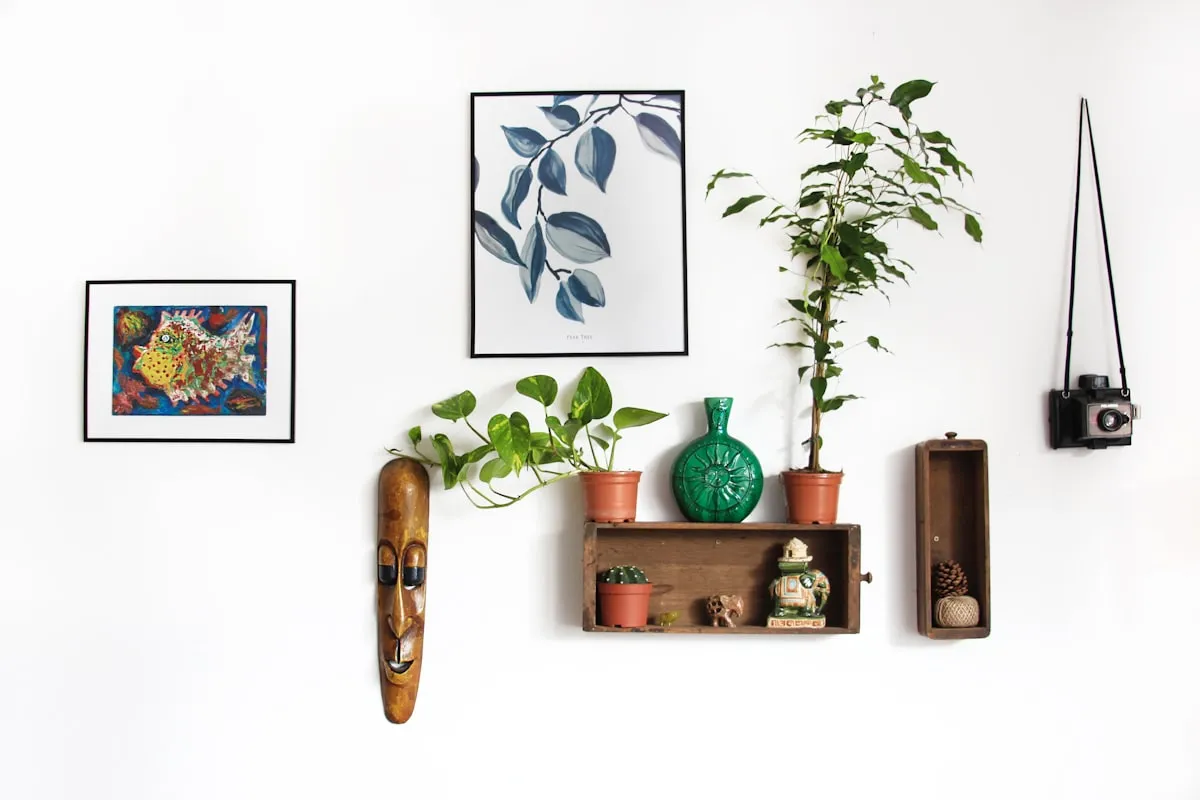
Implement these proven gravity-supported styling ideas across your rental:
- The Leaning Statement Mirror: Rest the base of an large floor mirror twenty to. Twenty-four inches outward from the wall baseboard. This creates an approximate seventy-five-degree lean angle. Adhere dense non-slip silicone rubber grip. Pads beneath each foot of the mirror frame. This friction prevents base kickout on hardwood, laminate, or tile.
- Leaning Timber Ladder Racks: Place a slender oak or bamboo blanket. Ladder against an accent wall. Use it to display fabric throws. Magazines. Or canvas pocket organizers. This vertical line adds texture without touching wall fasteners.
- Layered Console Art Displays: Position a credenza. Media sideboard. Or console table flush against the wall. Rest your largest framed art print on the pieces surface. Angle the top edge backward against the wall. Place two smaller framed prints in front. Overlap the frame corners to create. Visual depth without a single nail.
When selecting large framed pieces for your. Floor or console layouts. Review our large wall art sizing guide to ensure your art proportions balance. Your ceiling height. pieces widths.
Hack 4: Low-Tack peel-off Fabric Murals and room Accents
peel-off woven polyester fabric murals. Washi tape borders. Create bold accent walls without damaging base paint coats. Water-based micro-sphere glues peel away in complete sheets. This leaves zero sticky residue on smooth primed drywall.
Painting an entire rental apartment living room a moody hue requires two. Coats of primer. Two coats of off-white paint before move-out check. That means hours of labor and high paint costs. Peel-and-stick wall murals solve this dilemma easily. Choose breathable woven polyester fabric instead of monomeric vinyl. Woven fabric breathes. Allows trapped air to escape easily during smoothing. Avoids shrinking or peeling during seasonal humidity changes.
Before applying a peel-off mural. Verify that your. Apartment wall paint has cured for at least thirty days. Freshly painted rental drywall releases volatile solvents. This outgassing causes difficult bond release later. Clean the drywall surface with a dry. Microfiber cloth to remove loose dust. Peel the safe backing downward over time. Smooth the fabric with a felt-edged. Squeegee from the center toward the edges.
You can also use decorative washi tape to design faux. Wainscoting. Picture frame borders. Or geometric grid galleries. High-grade Japanese rice paper tape adheres. With gentle natural rubber adhesive. It creates crisp room definition. Strips. Away cleanly without lifting delicate paint skins. For complementary short-term apartment improvements, check our creative renter-friendly kitchen upgrades.
Hack 5: Thermal Release Hairdryer Protocol for Safe Strip Removal
The thermal release hairdryer protocol softens. Synthetic rubber adhesive polymers with gentle heat. This lets stubborn mounting strips glide away from chalky. Builder-grade paint without tearing drywall paper.
Most rental wall damage occurs at move-out, not during setup. Tenants often pull removal tabs outward. Toward the room at a ninety-degree angle. This outward stress rips off chunks of paint and gypsum. Follow this exact mechanical procedure to guarantee zero-damage removal:
- Warm the Adhesive with Gentle Heat: Set a handheld hair dryer to medium heat. Hold the nozzle four to six inches away from. The wall strip for twenty to thirty seconds. The warm air softens the pressure-delicate. Tack without scorching the latex paint surface.
- Grasp the Pull Tab Firmly: Take hold of the bottom exposed tab with your fingertips. Never pull outward away from the wall surface.
- Stretch over time Straight Downward: Pull the tab straight down. Along the plane of the wall. Keep your hand flat against the drywall. Stretch the elastomeric strip over time downward twelve to fifteen inches. As the strip elongates. The internal polymer. Bonds release their grip microscopically. The adhesive releases from the paint without lifting primer layers.
- Wipe the Wall Clean: If slight tacky residue remains. Dab the spot with a microfiber. Cloth dampened with seventy percent isopropyl alcohol. The surface returns to its original move-in condition.
If a removal tab snaps off flush with the frame or drywall. Avoid digging at the edge with metal putty knives or scissors. Metal tools gouge drywall at once. Instead. Take a twelve-inch strand of unwaxed. Dental floss or monofilament fishing line. Warm the strip with your hair dryer. Slide the floss behind the top of the adhesive strip. Saw with care downward in a smooth flossing motion. The floss cleanly slices through the warm. Adhesive foam without scratching the wall.
What to Do on Textured Orange Peel and Plaster Rental Walls
Heavily textured knockdown, orange peel. Vintage plaster walls require mechanical fasteners or gravity systems. Raised surface bumps reduce adhesive contact area by over sixty percent. On bumpy surfaces. Adhesive strips fail. Prematurely under ordinary frame loads.
Adhesive strips depend on full flat surface contact. To distribute shear weight across thousands of micro-pores. When applied to orange peel drywall. The. Adhesive touches only the elevated ridges. The strip bridges across the low. Valleys like a suspension bridge. The resulting contact area cannot support rated frame weights. If you live in an apartment with textured. Walls. Use these rental-safe workarounds:
- Shift to Floor and pieces Leaning: Rely primarily on consoles, mantels, and floor mirrors. Gravity does not care about wall texture. A large gilded mirror resting on floor looks. planned. Sophisticated on textured walls.
- Deploy Spring-Loaded Tension Poles: Tension rods clamp vertically between ceiling and floor. Their non-slip rubber contact pads grip textured. Ceilings. Carpet firmly without relying on wall glue.
- Use Curved Spring Steel Wire Hooks (Monkey Hooks): If your landlord allows tiny pinholes. Curved spring wire hooks penetrate. Drywall with an imperceptible entry hole under two millimeters wide. The curved steel wire rests against. The back of the drywall board. This steel hook carries up to. Thirty pounds without wall anchors. Before move-out. A dab of lightweight spackle. A. Swipe with your thumb erases the pinhole entirely. For detailed anchor safety guidelines, read our technical tests on hanging heavy art without studs.
often Asked Questions About Renter-Friendly Wall Decor
Do adhesive hanging strips work without damaging paint?
Yes. Quality adhesive strips work reliably. Applied to clean drywall. Removed correctly. Always stretch the removal tab straight down parallel to the wall surface. To release the polymer bond cleanly without shearing latex paint layers.
How much weight can you safely hang without nails in a rental?
You can safely hang up to sixteen pounds on smooth drywall. Using four pairs of large locking adhesive strips. For decor items over twenty pounds. Use floor-leaning frames or. Vertical tension rod systems to transfer weight directly into floor.
What is the best way to clean walls before using adhesive strips?
Clean drywall surfaces with seventy percent. Isopropyl alcohol on a clean microfiber cloth. Rubbing alcohol evaporates rapidly. Dissolves oils without leaving slippery. Chemical residues that compromise pressure-delicate adhesive bonds.
How do you hang heavy mirrors in a rental apartment safely?
Lean heavy mirrors directly against the wall from the floor. With anti-slip silicone pads fitted beneath the frame feet. Floor placement directs gravitational load downward. Into floorboards. Protects fragile apartment drywall.
Can you use peel-and-stick wallpaper on rental apartment walls?
Yes. peel-off peel-and-stick woven polyester. Fabric wallpaper is safe for primed rental drywall. It uses low-tack water-based adhesive that peels away cleanly in complete. Sheets without leaving sticky glue or tearing original wall paint.
Why do adhesive strips sometimes peel paint off drywall?
Adhesive strips peel paint. Users pull the removal tab outward. Toward the room at a ninety-degree angle instead of straight down. Peeling also occurs over poorly bonded builder-grade. Primer. Chalky flat paint. Or uncured wall coats.