2700K vs 3000K: Which Warm White Light Bulb Makes Your Living Room Look High-End?
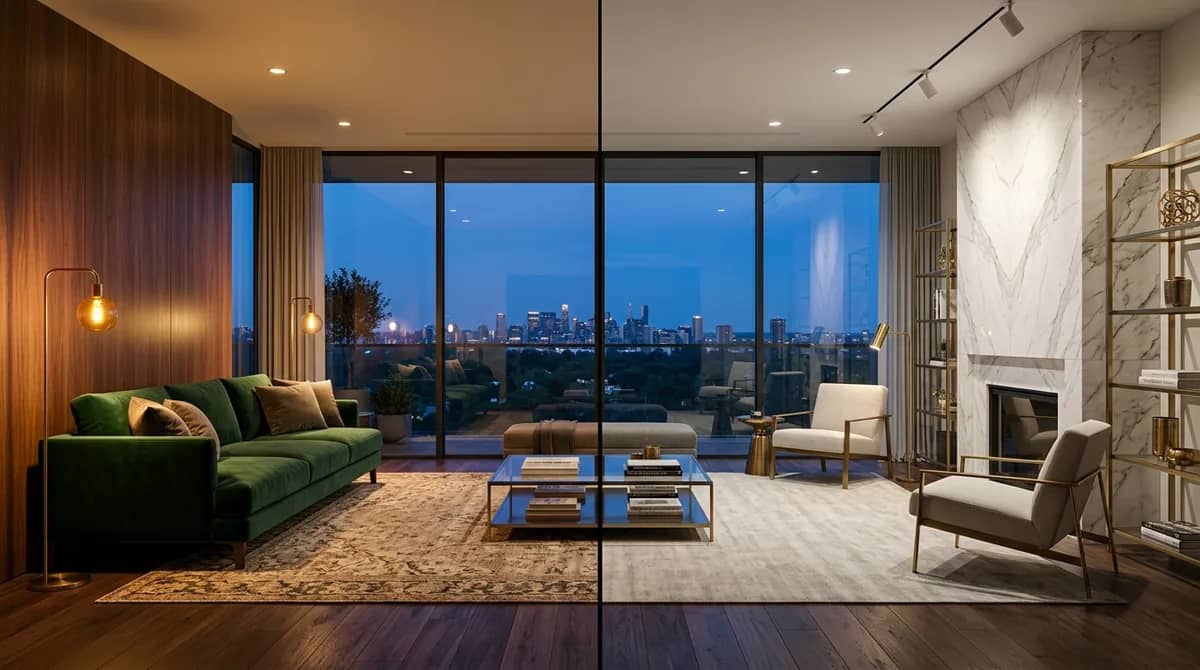
For most modern living rooms. 3000K warm white light bulbs create the most high-end look. They deliver clean clarity without cold blue tones or dirty yellow discoloration. Choose 2700K soft white bulbs if your living room features traditional wood trim. brick fireplaces, warm paint. And cozy reading lamps. Choose 3000K if your space features crisp white walls, gray undertones. modern stone, or an open layout into a modern kitchen. Always pair either color temperature with a 90+ Color Rendering Index (CRI) rating. High CRI ensures furniture fabrics and wood grains look rich and true.
Reader Disclosure: This post contains affiliate links. If you purchase through these links, we may earn a commission at no additional cost to you.
Few decor mistakes ruin a beautiful room faster than the wrong bulb color. You can spend thousands of dollars on sofas, rugs. And custom paint. The wrong bulb can make your room feel cold. It can also make it look dated. Bulb labels in hardware stores can be confusing.
Retail boxes call 2700K bulbs soft white and 3000K bulbs bright white. Both ratings are warm. They create very different moods. Bulb warmth changes how paint. Flooring look. Use it to choose with confidence. You can also test your room colors using our interactive color temperature room visualizer before you buy.
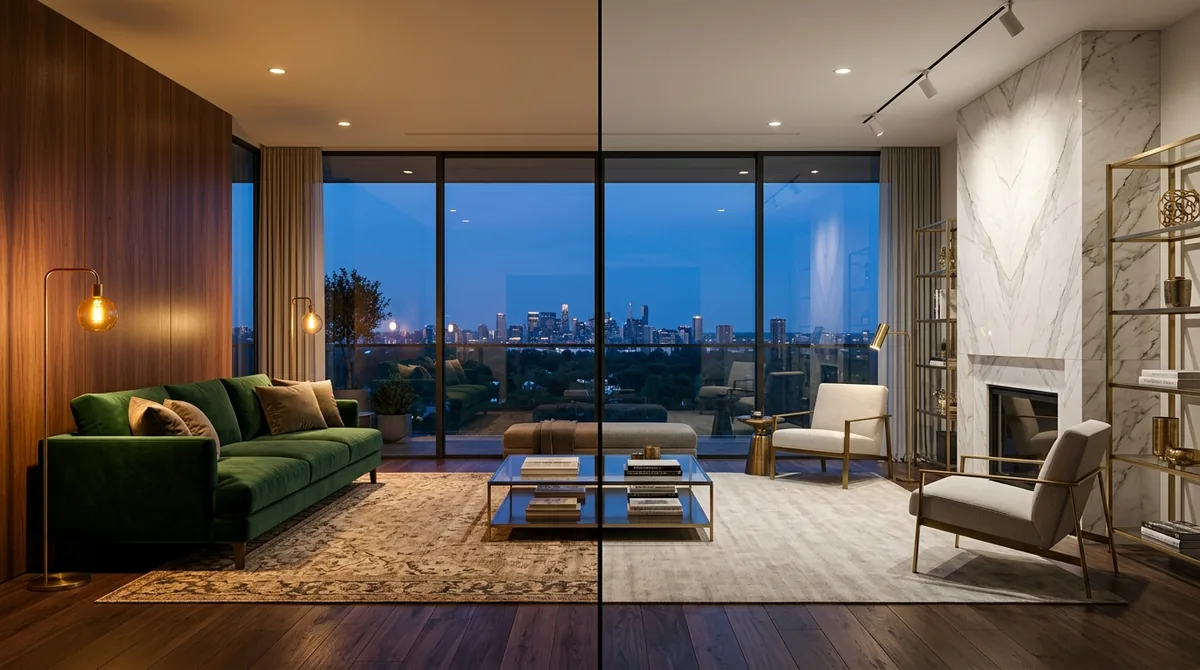
Quick Comparison: 2700K vs. 3000K vs. 4000K+
Color temperature on the Kelvin scale measures the warm or cool look of light. Lower numbers produce warmer golden light. Higher numbers produce cooler blue light. Residential living rooms should stay between 2700K. 3000K for daily living and relaxation. Bulbs rated at 4000K or higher belong in garages, laundry rooms, and workshops.
Compare the primary home color temperatures in this reference table:
| Kelvin Rating. | Retail Name. | Visual Color Look. | Best Room Use. | Mood & Atmosphere. | Recommended Bulb Choice. |
|---|---|---|---|---|---|
| 2200K to 2400K. | Candlelight / Amber Glow. | Deep golden orange, sunset warmth. | Accent sconces, mantel fixtures. | Intimate, calm, vintage vibe. | Amber Edison filament bulbs. |
| 2700K. | Soft White. | Golden warmth, warm incandescent glow. | Living room lamps, bedrooms, dens. | Cozy, restful, classic warmth. | High-CRI 2700K LED bulbs. |
| 3000K. | Warm White (Designer White). | Crisp off-white, clean clarity. | Modern living rooms, kitchens, hallways. | Refined, crisp, elegant clarity. | High-CRI 3000K designer bulbs. |
| 3500K to 4000K. | Cool White / Neutral White. | Stark bright white with cool tint. | Home offices, laundry, craft rooms. | High focus, task-ready, alert. | 4000K task work lights. |
| 5000K+. | Daylight. | Icy blue-white, industrial look. | Commercial warehouses, security lights. | Harsh, sterile indoors. | Security floodlights only. |
Visualize Your Room in Different Kelvin Temperatures
Light color temperature changes how paint, wood stains. and furniture fabrics appear in your home. A warm greige paint can look muddy brown under 2700K light. That same paint looks fresh. Balanced under 3000K light. Cool marble surfaces feel icy under 4000K light, but feel refined under 3000K illumination.
Natural daylight shifts throughout the day from morning warmth to cool afternoon brightness. When night falls. Artificial lights take over. If your artificial lighting conflicts with your wall paint undertones. the entire room feels disjointed.
Test your paint undertones before you replace bulbs in your ceiling fixtures. You can preview how your wall colors react across the Kelvin scale with our interactive light bulb Kelvin room visualizer. Testing your room online saves time and prevents bulb returns.
The Physics of Kelvin: Why Color Temperature Matters
The Kelvin scale measures the thermal color of light based on how a black-body radiator glows as it gets hot. In home lighting. numbers run from 2000K for a candle flame up to 6500K for a noon sky. As temperature rises. Light shifts from red to orange, yellow, pure white, and blue.
Many homeowners buy retail bulbs labeled daylight under the false assumption that daylight means cheerful sunshine. In reality, daylight bulbs sit between 5000K. 6500K. That rating matches an overcast sky, not warm sunlight. Installing 5000K bulbs in a living room creates a cold room that washes out warm fabrics.
Human eyes follow natural daylight cycles. Warm 2700K light signals your body to slow down and rest. Crisp 3000K light provides alertness without eye strain. In living rooms where you relax. Host guests, and watch television. keep bulbs between 2700K and 3000K to protect your eyes and support natural rest.
When to Choose 2700K (The Traditional Cozy Sanctuary)
Choose 2700K bulbs when you want your living room to feel like a cozy. intimate retreat wrapped in golden warmth. A 2700K bulb matches the familiar glow of traditional sixty-watt incandescent bulbs. It creates a soft. Restful space that helps you relax at night.
Select 2700K lighting for these specific living room setups:
- Traditional, Rustic, and Farmhouse Styles: Living rooms with wood beams, brick fireplaces. And antique brass fixtures look best under 2700K light. The golden glow brings out rich amber tones in walnut, oak, and hickory furniture.
- Dedicated Evening Lounges: If you use your living room mostly at night to read, watch movies, and talk with family. 2700K light is ideal. The low blue light content supports healthy sleep cycles. Install high-grade GE Relax HD 2700K high-CRI LED bulbs in your table lamps for a soothing evening glow.
- Warm Earth-Tone Paint Palettes: Rooms painted in creamy off-white paints like Benjamin Moore Swiss Coffee or Sherwin-Williams Alabaster shine under 2700K light. The golden light enriches warm paint pigments without harsh contrast.
When to Choose 3000K (The Modern High-End Designer Look)
Choose 3000K for a crisp, modern look. It helps room details stand out. Designers often specify 3000K for custom homes. Art galleries, and boutique hotels. It gives colors a clean white background. The room still feels warm and comfortable.
Select 3000K lighting for these architectural spaces:
- Modern, Scandinavian, and Contemporary Decor: If your living room features clean lines, white oak floors, black hardware, and light upholstery. 3000K light fits best. It keeps white walls pure white instead of yellow or dingy.
- Cool, Gray, and Crisp Neutral Paint Colors: Popular modern paints like Benjamin Moore Chantilly Lace. Sherwin-Williams Pure White can look dirty under yellow 2700K bulbs. A 3000K bulb preserves the crisp undertone of your wall paint. Upgrade your overhead fixtures with Philips Ultra Definition 3000K 95-CRI LED bulbs for superior color clarity.
- Open-Concept Kitchen and Living Rooms: In open-concept layouts, your living room connects directly to your kitchen. Kitchens need 3000K light for cooking. Counter tasks. Keep ceiling lights at 3000K. This creates a smooth look across both areas. Read our guide on under-cabinet lighting lumens and placement to coordinate your kitchen task lights.
The Secret Spec Interior Designers Check: 90+ CRI
The Color Rendering Index (CRI) measures how accurately light reveals real colors compared to natural sunlight. The scale runs from zero to one hundred. Budget LED bulbs often have an eighty CRI score. High-end designer bulbs have a ninety or ninety-five CRI score. If your bulbs have low CRI. your living room will look flat. Dull under either 2700K or 3000K.
Consider a navy blue sofa or a dark walnut coffee table. Under an eighty-CRI bulb, the navy fabric looks muddy gray.. The walnut wood looks lifeless. Under a ninety-five-CRI bulb, the navy looks deep and rich. while the wood grain shows subtle amber and espresso undertones.
Check the bulb box for the R9 saturated red score. Cheap LEDs score fine on yellow and green tests. but fail the R9 red test. High-R9 bulbs bring natural warmth to skin tones, hardwood floors. And wall art. Designers also check TM-30 color fidelity metrics on commercial projects to ensure true fabric saturation. Always select bulbs with ninety-plus CRI labels for your home.
The Designer Mixing Rule: Can You Mix 2700K and 3000K?
You can mix 2700K and 3000K light bulbs in the same living room if you separate them by height. Lighting layers. Never mix different color temperatures within the same fixture or across the same ceiling grid. Putting a 2700K bulb next to a 3000K bulb in ceiling recessed cans makes one light look broken and yellow.
Professional lighting designers use a simple vertical layering approach:
- Ceiling Layer (3000K): Install 3000K bulbs in recessed downlights, flush mounts, and ceiling fans. This provides clean ambient light that washes your floors. Walls with balanced clarity. Follow our layout guide in how many pot lights per room to plan fixture spacing.
- Eye-Level and Lamp Layer (2700K): Place warm 2700K bulbs in sofa side-table lamps, floor reading lamps. And decorative sconces. This creates pools of warm light at seated eye level for evening relaxation.
- Smart Tunable Bulbs for Full Control: If you want complete flexibility, install Philips Hue White Ambiance smart LED bulbs. These tunable bulbs let you set 3000K for active daytime hours. Then shift automatically to 2200K candlelight as the sun sets.
How Bulb Glass Finishes (Clear vs. Frosted) Alter Kelvin Perception
Bulb glass finishes change how your eyes perceive light color. Clear glass exposes bare LED filaments. This creates sharp glare and points of intense brightness. Frosted. Milky, and opal glass diffuses light evenly across the bulb surface. This softens hard shadows and creates a warmer room ambiance.
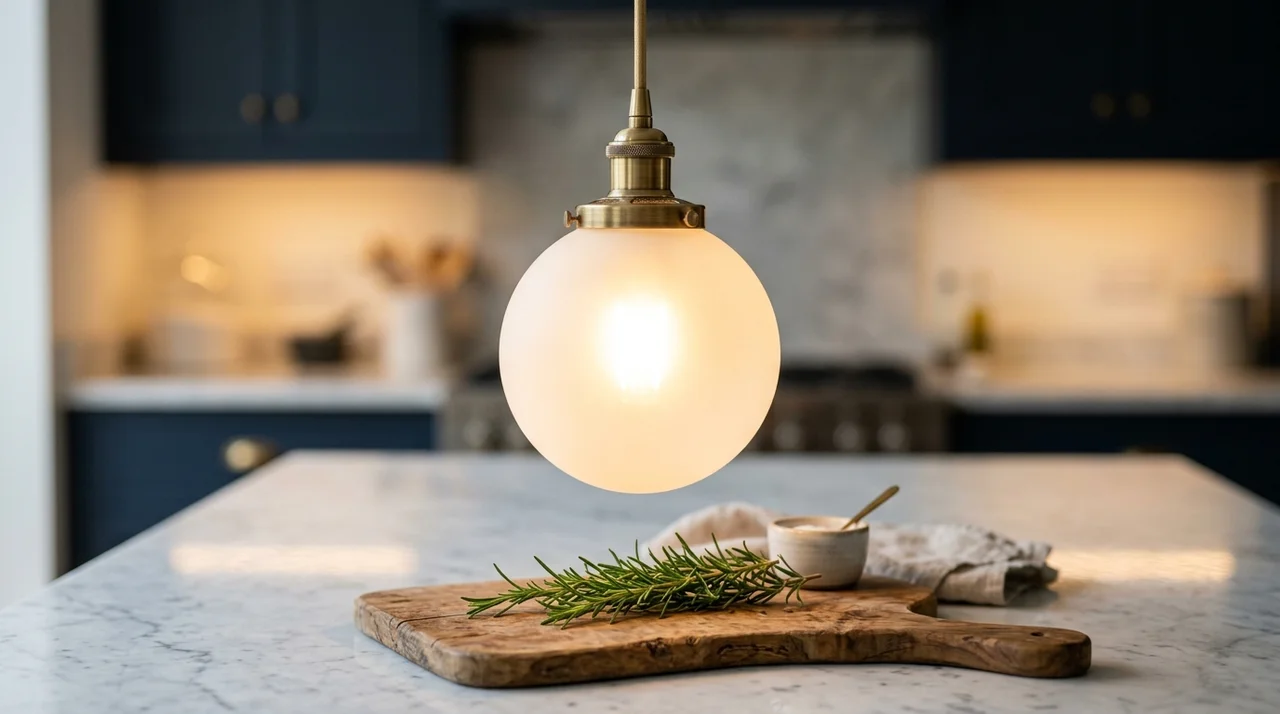
Consider how glass style affects your living room fixtures:
- Clear Glass Edison Bulbs: Clear filament bulbs look striking in open chandeliers and cage pendants. However. Bare filaments produce pinpoint glare. Clear glass also makes 2700K light look more orange and intense. Use clear filament bulbs only in decorative fixtures with dimmers.
- Frosted and Milky Opal Bulbs: Frosted coatings scatter light in all directions. This removes harsh filament glare. Softens shadows across furniture. A frosted 3000K bulb delivers clean light without hurting your eyes. Always choose frosted bulbs for table lamps with fabric shades and ceiling fixtures.
How to Layer 2700K and 3000K Lighting Across Your Living Room
A dimmer switch helps you control brightness in a living room. Even a beautiful 3000K designer scheme feels harsh if fixtures blast at full power all night. Installing a Lutron Diva LED+ dimmer switch lets you dial ceiling lights down to ten percent for movie nights.
Older dimmers can make LED bulbs hum, flicker. Or buzz at low levels. If your LED fixtures buzz or flicker when dimmed, read our troubleshooting guide on why LED bulbs flicker on dimmer switches to solve compatibility issues.
Explore our full collection of lighting design blueprints in our lighting design and fixtures library to master balanced home illumination.
Review the official Energy Star light fixture criteria to verify certified lumen ratings, safety rules, and efficiency benchmarks.
Frequently Asked Questions About Living Room Lighting
Is 2700K or 3000K better for reading in the living room?
A 3000K bulb provides better visual contrast for daytime reading.. A 2700K bulb is better for nighttime reading before bed. The higher clarity of 3000K light makes small black book print stand out against white paper. For evening reading. 2700K soft white light reduces blue light exposure and helps your mind prepare for rest.
Why do my 2700K bulbs look yellow on my white walls?
Your 2700K bulbs look yellow because your wall paint has cool gray or blue undertones that clash with warm amber light. Paints like Benjamin Moore Chantilly Lace or cool marble surfaces need 3000K light to appear neutral. Crisp. Warm off-white paints like Swiss Coffee absorb 2700K warmth naturally.
Are smart color-tuning bulbs worth the money?
Yes. Smart color-tuning bulbs are worth the investment for multi-use living rooms. Tunable white bulbs let you shift color temperature from 4000K cool white for morning cleaning down to 2200K candlelit amber for evening movies. This flexibility gives you the exact color temperature you need for any activity.
What is the difference between soft white and warm white?
Soft white bulbs measure 2700K and emit a golden yellow glow. while warm white bulbs measure 3000K. Cast a clean off-white light. Soft white mimics traditional incandescent filaments. Warm white provides a modern. neutral white illumination that interior designers use to highlight contemporary decor.
What wattage equivalent should I use for living room lamps?
Use sixty-watt equivalent LED bulbs producing eight hundred lumens for standard living room table lamps. For smaller accent lamps or bedside sconces. forty-watt equivalent bulbs producing four hundred fifty lumens provide gentle background light without overwhelming the space.