Organic Homeware: Bedding, Textiles, Rugs, and Decor Guide
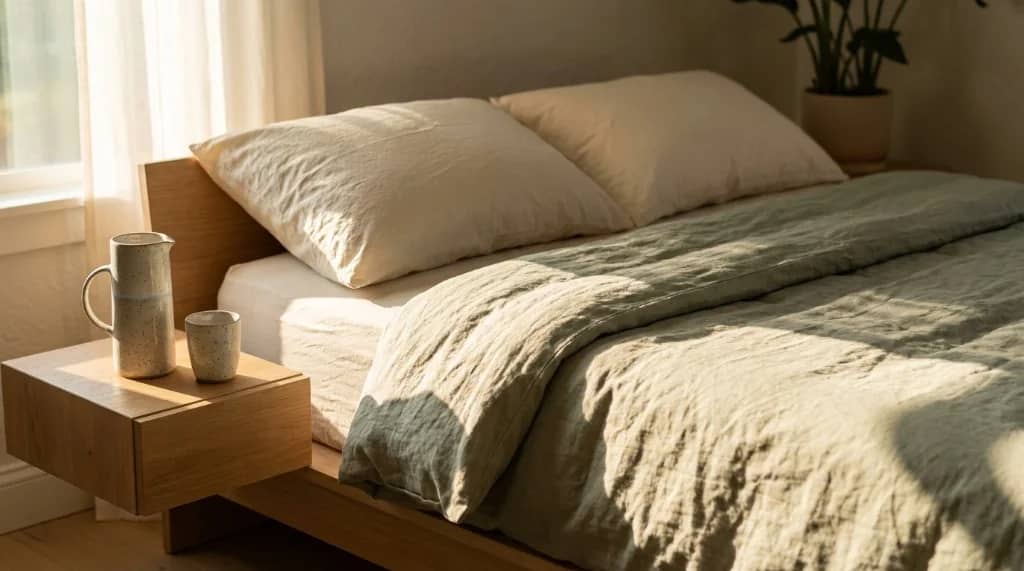
Organic homeware pairs clean plant fibers with non-toxic finishes. It creates healthy living spaces for families. These items include linen bedding, cotton towels, and wool rugs. They also include handmade stoneware pots. Choosing organic homeware cuts plastic dust. It keeps room air clean and ensures fair trade production.
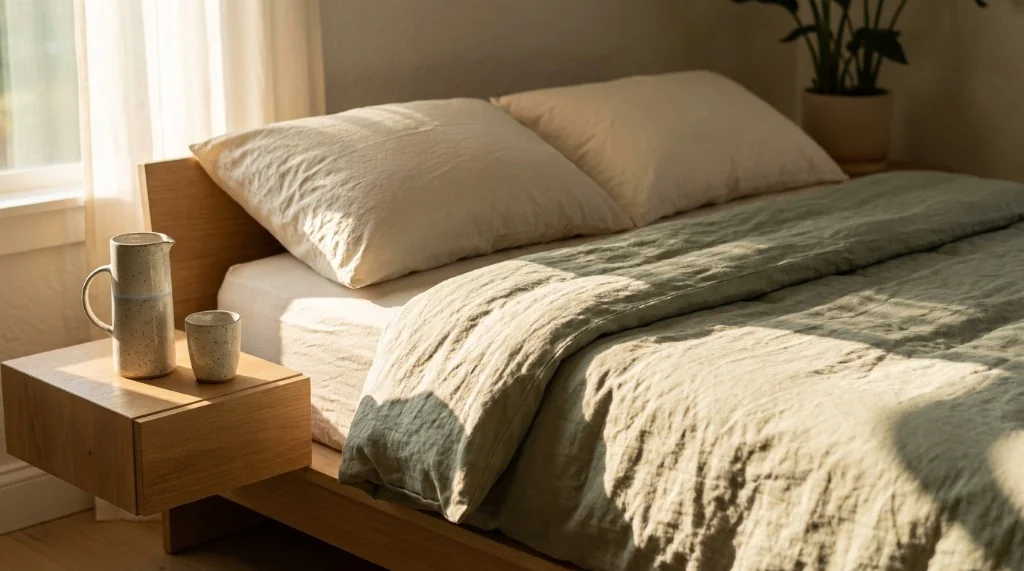
Home textiles touch your skin daily. We spend one-third of life resting in bed. Basic sheets and towels rely on plastic fibers. They also use chemical dyes. Cheap fabrics release fumes. They shed plastic dust into your bedroom air. Switching to organic homeware transforms your sleep comfort. Pure flax linen, organic cotton, and raw wool breathe naturally. They balance body heat well. They soften with every wash without chemical additives.
What Is Organic Homeware?
Organic homeware includes goods made from clean farm crops. Farmers grow these plants without toxic sprays or chemical fertilizers. Independent seals like GOTS verify organic content and strict non-toxic processing. These clean goods protect room air. They break down cleanly in soil at the end of life.
True organic homeware meets three strict trade rules. First, farmers must grow fibers with clean methods. This protects soil health. Second, mills must finish cloth without azo dyes. They skip harsh bleaches and sprays. Third, factories must ensure safe worker conditions and fair wages. For accent styling tips, read our guide to sustainable home accessories.
Why Choose Linen, Percale, and Sateen Bedding?
Organic bedding pairs natural airflow with soft, chemical-free sleep comfort. Pure French flax linen offers cool airflow for hot sleepers. Crisp organic cotton percale provides smooth matte comfort. Cotton sateen gives warm softness on cool nights. It skips synthetic polyester blends.
Standard retail bed sheets hide chemical finishes. Big mills coat cheap cotton in toxic resins. This creates wrinkle-free labels. As you sleep, body heat releases these fumes. You inhale them directly into your lungs. In contrast, organic cotton skips wrinkle resins. Flax linen has hollow fibers. These fibers wick sweat twice as fast as polyester.
These organic linen sheets offer deep temperature regulation for year-round sleep comfort. Pre-washed with pumice stones, they arrive soft. They grow more supple with each wash.
Natural Living Room Textiles and Throws
Natural living room textiles bring rich layering and cozy warmth to sofa seating. Organic cotton waffle throws, wool blankets, and flax pillow covers replace acrylic fleece. These clean textiles resist pilling. They eliminate plastic dust in family living rooms.
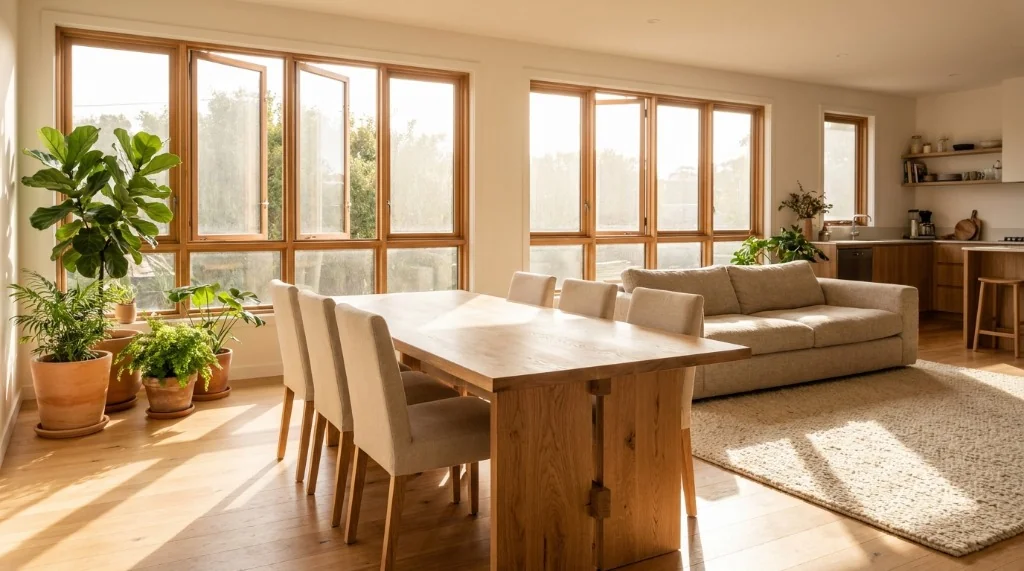
Fleece blankets made from plastic bottles shed tiny fibers with every use. These plastic bits float in room air and collect on floors as dust. Switching to organic cotton waffle weaves keeps room air clean. Undyed sheep wool has natural oils that repel dust mites and spills without chemical sprays.
Woven from thick organic cotton yarn, this waffle blanket delivers rich tactile warmth across sofa cushions. The open knit allows easy airflow while resisting snagging and fabric fuzz.
Organic Rugs: Jute, Wool, and Organic Cotton
Organic area rugs anchor room seating with tough plant fibers and non-toxic glues. Hand-braided jute rugs resist heavy foot traffic in entryways. Undyed wool rugs provide thick cushioning for living rooms. Flat-woven organic cotton runners offer easy machine washing for busy kitchen floors.
Standard rugs use synthetic plastic yarn backed with petroleum latex glue. This fake glue breaks down into yellow dust that releases fumes into room air. Natural rugs skip chemical glues entirely. Woven jute uses thick plant stalks that resist dirt. Undyed wool rugs clean easily with simple vacuuming and spot water cleaning.
Braided by hand from raw golden jute fibers, this chunky area rug brings earthy texture to living rooms. It handles heavy family foot traffic while staying completely free from synthetic latex glues.
Non-Toxic Kitchen and Dining Homeware
Non-toxic kitchen homeware replaces plastic tools and synthetic towels with pure plant goods. Organic hemp tea towels absorb water fast without lint. Solid wood cutting boards resist bacteria naturally. Lead-free artisan stoneware bowls hold family food without chemical leaching.
Kitchen microplastics often come from cheap polyester cloths and plastic cutting boards. Every knife cut on a plastic board shaves tiny plastic bits into family food. Natural maple and walnut boards have natural properties that kill bacteria within hours. Organic linen dish cloths dry three times faster than cotton. This stops towel mildew naturally.
Crafted from dense woven flax, these lint-free dish towels polish glassware without water streaks. They absorb high moisture volume and dry rapidly on kitchen hooks without sour odors.
Organic Homeware Comparison Matrix
Selecting organic homeware requires matching fiber strengths with room use and cleaning needs. Each plant fiber excels in specific rooms. Review lab test data to choose the right organic homeware for your home budget.
| Homeware Category. | Pure Fiber Source. | Third-Party Green Seal. | Starting Price. | Best Home Zone. |
|---|---|---|---|---|
| French Flax Linen Sheets. | 100% European Flax. | GOTS & OEKO-TEX Standard 100. | $160 – $280. | Master bedrooms, guest rooms. |
| Organic Cotton Percale Sheets. | Long-Staple Organic Cotton. | GOTS Organic Certified. | $90 – $160. | Kids bedrooms, summer sleep. |
| Organic Waffle Throw Blankets. | Unbleached Organic Cotton. | GOTS & Fair Trade Certified. | $60 – $110. | Living room sofas, armchairs. |
| Hand-Braided Jute Rugs. | Sun-Dried Natural Jute. | GoodWeave Certified. | $110 – $290. | Entryways, dining spaces. |
| Undyed Wool Area Rugs. | 100% Pure Virgin Wool. | OEKO-TEX & Woolmark. | $240 – $550. | Living rooms, bedroom rugs. |
| Organic Linen Kitchen Towels. | Pure Flax Linen. | GOTS Organic Certified. | $28 – $48 (Set of 4). | Kitchen counters, dining tables. |
Pairing natural textures brings depth to room spaces. Combine smooth cotton pillowcases with a heavy flax duvet cover. Place a soft wool rug over wood floors for warm foot comfort. For complete material evaluation rules, read our sustainable furniture materials report.
How to Verify Organic Textile Certifications
Verifying organic homeware requires checking third-party lab seals on care labels. Reject vague marketing claims like green or botanical. Always look for official seal logos with active license numbers before buying home textiles.
First, check the Global Organic Textile Standard seal, known as GOTS. GOTS Organic requires at least ninety-five percent certified organic fiber content. It also bans all heavy metal dyes and toxic resins across the entire processing chain.
Second, verify OEKO-TEX Standard 100 seals. This lab test screens finished fabrics for hundreds of harmful chemicals. It guarantees that the sheets touching your skin contain zero toxic residue.
Third, look for Fair Trade Certified labels on artisan textiles. Fair trade rules ensure fair living wages and safe factory conditions for weavers and farm workers. To learn more about ethical worker standards, read our guide to fair trade home decor.
How to Wash and Care for Organic Homeware
Caring for organic homeware requires gentle cleaning routines. Pure natural fibers thrive with mild soaps and low washing temperatures. Follow four simple laundry steps to protect organic bedding, throws, and rugs across years of daily use.
First, wash organic cotton and linen sheets in cool water with plant soap. Avoid harsh chlorine bleaches that weaken fiber strength. Skip fabric softeners that coat fibers in slick oils.
Second, tumble dry textiles on low heat or line dry in morning air. Remove linen sheets while slightly damp to prevent stiff wrinkles. Natural sun drying helps brighten white cotton without chemical bleaches.
Third, vacuum jute and wool rugs once a week with suction only. Turn off the beater brush to stop braided yarns from fraying. Blot water spills right away with a clean dry cotton cloth.
Fourth, condition solid wood boards and bowls with food-grade oil every two months. Rub a spoon of plant wax into the wood grain. This simple routine seals wood pores and stops timber from drying or cracking.
Common Questions About Organic Homeware?
Is organic homeware worth the higher price?
Yes. Organic homeware lasts three times longer than cheap polyester goods. Pure flax linen and organic cotton get softer with age instead of thinning or pilling, saving you money over time.
What is the difference between GOTS and OEKO-TEX?
GOTS verifies organic farming methods from harvest to finished fabric. OEKO-TEX Standard 100 tests the final product to ensure it contains zero toxic chemicals.
Do organic linen sheets feel rough when new?
Raw flax linen has a crisp texture at first. Most organic brands stone-wash sheets with pumice stones so they arrive soft. With every weekly wash, linen fibers relax and feel smoother against your skin.
Can you wash natural jute area rugs?
No. Never soak jute rugs in water or steam clean them. Water makes natural plant fibers swell and discolor. Vacuum rugs regularly and spot-clean dirt with a damp cloth and mild soap.
How do organic textiles improve bedroom air quality?
Organic textiles skip toxic anti-wrinkle sprays and heavy metal azo dyes. They do not shed plastic microfibers, keeping your bedroom air fresh and clean.